The Hidden War on Your Metabolism: Why Harvard's 'Worst Foods' List Is A Smoke Screen
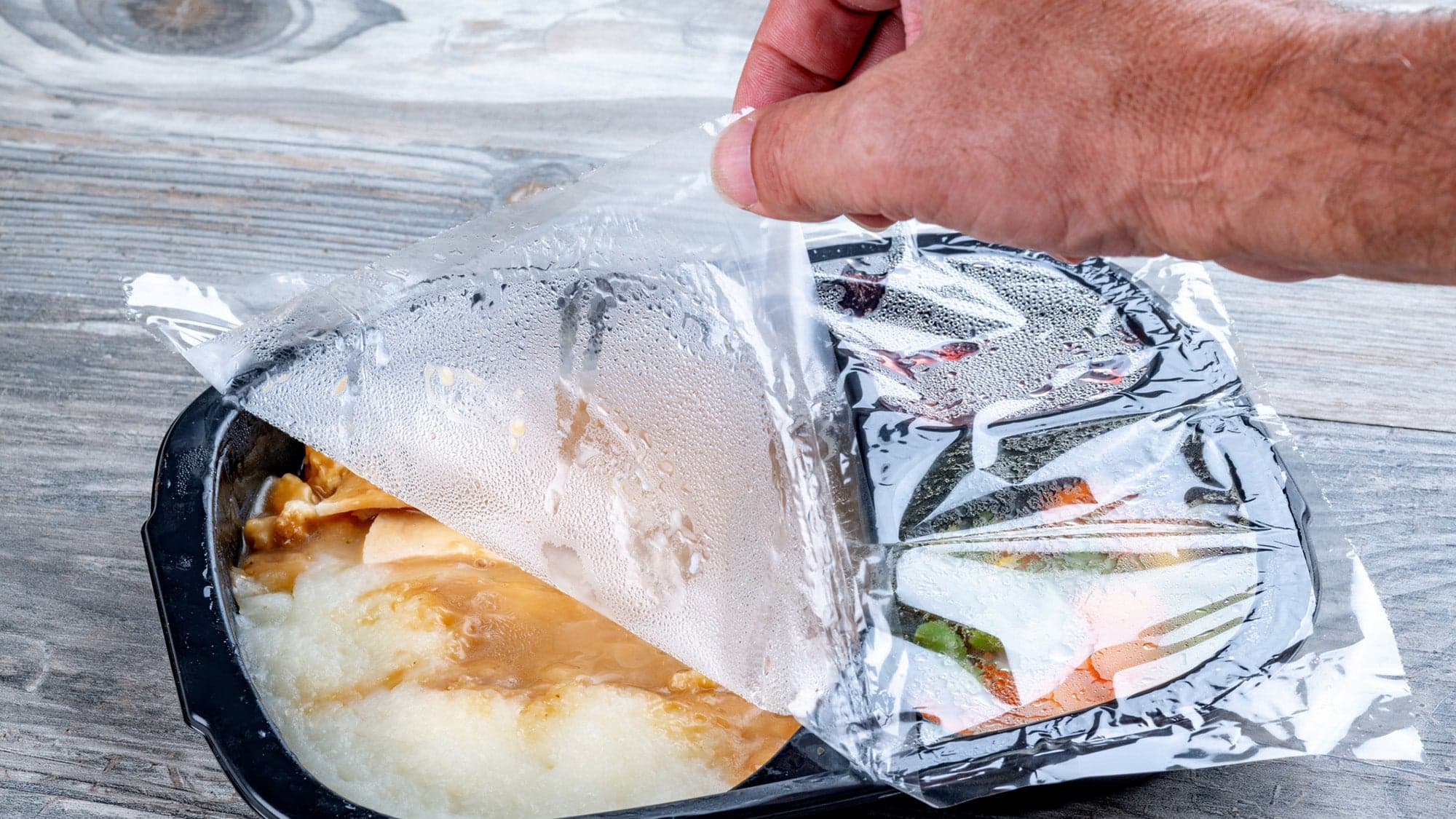
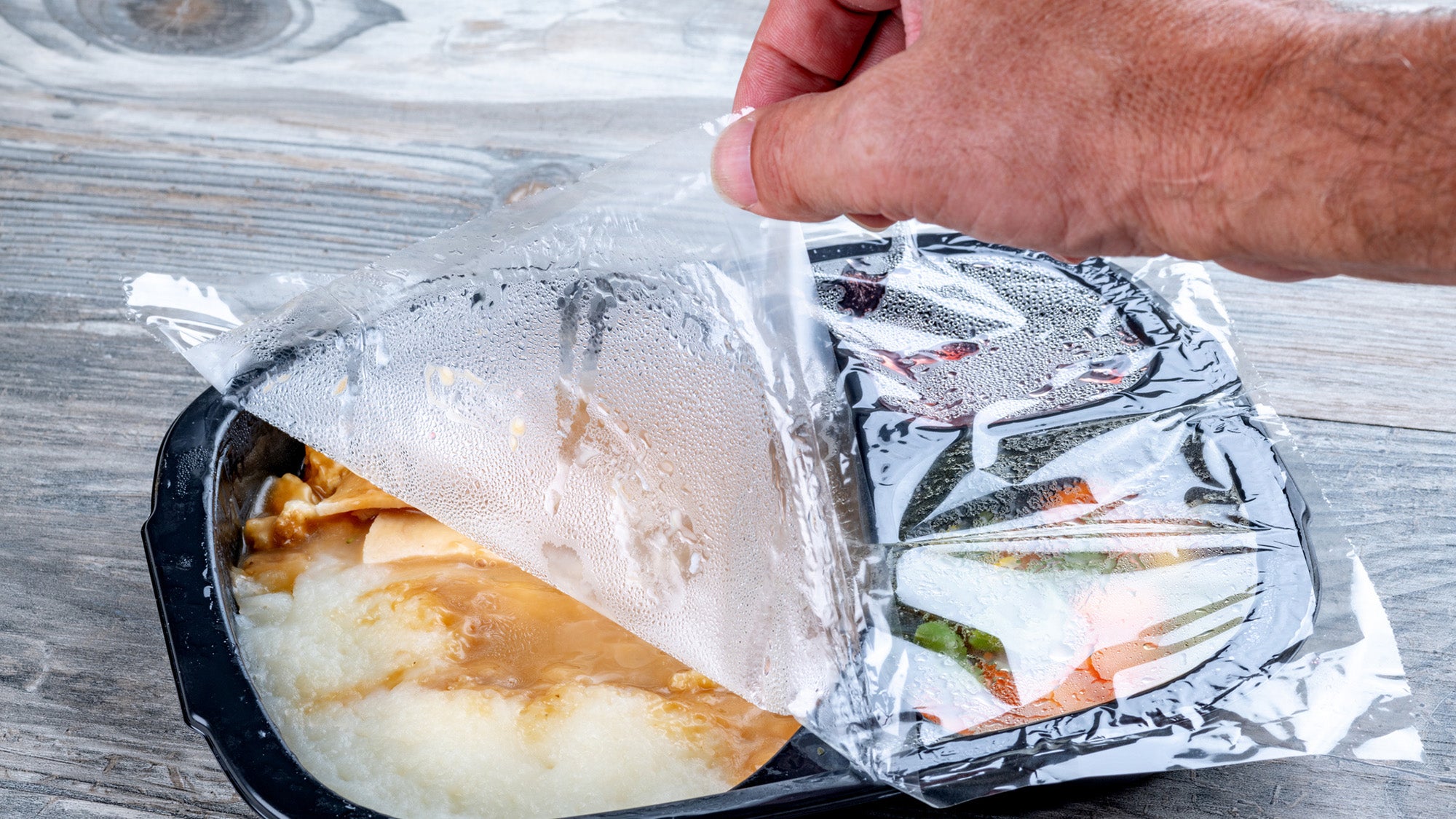
Harvard named the worst ultra-processed foods affecting metabolic health. But the real scandal is who profits from this dietary disaster.
Key Takeaways
- •The focus on specific UPFs distracts from the systemic economic incentives favoring cheap, subsidized commodity ingredients.
- •Poor metabolic health is as much an issue of economic coercion (affordability/accessibility) as it is personal choice.
- •Future food manufacturers will use 'clean label' terminology to mask chemically complex, inflammatory ingredients.
- •Real change requires policy shifts in agricultural subsidies, not just consumer avoidance campaigns.
The Great Metabolic Deception: Why We're Still Eating Poison
We have reached peak nutritional paranoia. Another week, another high-profile institution—this time the esteemed Harvard T.H. Chan School of Public Health—releases a list naming the worst ultra-processed foods that are sabotaging our metabolic health. The headlines scream about microwave dinners and sugary cereals. But let's be clear: this isn't news; it's noise. The real story isn't *which* packaged item is currently public enemy number one; it’s the systemic failure that makes these engineered commodities the cheapest, most accessible calories on the planet. This ongoing saga of dietary guidelines is a distraction from the true architects of the obesity and diabetes epidemic.
The Unspoken Truth: Profit Over Physiology
Who wins when Harvard tells us to avoid highly refined corn syrup and industrial seed oils? The answer is depressingly simple: the corporations that can afford to reformulate their products overnight. They pivot slightly, swap one cheap additive for another slightly less demonized one, and continue selling hyper-palatable, nutrient-void products at scale. The losers are the consumers, who are perpetually chasing the next 'clean label' fad while navigating a food environment designed for shelf stability, not human vitality.
The core analysis missing from these reports is the economic reality. Ultra-processed foods (UPFs) are the logical endpoint of an agricultural subsidy system that prioritizes commodity crops like soy and corn. These ingredients are impossibly cheap when processed, creating a massive, unavoidable incentive structure. Criticizing the end product without dismantling the subsidized supply chain is like complaining about pollution while ignoring the smokestack.
The Deep Dive: A Failure of Infrastructure, Not Willpower
For decades, the narrative has been one of individual failure. 'Eat less, move more.' This places the burden entirely on the consumer's willpower. But when fresh produce costs three times more per calorie than a bag of chips, and when time-poor families must choose between a 15-minute microwave meal and hours of cooking, the choice becomes economic coercion. The rise of poor metabolic health is not a failure of personal discipline; it's a failure of public policy that has allowed Big Food to externalize the true cost of their products onto the healthcare system. If you want to fix metabolic health, you must address accessibility and affordability of whole foods, not just demonize the convenient ones.
What Happens Next? The 'Clean Label' Trap
My prediction is that we will see an acceleration toward 'stealth UPFs.' Manufacturers will become masters of obfuscation, leveraging complex ingredient lists that technically avoid the 'worst' classifications but retain the same inflammatory properties. Expect a massive marketing push around 'natural flavors' and 'plant-based' alternatives that are just as chemically complex. Furthermore, the regulatory response will be slow and toothless. We will continue to receive these periodic 'shaming' lists from academic institutions while the underlying economic drivers—subsidies, lobbying power, and global distribution networks—remain untouched. The only way out is radical transparency in food sourcing and a complete overhaul of agricultural support.
The time for politely pointing fingers at packaged snacks is over. We need to dissect the system that makes them inevitable.
Frequently Asked Questions
What is the main difference between processed and ultra-processed foods?
Processed foods generally involve simple preservation (like canning or freezing), while ultra-processed foods (UPFs) are industrial formulations containing additives not typically used in home cooking, such as flavor enhancers, emulsifiers, and artificial colors, designed for hyper-palatability and long shelf life.
Are all quick-cook meals considered ultra-processed?
Not necessarily. A frozen vegetable mix is processed, but a microwave TV dinner containing numerous additives, refined flours, and industrial oils falls squarely into the ultra-processed category, which is linked to poorer metabolic outcomes according to research from institutions like Tufts University.
Why are ultra-processed foods so cheap?
They are cheap because their core ingredients (like corn, soy, and wheat) are heavily subsidized by government agricultural policies, making them artificially inexpensive compared to the true cost of growing and processing whole foods.
What are the key markers of poor metabolic health?
Key markers include insulin resistance, high blood sugar levels (hyperglycemia), high triglycerides, low HDL (good) cholesterol, and abdominal obesity, which collectively increase the risk for Type 2 diabetes and cardiovascular disease.
Related News

The Silent Sickness: Why Lafayette's Restaurant Health Scores Are a Symptom of Deeper Labor Rot
Lafayette Parish health inspections reveal alarming lapses. This isn't just about bad food; it’s a crisis of systemic neglect in local food safety.

The Lie of 'Simple Steps': Who Really Profits When You Fix Your Own Heart Health?
Stop believing 'simple steps' are enough. We expose the hidden industry capitalizing on your personal heart health failures.

Australia's Aged Care Overhaul: The Hidden Hand Pushing Private Profit Over Patient Care
Unpacking the true cost of Australia's sweeping aged care reforms and exposing who really benefits from this massive public expenditure.

DailyWorld Editorial
AI-Assisted, Human-Reviewed
Reviewed By
DailyWorld Editorial