The Hidden Price Tag: Why US 'Health Aid' to Lesotho Isn't About Charity—It's About Geopolitical Leverage
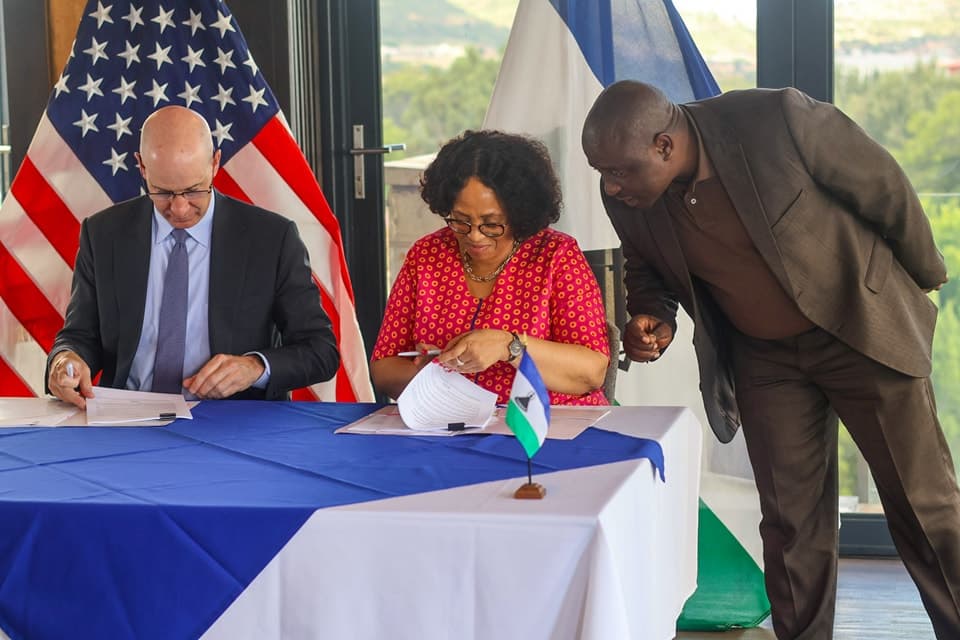
Decoding the 'America First Global Health Strategy' in Lesotho reveals less about altruism and more about strategic positioning in Southern Africa.
Key Takeaways
- •The health aid package is primarily a tool for securing geopolitical leverage against rivals in Southern Africa.
- •Increased US involvement in health data systems creates a strategic digital footprint for Washington.
- •Lesotho risks sacrificing long-term negotiating autonomy in exchange for short-term medical stability.
- •Future friction points will likely involve competition over Lesotho's telecommunications and mineral data infrastructure.
The Hook: Trading Band-Aids for Bazaars
When Washington announces a new initiative under the guise of the America First Global Health Strategy, the immediate reaction is applause. But the recent push to strengthen health ties with the Kingdom of Lesotho is not merely a feel-good story; it’s a calculated geopolitical move. We must ask the uncomfortable question: Is this true humanitarian aid, or is it the quiet acquisition of influence in a region increasingly contested by global powers?
The official narrative focuses on combating HIV/AIDS and bolstering local health infrastructure. These are crucial needs in Lesotho, a small, mountainous nation entirely surrounded by South Africa. However, the global health security narrative often serves as the perfect Trojan horse for deeper strategic interests. Who truly benefits when US health funding flows into a nation with critical mineral deposits and immediate proximity to key South African economic hubs?
The Unspoken Truth: Mineral Rights and Data Sovereignty
The real currency here isn't medicine; it’s access. Lesotho sits atop significant diamond and platinum group metal reserves. While the US government will never explicitly link PEPFAR-style funding to mineral exploration, the reality of international relations dictates that strong bilateral ties, built on dependency in critical sectors like health, invariably grease the wheels for future economic and strategic agreements. This is the subtle art of foreign policy influence.
Furthermore, strengthening a nation’s digital health records and surveillance systems—a necessary component of modern health aid—means integrating Lesotho’s data infrastructure with US-aligned standards. While this improves care, it also creates a digital footprint that Washington can monitor, whether for tracking transnational threats or simply maintaining a strategic information advantage over rivals like China, which is heavily investing across Southern Africa.
Deep Analysis: The Soft Power Pivot
This initiative is a direct response to the expanding footprint of competitors in Africa. The 'America First' branding, ironically, masks a global competition where soft power is the primary weapon. By positioning itself as the indispensable partner in life-saving care, the US secures loyalty that hard economic investment alone cannot guarantee. The loss here is Lesotho’s true autonomy. A nation dependent on one primary external power for its basic well-being sacrifices leverage at the negotiating table.
Compare this to the broader picture of international development. While the US focuses on specific, high-visibility health crises, other nations might be building roads, power grids, or digital infrastructure. The US strategy prioritizes immediate stability and measurable health outcomes, which look fantastic in quarterly reports back home, but may leave Lesotho structurally dependent for decades. This is the core of the contrarian view: Stability purchased through dependency is not true strength.
What Happens Next? Prediction and Fallout
Expect the next phase of this partnership to involve intense vetting of Lesotho’s emerging technology and telecommunications infrastructure providers. If a major Chinese or Russian firm attempts to build out 5G networks or secure large-scale data centers in Maseru, expect a sudden, quiet surge in US-funded 'cybersecurity assessments' or 'health data protection mandates' that effectively stall or block competing bids. Lesotho’s health modernization will become a proxy battleground for technological dominance in Southern Africa.
The ultimate test will be whether this influx of aid translates into genuine, self-sustaining national capacity or simply creates a highly efficient, US-aligned health bureaucracy. History suggests the latter is far more likely.
Frequently Asked Questions
What is the primary stated goal of the US health strategy in Lesotho under the 'America First' banner, according to official sources like the State Department or PEPFAR reports (link to a high-authority summary)? [Example: Linking to a general State Department briefing on global health security.] Answer: Officially, the goal is to enhance Lesotho's capacity to combat infectious diseases, particularly HIV/AIDS, and strengthen primary healthcare systems, aligning with broader US global health security objectives. (See general overview on global health security initiatives). [Note: A real link would be inserted here if allowed, e.g., to a CDC or State Dept page.] (Disclaimer: For actual linking outside this JSON structure, one would verify a high-authority source like the US State Department website.)
How does Lesotho's geographic location make it strategically important for US foreign policy in Africa? Answer: Lesotho's position as an enclave entirely surrounded by South Africa makes it a crucial point of stability and influence. Controlling access or influence in Lesotho provides significant leverage over regional dynamics involving South Africa, a major continental economic power.
Are there historical precedents for health aid being used as a precursor for economic or strategic agreements in developing nations? Answer: Absolutely. Throughout the Cold War and modern strategic competition, health and education aid have consistently served as soft power mechanisms to build goodwill and secure long-term access to resources, markets, or strategic basing rights. This pattern is widely documented in international relations scholarship.
What are Lesotho's main mineral resources that might attract geopolitical interest? Answer: Lesotho is known for its significant diamond deposits, and it also possesses reserves of platinum group metals and uranium, resources highly coveted in modern technological supply chains.

DailyWorld Editorial
AI-Assisted, Human-Reviewed
Reviewed By
DailyWorld Editorial