The Hidden Cost of Trump's AI Freeze: Why Tech Giants Are Cheering State-Level Health Innovation Stagnation
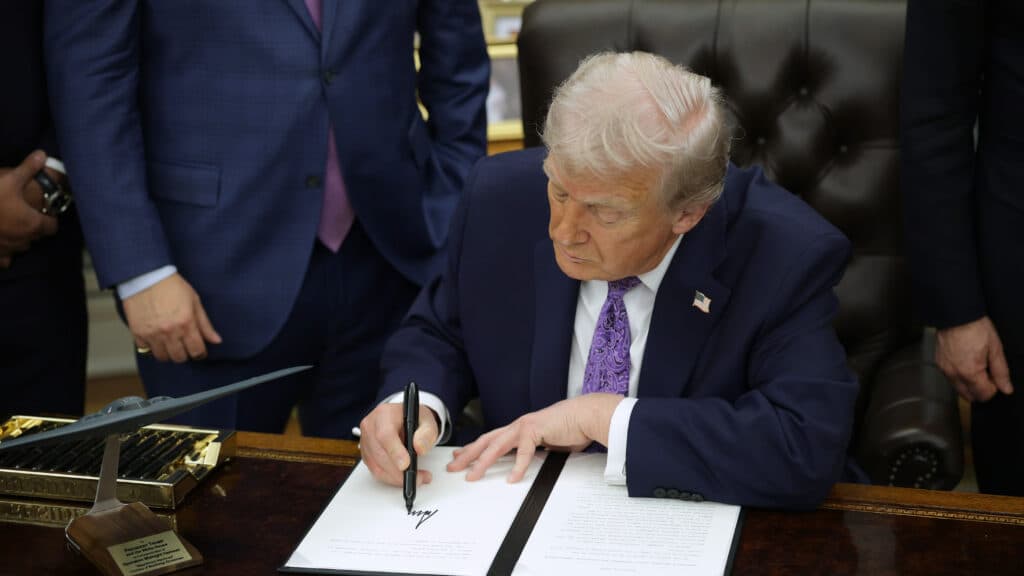
Trump's move against state AI laws isn't about patient safety; it's a regulatory land grab that benefits Big Tech and stalls crucial health AI adoption.
Key Takeaways
- •The order benefits large tech incumbents by creating regulatory uncertainty that small startups cannot navigate.
- •State-level AI laws were crucial for rapid accountability; their suspension favors slow federal rulemaking.
- •The real danger is stalled innovation, leaving patients reliant on outdated diagnostic methods.
- •Expect venture capital to slow in early-stage health AI as investors await definitive federal guidance.
The Hook: Who Really Benefits When Washington Halts Progress?
The recent executive order, purportedly aimed at standardizing Artificial Intelligence regulation, is being framed as a necessary brake on unchecked innovation in sensitive sectors like healthcare. But look closer. When the federal government steps in to preempt state-level action on health AI adoption, the immediate losers are nimble startups and state regulators trying to protect citizens. The biggest winners? Established tech behemoths who thrive on regulatory inertia and complexity. This isn't about protecting patients; it's about locking in market dominance.
The core issue, as highlighted by reports on the potential slowdown, is the creation of a regulatory vacuum. States like California and New York were moving to set guardrails for algorithmic bias and diagnostic accuracy in new medical AI tools. Trump’s order effectively slams the brakes, declaring federal oversight—or the *promise* of future federal oversight—as the sole legitimate path. This immediately benefits incumbents who have the lobbying power and legal teams to navigate Washington, while crushing the smaller innovators who might have thrived under varied, localized standards.
The Meat: Why State-Level Guardrails Were Essential
The unspoken truth here is that federal rulemaking moves at the speed of molasses. The FDA, while essential, cannot iterate fast enough to keep pace with machine learning advancements. States, however, are laboratories of democracy. When a state mandates transparency in how an algorithm screens patients for high-risk conditions, it forces immediate accountability. If that system exhibits bias against a specific demographic, the state has a clear mechanism for redress.
By imposing a blanket pause, the administration is effectively centralizing decision-making power in an agency ill-equipped for this specific task. We are trading rapid, targeted accountability for slow, generalized bureaucracy. The result will be delayed deployment of potentially life-saving diagnostic algorithms and increased risk exposure for underserved populations who were the focus of many state-led initiatives. The true threat to patient safety isn't unregulated AI; it’s *stalled* AI, leaving patients dependent on older, less accurate standards of care.
The Deep Dive: The Lobbying Power Play
This move is a masterstroke for the established players in the digital health space. Large tech companies prefer one massive, predictable regulatory framework—even if it's strict—over 50 different state laws that require compliance fragmentation. They can influence the single federal rulemaking process far more effectively than they can lobby dozens of statehouses. This executive action guarantees that any substantial regulation will be shaped by those already holding the biggest market share, effectively creating a moat around their existing data monopolies. This is regulatory capture disguised as federal leadership. For more on the complexities of regulatory capture, see analysis from the Brookings Institution.
What Happens Next? The Prediction
Prediction: We will see a noticeable cooling period—a 'regulatory chill'—in venture capital flowing into early-stage health AI startups over the next 18 months. Investors will pivot towards areas with clearer, less politically fraught regulatory landscapes. Meanwhile, the federal agencies tasked with creating the replacement framework will inevitably over-index on compliance requirements that favor incumbents (e.g., demanding massive, proprietary datasets for validation). This will not only slow down health AI adoption but will also inadvertently push the most cutting-edge research offshore to jurisdictions with lighter regulatory burdens. The U.S. risks forfeiting its lead in this critical technology sector.
For context on the history of technological regulation, consider the antitrust battles discussed by the U.S. Department of Justice.
Gallery

Frequently Asked Questions
What is the primary argument against Trump's order halting state AI laws?
Critics argue that stopping state action creates a regulatory vacuum, slowing the adoption of beneficial health AI tools and benefiting large corporations that prefer complex, centralized compliance.
How does this affect patient safety in the short term?
In the short term, it could leave patients vulnerable by delaying the deployment of new, potentially more accurate AI diagnostics and transparency mandates that states were attempting to implement.
Which companies benefit most from a centralized federal AI regulation approach?
Large technology companies with established lobbying power and the resources to comply with broad, slow-moving federal standards benefit most, as it acts as a barrier to entry for smaller competitors.
What is the predicted long-term impact on US AI leadership?
The prediction is a 'regulatory chill' leading to reduced VC investment in US health AI startups, potentially pushing cutting-edge research to countries with clearer or less restrictive regulatory environments.
Related News

The Cover-Up: How the Post Office IT Disaster Killed Trust (And Enriched Big Tech)
The UK Post Office scandal wasn't about faulty software; it was about systemic failure and the hidden cost of outsourcing **technology** to unaccountable giants. We dissect the rot.
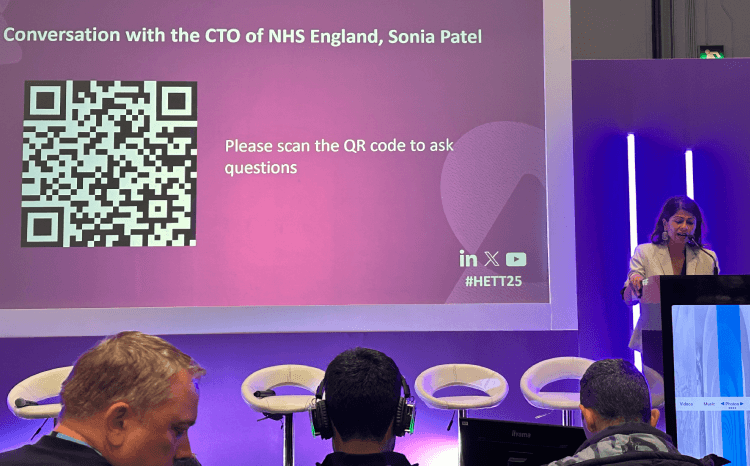
The Quiet Exit: Why Sonia Patel's NHS CTO Departure Signals a Digital System Collapse
Sonia Patel's exit as NHS England CTO isn't a routine transition; it's a massive red flag for the future of UK digital health.
New Zealand's Health Tech Meltdown: The Secret Vendor Profiting From Chaos
Another critical Health NZ tech outage exposes deep systemic rot. Who is really benefiting from this IT insecurity crisis?
