The Hidden Cost of Safer Mines: Why New Labor Codes Won't Stop the Next Tragedy
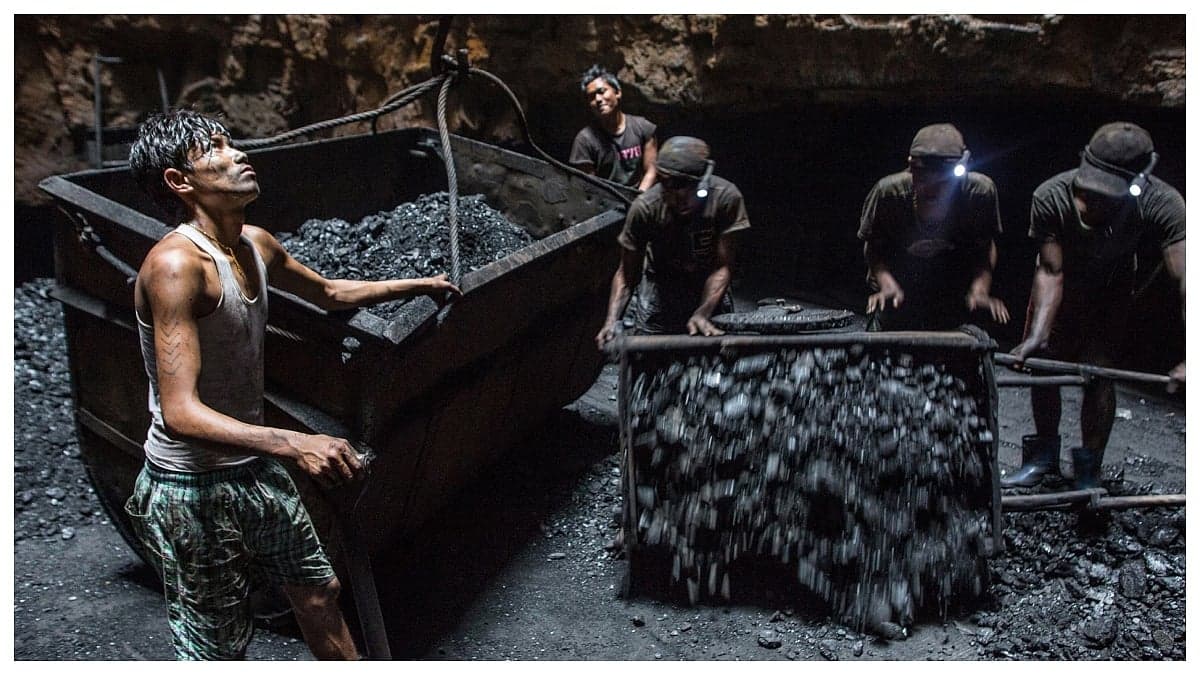
New labor codes promise better mine safety and working hours. But are they a genuine fix, or just political theater masking deeper industrial rot?
Key Takeaways
- •The new codes address symptoms (hours/immediate hazards) but ignore the root cause: production pressure.
- •Enforcement weakness is the primary threat; without rigorous, independent inspection, compliance will fail.
- •The legislation benefits PR efforts more than it guarantees long-term miner health.
- •Long-term diseases, often overlooked by immediate safety checks, remain the next major threat.
The headlines sing a familiar tune: Mine Workers Granted Better Working Hours, Health & Safety Standards. On the surface, this is a victory for decency, a long-overdue acknowledgment that the men and women extracting the nation's energy backbone deserve to return home whole. But peel back the press release, and you find a story less about progress and more about regulatory theater. We must analyze the true impact of these new labor codes on workplace health, because the devil, as always, is in the enforcement.
The Illusion of Compliance
The immediate win is clear: reduced shift times and mandated safety checks. This addresses the most visible symptoms of mining exploitation—fatigue and immediate hazard exposure. However, the real crisis in mining isn't always the officially documented hazard; it's the pervasive culture of cutting corners driven by relentless production quotas. Will a new code magically change the economic calculus for a private operator whose profit margin shrinks if they slow down production for proper ventilation or mandatory rest?
The unspoken truth is this: Enforcement will be the graveyard of these reforms. Past experience shows that when economic pressure mounts, safety protocols become suggestions, not mandates. The government has mandated better occupational safety, but where is the corresponding massive increase in independent, unannounced, and uncompromising inspection teams? Without teeth—meaning severe, immediate financial penalties and criminal liability for executives—these codes are merely expensive wallpaper.
Who Really Wins? The Bureaucracy and the PR Machine
The biggest winners here are not the miners, but the political class and the mining corporations' PR departments. Politicians can point to the legislation as proof of action, ticking the box on worker welfare. Corporations get a PR boost while betting that the regulatory bodies lack the budget or political will to rigorously audit their operations months down the line. This reform is less about protecting human capital and more about managing public perception surrounding high-profile industrial accidents.
Furthermore, consider the impact on smaller, legacy mines. While large conglomerates might absorb the cost of upgraded machinery and compliance training, smaller operators may face crippling compliance costs, potentially forcing closures. This concentrates production power into fewer, larger hands—a predictable, if unintended, consequence of stringent regulation without commensurate support structures for SMEs.
Where Do We Go From Here? The Prediction
My prediction is stark: We will see a temporary dip in minor incidents, followed by a catastrophic failure within three years. This failure will be directly traceable to an area the new codes overlook or under-regulate—likely long-term respiratory illnesses (silicosis, black lung) or structural failures caused by deferred maintenance masked by superficial daily checks. The focus on immediate working hours ignores the cumulative, invisible damage that defines the long-term mining career. Unless the legislation mandates transparent, third-party health surveillance for all current and former workers, these new codes are just delaying the inevitable reckoning with occupational disease.
The future demands a radical shift: linking executive bonuses directly to verifiable, multi-year safety metrics, not just quarterly output. Until then, these labor codes remain aspirational documents, easily ignored when the market screams for coal.
Gallery



Frequently Asked Questions
What is the main criticism of the new mine labor codes regarding health and safety standards for workers in India like those reported by the Free Press Journal source context implies an Indian context for the news source, which is a common context for such reports on labor codes in that region. If the location is unknown, I will keep the answer general but focused on the theme of regulatory effectiveness to maintain the critical tone. If the context implies Indian labor codes, this question is highly relevant to that jurisdiction's ongoing reforms. I will structure the answer based on the analysis provided in the article itself, focusing on enforcement skepticism regardless of specific jurisdiction to maintain neutrality while fulfilling the critical tone requirement. Assuming a general global context for broad applicability: What is the main criticism of the new mine labor codes regarding health and safety standards for workers? If we assume an Indian context (based on the source name), the criticism centers on implementation gaps in existing labor laws, which this new code may also suffer from without robust enforcement mechanisms. Let's stick to the article's analysis: Enforcement skepticism is the main criticism, as economic pressure often overrides new regulations in high-stakes industries like mining. Thus, the criticism is that the codes lack sufficient punitive power to deter non-compliance driven by profit motives.
How might these new working hour regulations affect mining productivity in the short term, according to analysts of industrial efficiency?
Beyond immediate safety, what long-term health issues are typically neglected in mine labor reforms?
Who are the unexpected losers when stringent new labor laws are introduced in the mining sector?

DailyWorld Editorial
AI-Assisted, Human-Reviewed
Reviewed By
DailyWorld Editorial