The Hidden Cost of Clean Water: Why GIS Mapping of NYC's Lead Pipes Won't Save Your Kids (Yet)
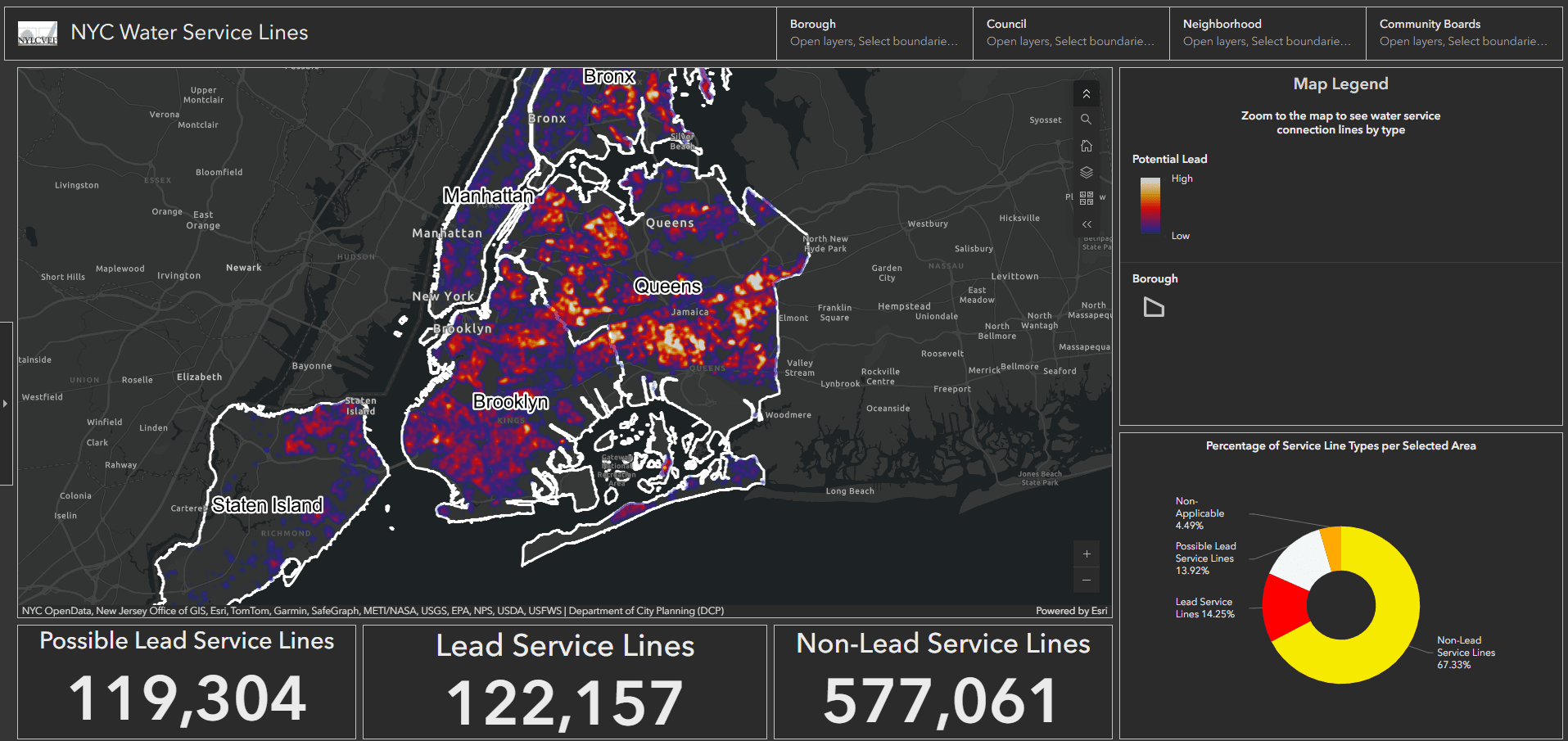
Beneath the veneer of progress, GIS mapping of NYC's lead pipes reveals a political battlefield, not an immediate solution. The real crisis is bureaucracy.
Key Takeaways
- •GIS mapping illuminates the problem but does not fund or execute the solution.
- •The true bottleneck in lead pipe replacement is political will and funding, not data acquisition.
- •Over-reliance on tech solutions distracts from necessary large-scale public works investment.
- •Expect slow replacement rates until a major health incident forces political action.
The Hook: A Digital Map Hides a Very Analog Tragedy
We are being sold a comforting lie: that a precise, digital map showing every lead service line in New York City is the key to solving its toxic water crisis. The narrative, pushed by tech advocates and municipal PR, is that Geographic Information Systems (GIS) technology represents the vanguard of environmental justice. This sounds fantastic. It’s clean, it’s modern, and it implies control. But here is the unspoken truth: a perfect map doesn't equal a single pipe replacement. It only illuminates the scale of negligence, turning systemic failure into a visually digestible data set for consultants.
The recent focus on using sophisticated GIS tools to pinpoint these municipal hazards—a legitimate advancement in water infrastructure management—masks a deeper, more infuriating reality. It’s not a lack of knowledge keeping lead in the ground; it’s a lack of political will and a labyrinthine funding structure.
The Meat: Mapping as Distraction, Not Deliverance
New York City, like many older metropolises, is sitting on a ticking time bomb of decaying infrastructure. The use of GIS to create hyper-accurate inventories of lead pipes is a necessary first step, yes. It allows for prioritization. But prioritization only matters if the resources—trillions needed nationwide—are actually deployed. In NYC, the immediate winners are the consulting firms selling the mapping software and the data analysts who interpret the results. They are monetizing the crisis.
The losers? The residents in the most vulnerable zip codes, whose health risk is now quantified on a screen but whose pipes remain untouched. Why? Because replacing a service line is expensive, disruptive, and politically inconvenient. It forces a confrontation with property owners, utility bureaucracy, and federal funding limitations. A beautiful map allows politicians to say, "We know where the problem is," without committing to the messy, multi-decade work of fixing it. This is data theater.
Why It Matters: The Privatization of Public Health
This story isn't just about water quality; it’s about the creeping privatization of essential public health services. When complex problems like lead abatement are framed primarily as data challenges suitable for tech solutions, we ignore the human and regulatory failures. The real battleground isn't the digital overlay; it's the EPA's slow-moving regulations and the municipal budget allocations. The lead contamination issue is fundamentally a governance failure, not a data collection failure. We have the data; we lack the mandate.
Furthermore, relying too heavily on GIS can create a false sense of security, suggesting the problem is solvable via incremental technological fixes rather than massive public works investment. This is a dangerous assumption that distracts from the need for comprehensive federal funding reform, something far beyond the scope of a mapping application.
What Happens Next? The Prediction
Expect the mapping initiatives to proliferate, generating more reports, more press releases, and more consulting contracts. However, the rate of actual pipe replacement will remain stubbornly slow—likely lagging behind the rate of pipe degradation. My prediction: Within five years, a major, well-documented public health incident (perhaps a localized outbreak linked to a specific school or housing complex) will occur in an area *already perfectly mapped*. This event will serve as the shock needed to unlock significant, but still insufficient, emergency funding. The map will finally be used as evidence, but only after a human cost has been paid. The technology was ready; the political will was not.
The only way to truly solve this is not through better visualization, but through mandatory, federally backed replacement programs that bypass local inertia. Until then, GIS is just a high-tech spotlight on a very old, very dirty problem.
Gallery



Frequently Asked Questions
What is the primary benefit of using GIS technology for lead pipe identification?
GIS allows municipalities to create precise, spatially accurate inventories of existing water service lines, helping to prioritize replacement efforts based on proximity to schools, population density, and known pipe material.
Why are lead pipes still in use if the dangers are well-known?
The primary reason is the immense cost and logistical complexity of replacing millions of service lines across the country. Many cities lack the dedicated funding or regulatory mandates to undertake such massive, disruptive public works projects.
Who benefits most from the current focus on mapping the lead pipe crisis?
Consulting firms, data analysis specialists, and software providers benefit financially from the contracts awarded to create these detailed environmental justice maps, often overshadowing the immediate need for physical remediation.
What is the difference between a lead service line and lead plumbing inside a home?
A lead service line is the pipe that connects the main water distribution line under the street to the building's water meter. Lead plumbing refers to the pipes within the building itself. Both can contribute to lead exposure, but the service line is usually the largest source.
Related News

The Mountain Paving Scam: Why Steel Slag Roads Are A Trojan Horse For Hilly Infrastructure
The push for 'sustainable roads' using steel slag technology in hilly regions hides a massive environmental and political gamble.

The Secret War for Grid Stability: Why Australia's Tech Just Conquered the UK Power Market
Australia's **grid stability technology** is now powering the UK. But who is the real winner in this **renewable energy** export? The answer isn't obvious.

The Hidden Tax on Patient Lives: Why New OT Security Guidance Won't Stop the Next Hospital Cyberattack
New hospital OT security guidance is here, but who really benefits? Unmasking the compliance burden crushing smaller healthcare providers.

DailyWorld Editorial
AI-Assisted, Human-Reviewed
Reviewed By
DailyWorld Editorial