The Hidden Cost of Brake-By-Wire: Why Your Next Car Will Be a Rolling Liability
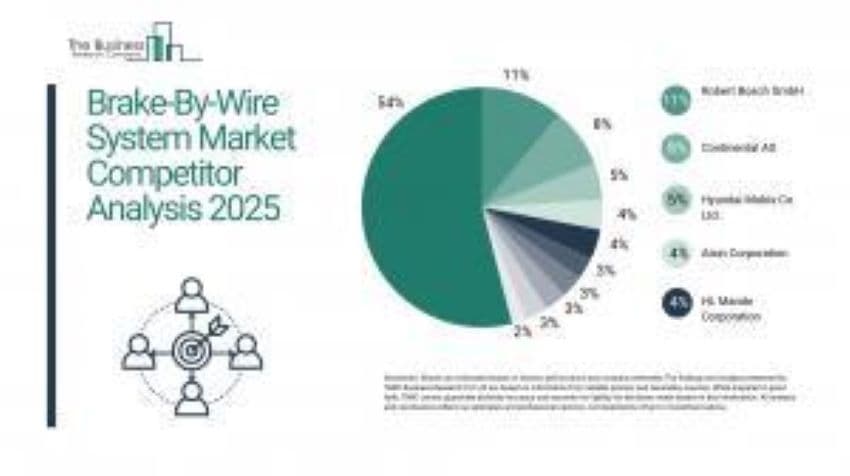
Brake-by-wire promises speed, but the real story is the massive centralization of control. Is this automotive revolution worth the risk?
Key Takeaways
- •Brake-By-Wire centralizes critical safety control into software, increasing systemic vulnerability to bugs or hacks.
- •The technology's primary driver is enabling full Level 4/5 autonomy, not immediate consumer benefit.
- •BBW adoption will likely lead to increased maintenance costs and reduced repair options for independent garages.
- •Expect the first major, multi-brand recall due to software failure within five years of mass adoption.
The automotive industry is currently enamored with a concept that sounds like pure science fiction: Brake-By-Wire (BBW). Touted as the next great leap in vehicle dynamics, this technology replaces traditional hydraulic linkages with electronic signals. The promise, frequently echoed in articles about automotive technology, is instantaneous response, enhanced safety via integrated ADAS, and the necessary foundation for full autonomy. But beneath the glossy veneer of faster reaction times lies a far more sinister reality for the average consumer and the future of personal transport.
This shift isn't merely an upgrade; it's a fundamental re-engineering of trust. When you press the pedal, you are currently commanding a physical system. With BBW, you are sending a request to a computer, which then decides how much braking force to apply. This subtle change is critical when discussing high-stakes vehicle control systems.
The Unspoken Truth: Centralized Vulnerability
Who truly wins here? The Tier 1 suppliers and the software giants. They gain unprecedented control over the most critical safety function in the vehicle. While proponents argue that redundancy layers negate failure, every added layer of digital complexity introduces a new potential point of failure—a software bug, a malicious hack, or a simple electromagnetic interference event. We are trading proven, physically redundant hydraulics for complex, centralized software architecture.
The real loser? The driver who values mechanical autonomy. Imagine a future where a mandatory over-the-air update subtly alters your vehicle's braking profile—perhaps optimizing for fuel economy over emergency stopping distance, or worse, complying with a remote command. This is the price of adopting ubiquitous automotive technology without demanding open-source verification of safety-critical code.
Deep Dive: The Autonomy Trojan Horse
BBW is not being implemented primarily for the joy of a slightly firmer pedal feel today. It is the non-negotiable prerequisite for Level 4 and Level 5 autonomy. Autonomous vehicles require perfect, instantaneous communication between steering, acceleration, and braking modules. Hydraulics are too slow and too analog to integrate seamlessly into these complex decision trees. Therefore, the push for BBW is less about improving today's driving experience and more about forcing the infrastructure required for the robotaxi future.
Consider the economic implications. Once the linkage is purely electronic, maintenance shifts from local mechanics dealing with fluid and calipers to specialized dealerships authorized to diagnose proprietary software faults. This creates a lucrative, closed-loop service ecosystem that further marginalizes independent repair shops, increasing the total cost of vehicle ownership significantly.
What Happens Next? The Great Digital Recall
My prediction is that within five years of widespread adoption (post-2028), we will witness the first major, widespread, mandatory recall stemming not from a physical component failure, but from a critical software vulnerability affecting braking performance across multiple brands running similar underlying operating systems. This will not be a simple patch; it will be a geopolitical incident, forcing regulators—already struggling to keep pace—to mandate entirely new standards for code transparency and hardware isolation. This 'Digital Recall' will shatter consumer confidence in integrated vehicle electronics far more profoundly than any previous mechanical recall.
The shift to BBW is a high-stakes gamble on perfect software. The history of computing suggests perfection is an illusion. We must demand rigorous third-party auditing of these safety layers now, before the electronic leash tightens completely. For more on the history of automotive innovation, see the analysis from institutions like the Society of Automotive Engineers (SAE).
Frequently Asked Questions
What is the main difference between traditional brakes and Brake-By-Wire?
Traditional systems use hydraulic fluid pressed through lines to actuate the calipers. Brake-By-Wire replaces this physical connection with electronic sensors and actuators, sending digital signals instead of fluid pressure.
Is Brake-By-Wire inherently less safe than hydraulic brakes?
It is not inherently less safe, but it trades mechanical redundancy for digital complexity. While modern systems have multiple failsafes, any centralized digital system introduces a potential single point of failure through software corruption or cyberattack that hydraulics do not possess.
How does Brake-By-Wire assist in autonomous driving?
BBW allows the car's central computer to apply precise, instantaneous braking force without human input latency, which is essential for the complex, real-time calculations required by Level 4 and Level 5 self-driving systems.
Will Brake-By-Wire save fuel?
While minor efficiency gains are possible through optimized application, the primary focus of BBW is on dynamic control and safety integration, not significant fuel economy improvements.
Related News
The Quiet Coup: Why the ROBOTERA-SF Technology Deal Signals the End of Traditional Auto Software
The ROBOTERA and SF Technology partnership isn't just about logistics; it's a strategic land grab in the autonomous vehicle software space, revealing hidden industry shifts.

The Hidden Price of Mahindra's 'SmartCore Pro': Why Visteon Just Won India's Auto War
Mahindra's new SmartCore Pro display is flashy, but the real story is Visteon’s quiet dominance over India's crucial automotive cockpit technology.

DailyWorld Editorial
AI-Assisted, Human-Reviewed
Reviewed By
DailyWorld Editorial