The Great Automation Lie: Who Really Profits When Factories Go 'Smart'?
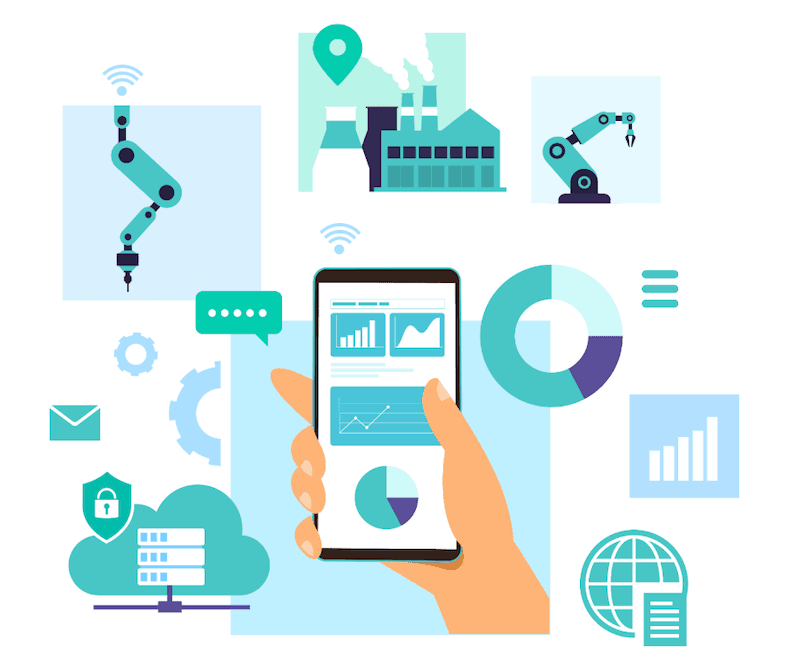
Forget the efficiency hype. The real story behind smart manufacturing technologies isn't about robots—it's about data centralization and the quiet death of the mid-level manager.
Key Takeaways
- •Smart manufacturing's main value is data centralization, benefiting platform providers over manufacturers.
- •The technology automates middle management and specialized tacit knowledge.
- •Increased system integration creates catastrophic failure risks from cyber threats.
- •Future focus shifts to optimizing 'Digital Twins,' potentially ignoring real-world variables.
The narrative surrounding smart manufacturing technologies is suffocatingly positive: soaring productivity, zero defects, and the dawn of a hyper-efficient industrial utopia. Every press release screams about Industry 4.0, IoT integration, and the revolutionary potential of production efficiency. But beneath the polished veneer of gleaming robotics and predictive maintenance lies a far grittier reality. This isn't just an upgrade; it’s a radical restructuring of power, and the winners aren't necessarily the factory floor workers or even the small business owners.
The Unspoken Truth: Data Is the New Assembly Line
The core innovation isn't the robot arm; it's the sensor network feeding it. When a plant becomes 'smart,' it becomes a colossal data-generating machine. Who owns that data? Increasingly, it’s the enterprise software giants and the major automation platform providers, not the manufacturers themselves. This shift transforms manufacturers from industrial producers into data nodes for larger tech ecosystems. They gain efficiency, yes, but they surrender strategic autonomy. This centralization of operational intelligence is the real endgame, making smaller, less digitally integrated competitors instantly obsolete.
The primary losers, therefore, are not the blue-collar workers—though their roles are certainly changing—but the mid-tier specialized engineers and supervisors whose value was based on localized, intuitive knowledge. The robotics and automation systems absorb this tacit knowledge, codify it, and automate the decision-making process. This is the true threat to employment: the automation of middle management.
Deep Dive: The Fragility of Centralized Control
We celebrate resilience, yet we are building hyper-optimized, interconnected systems that are exquisitely fragile. A single, sophisticated cyber-attack targeting the central operational technology (OT) platform can paralyze an entire network of 'smart' factories simultaneously. Traditional, compartmentalized manufacturing offered inherent redundancy; if one line failed, others could often compensate. In the fully integrated smart factory, failure cascades rapidly. This technological dependence creates a geopolitical vulnerability that few analysts dare to discuss openly. For a deeper look at the economic forces driving this centralization, consider the history of industrial revolutions [link to a reputable economic history source like an academic journal summary or OECD report].
Furthermore, the initial capital expenditure required to achieve true smart manufacturing creates an insurmountable moat. Only titans can afford the initial digital transformation, solidifying oligopolies across key sectors. The promise of democratized technology rings hollow when entry barriers are measured in tens of millions of dollars for full integration.
What Happens Next? The 'Digital Twin' Becomes Reality
My prediction is that within five years, the focus will pivot entirely from merely optimizing the physical plant to optimizing its Digital Twin. Companies will spend more time running simulations on their virtual factory models than on the physical lines themselves. This 'simulation-first' approach will drastically shorten product development cycles, but it will also lead to a dangerous decoupling from physical reality. We will see more 'perfect' products fail in real-world, unpredictable consumer environments because the simulation failed to account for an anomaly that an experienced, human supervisor might have caught.
The next wave of disruption won't be better robots; it will be regulatory backlash demanding data sovereignty and auditability for these complex AI-driven processes. Expect significant international friction over who controls the blueprints of global supply chains.
Key Takeaways (TL;DR)
- The primary winner is the entity controlling the aggregated operational data, not just the hardware manufacturer.
- Smart manufacturing disproportionately threatens middle-skill technical and supervisory roles by codifying their expertise.
- Hyper-optimization leads to systemic fragility; single points of failure increase cyber risk across the supply chain.
- The future battleground is the Digital Twin, risking a disconnect between simulated perfection and real-world performance.
Gallery

Frequently Asked Questions
What is the biggest risk associated with smart manufacturing implementation?
The biggest risk is systemic fragility. Highly interconnected, optimized systems lack redundancy, meaning a single cyber-attack or software failure can halt an entire production network simultaneously.
How does smart manufacturing impact traditional engineering jobs?
It primarily targets mid-level roles that rely on translating intuitive process knowledge into action. These roles are being replaced by codified algorithms within the automation platforms.
Is Industry 4.0 beneficial for small and medium-sized enterprises (SMEs)?
Currently, no. The immense capital required for full integration creates high entry barriers, further cementing the market dominance of large corporations that can afford the digital transformation.
What is the 'Digital Twin' concept in this context?
A Digital Twin is a continuously updated, virtual replica of a physical manufacturing process or factory floor. Future efficiency gains will come from running complex simulations on this twin before implementing changes in the real world.
Related News

The Hidden Cost of Coca-Cola's 'Accelerated Process': Why This Tech Breakthrough Is a Supply Chain Nightmare
Coca-Cola's new 'accelerated process' tech isn't just about speed; it reveals a desperate race against dwindling resources and market control.

The Certification Black Box: Why CEOs Are Suddenly Terrified of Aviation's Slow Tech Revolution
The real crisis isn't safety; it's the regulatory bottleneck strangling next-gen aircraft technology. Unpacking the unspoken truth.
The Hidden Price of John Deere's 'Democratization' of Precision Ag Tech
John Deere's push for wider access to precision ag technology masks a deeper battle for data control and farmer autonomy.

DailyWorld Editorial
AI-Assisted, Human-Reviewed
Reviewed By
DailyWorld Editorial