The Great Aesthetic Rebellion: Why Your 2025 Gadget Wishlist Proves Tech Giants Are Losing the Future
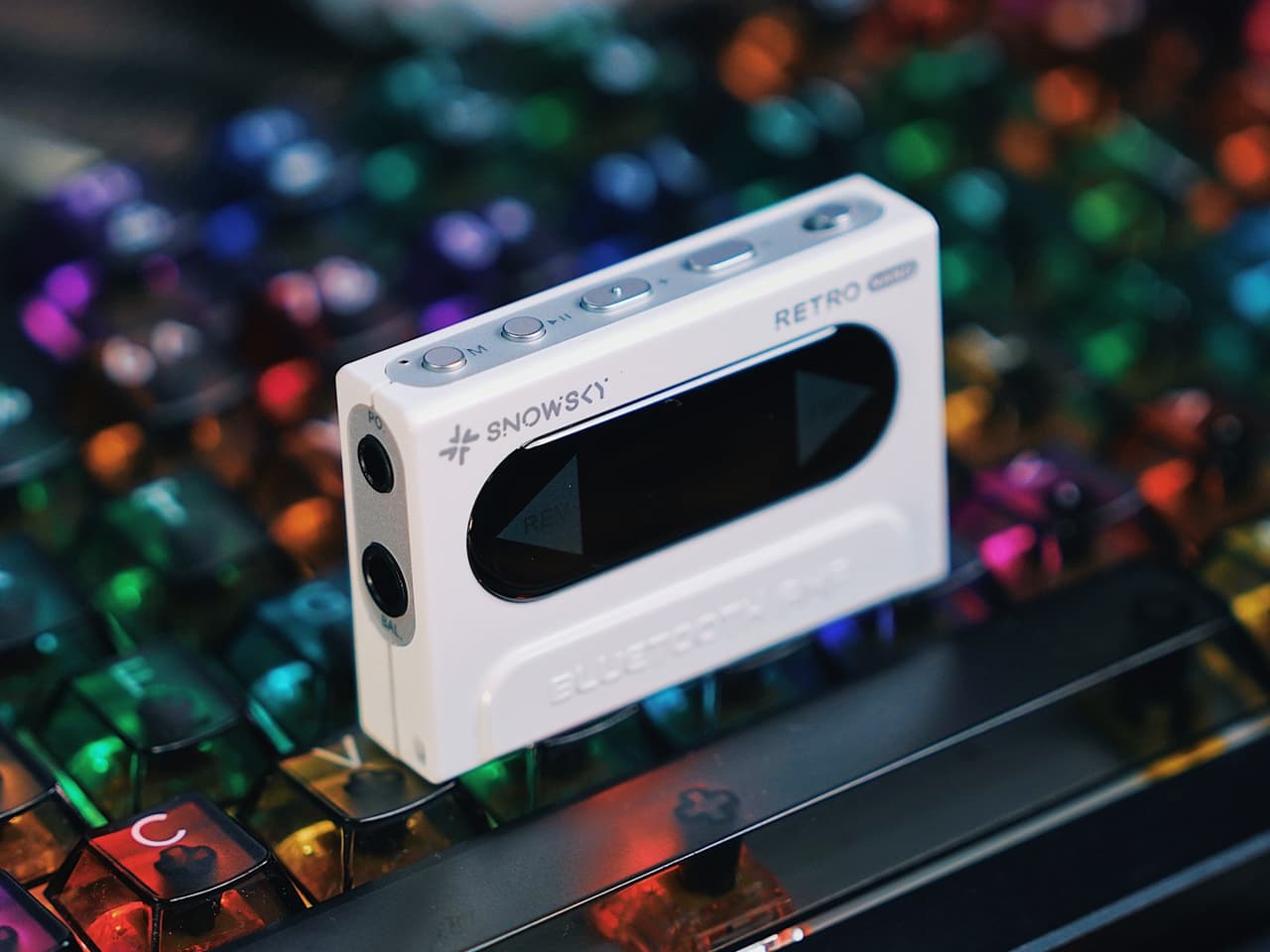
The 2025 tech roundups aren't about speed; they reveal a deep cultural fatigue with sleek minimalism. Analyze the rise of retro tech.
Key Takeaways
- •The 2025 tech trend signals cultural rejection of seamless, invisible technology.
- •Intentional friction and tactile interaction are the new luxury status symbols.
- •Big Tech's 'all-in-one' model is failing due to consumer digital exhaustion.
- •Future innovation will focus on mandated disconnection rather than pure processing power.
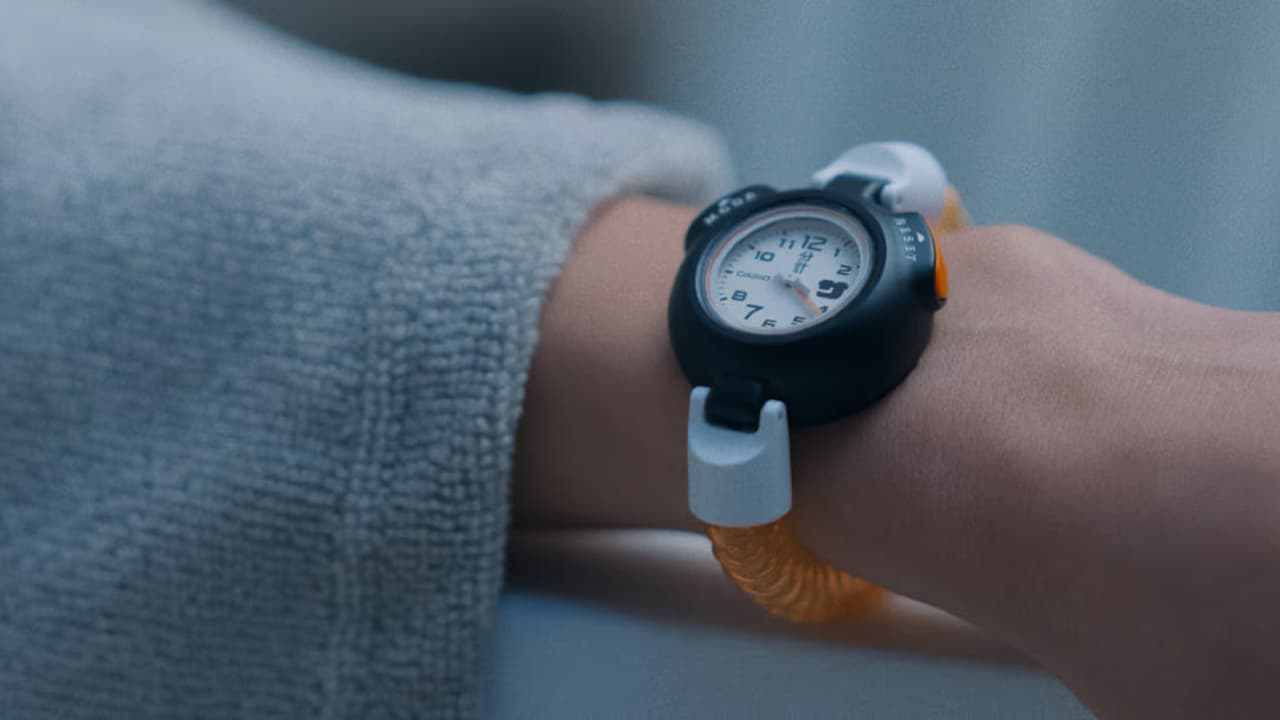
We just saw the supposed 'Top 10 Technology Posts of 2025,' and if you look closely, it’s not a list of innovation—it’s a **cry for help**. Everyone is talking about the resurgence of niche, tactile, and overtly analog-styled gadgets, from retro DACs to clunky Casio watches. But the unspoken truth is this: the obsession with **retro technology** isn't nostalgia; it’s a massive, collective rejection of the 'seamless experience' that Big Tech has spent two decades selling. This isn't about better features; it’s about reclaiming friction.
The Failure of Invisible Tech
For years, the goal was integration: technology that vanishes into the background. The result? Screens everywhere, notifications that never cease, and a profound sense of digital exhaustion. The items topping these 2025 lists—the ClearFrame CD player, the Teenage Engineering moped, the overly specific FIIO DAC—are deliberately clunky. They demand attention. They have texture. They force you to interact with a single function, offering a brief, blissful escape from the omnipresent smart ecosystem.
Who wins here? Not Apple or Google. The winners are the niche disruptors who understand that **user experience (UX)** is now synonymous with user resistance. They are capitalizing on the fatigue inherent in over-optimization. The mainstream **consumer electronics** market is facing a crisis of relevance because their products are too perfect, too pervasive, and ultimately, too boring. We are witnessing a cultural pivot toward 'intentional friction' as the new luxury good.
Deep Analysis: The Economics of Intentional Friction
This trend reveals a critical flaw in the modern **technology** business model. When hardware becomes indistinguishable (a glass slab with slightly better processing), value shifts entirely to branding and ecosystem lock-in. Consumers are fighting back by purchasing items that explicitly refuse to play nice with everything else. A dedicated CD player, for example, is economically inefficient, yet it sells because it offers unimpeachable focus. This signals a deep societal distrust in unified platforms. People are actively seeking single-purpose investments, a stark contrast to the all-in-one philosophy that dominated the 2010s. Look at the surge in analog audio equipment; it's a direct refutation of streaming dominance, as noted by recent market analyses on specialized audio equipment.
What Happens Next? The Great Digital Downgrade
My prediction is that by 2027, we will see Big Tech scramble to imitate this trend, resulting in 'Digital Downgrade' product lines. Expect flagship phones to launch with mandatory, non-removable 'Focus Modes' that mimic physical limitations, perhaps even pairing them with deliberately low-resolution secondary screens to encourage disconnection. The true innovation won't be faster chips; it will be better design philosophy that incorporates mandated periods of non-connectivity. The market for 'dumb phones' will explode, not just in emerging markets, but among affluent Western consumers seeking status through deliberate under-connection. The ultimate status symbol of the late 2020s will be what you choose not to own.
Gallery


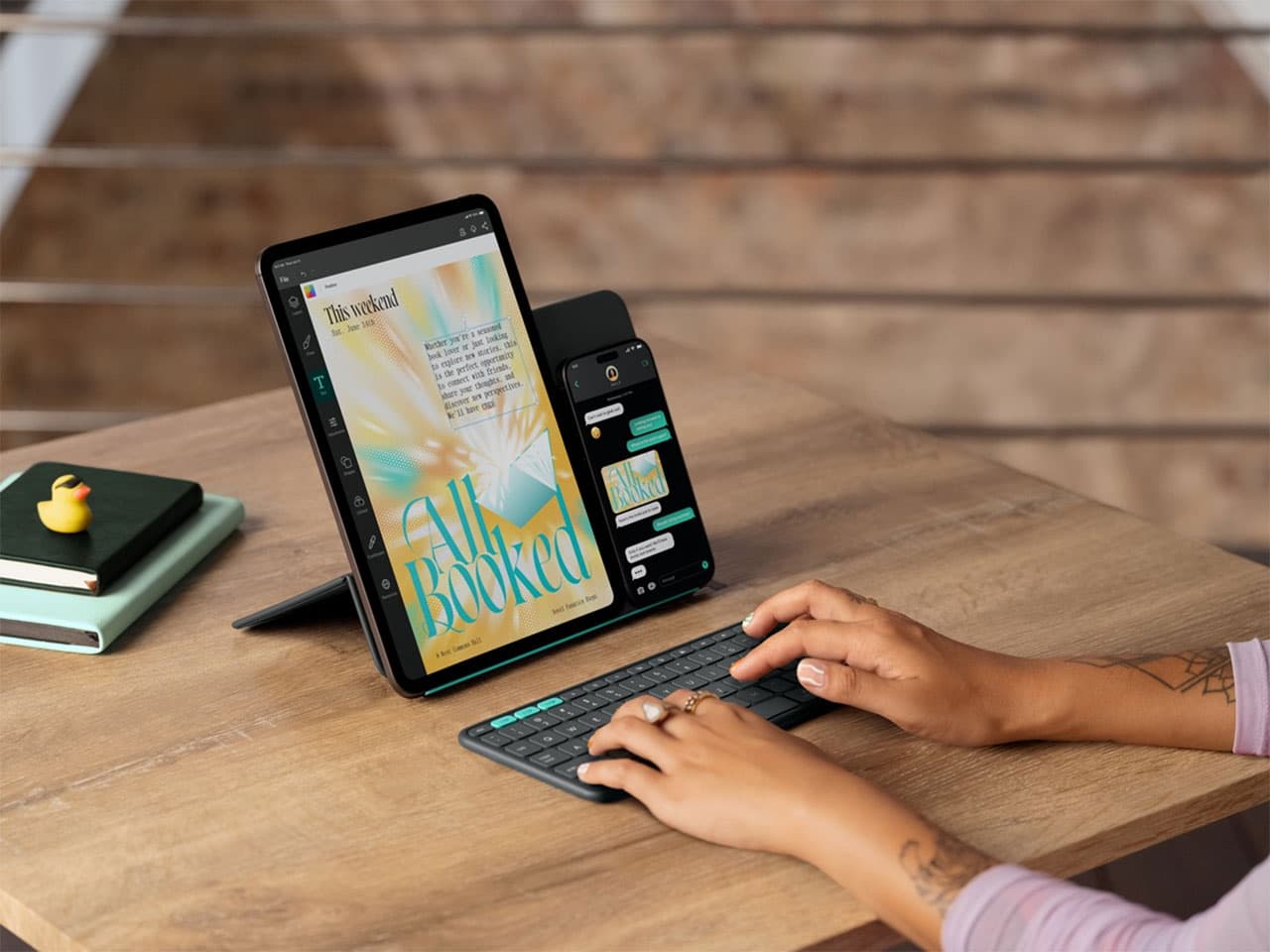
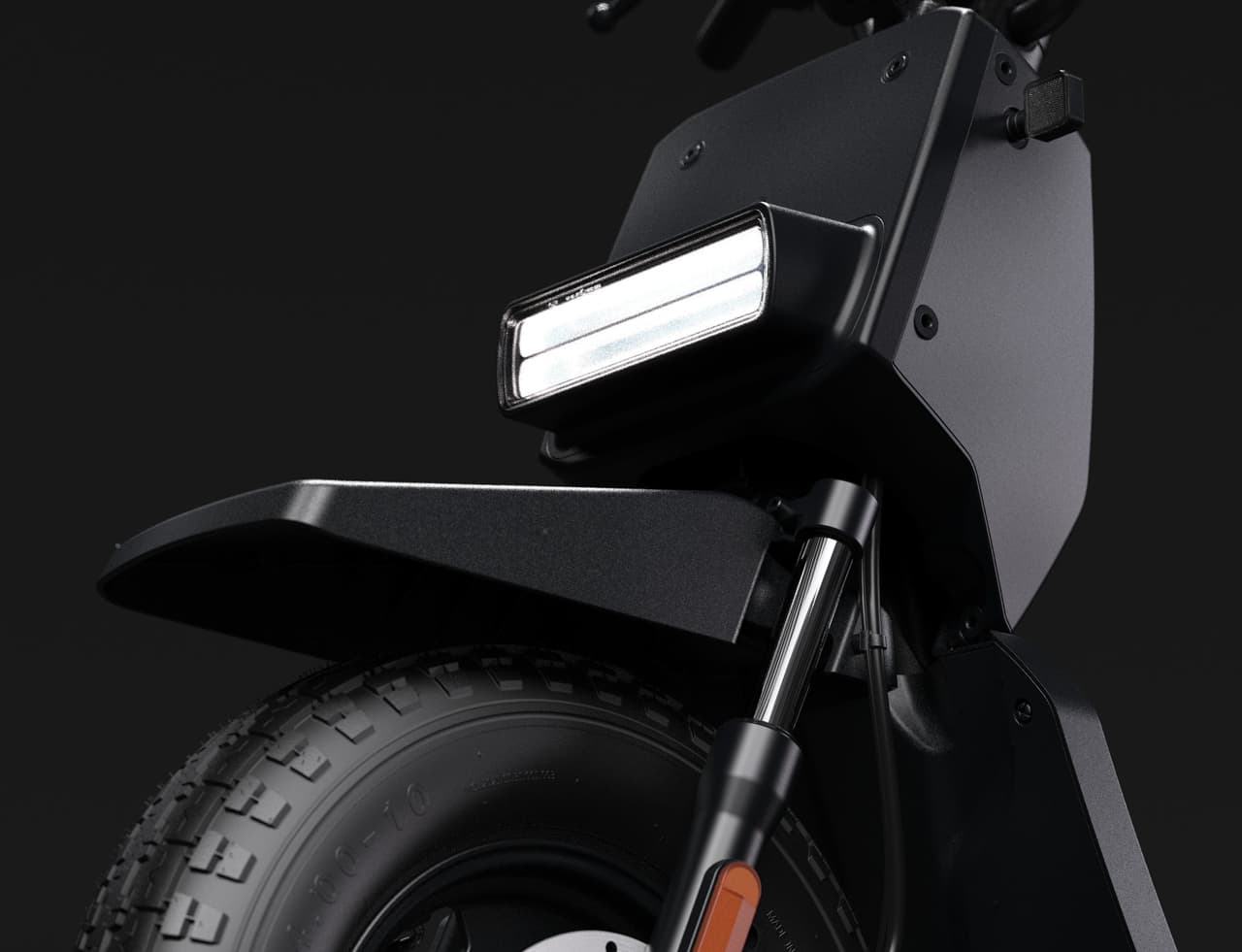
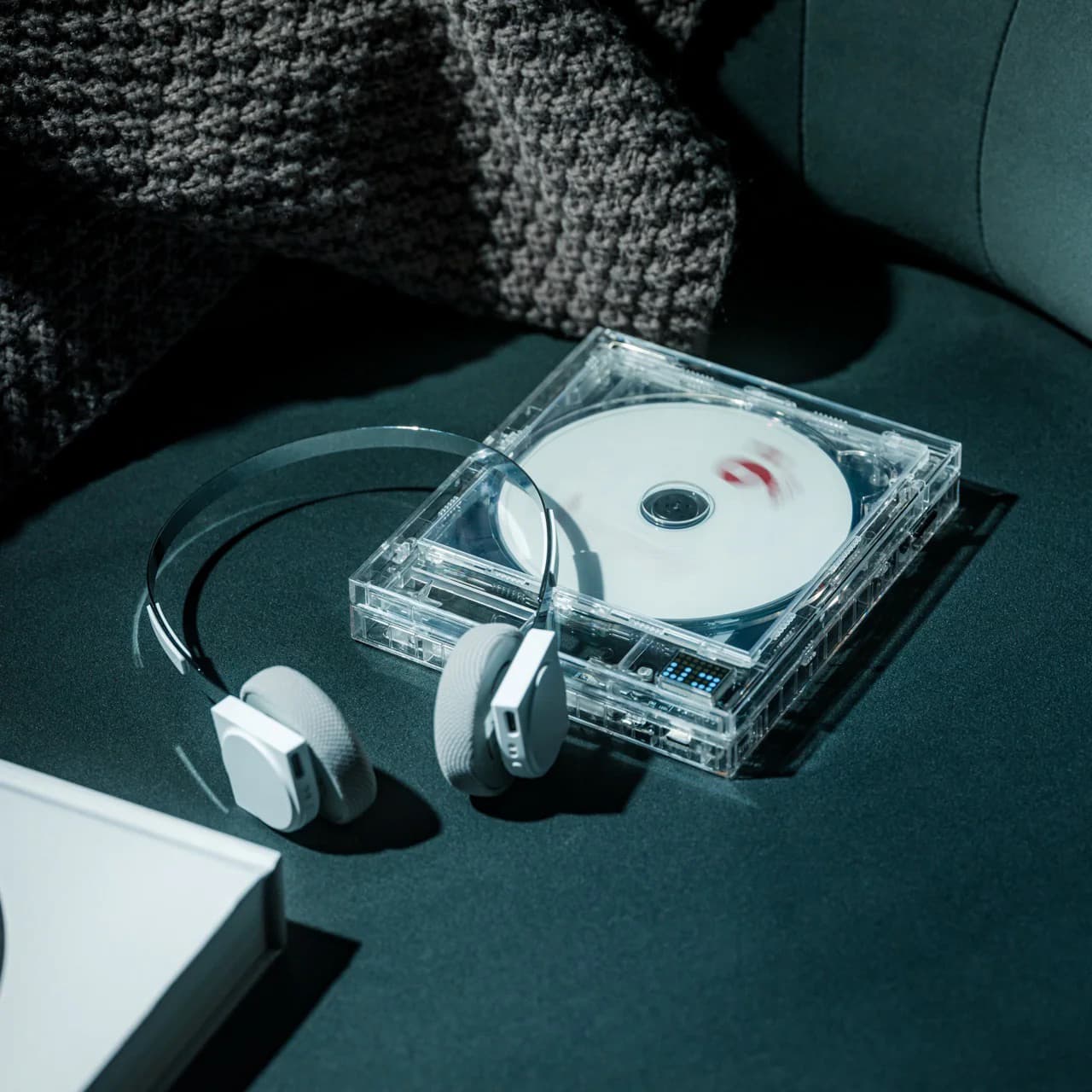
Frequently Asked Questions
Why are people suddenly buying old technology like CD players?
It's less about the technology itself and more about the intentionality it forces. Dedicated devices prevent the constant context-switching caused by multi-function smartphones, offering focused, high-quality experiences that combat digital fatigue.
What is 'intentional friction' in product design?
Intentional friction is the deliberate inclusion of minor obstacles or tactile steps in a product's operation to slow the user down, encourage mindfulness, and ensure they are actively choosing to engage with the device, rather than passively consuming content.
Will mainstream brands adopt this retro trend permanently?
Initially, they will attempt superficial cosmetic changes. However, the core economic incentive remains speed and integration. True adoption will only occur when they realize that selling 'less' focused functionality can command a premium price point, forcing a strategic pivot away from pure performance metrics.
Related News

Forget the Hype: The Real AI Battleground of 2026 Isn't Models, It's the Quiet War for Data Sovereignty
The next phase of artificial intelligence won't be about bigger LLMs; it's about who controls the data pipelines. Unmasking the true winners and losers.

Forget AI Hype: The Real Tech Battleground for 2026 Isn't What Silicon Valley Wants You to See
The supposed 'five tech trends' for 2026 are distractions. The true 2026 technology shift hinges on infrastructure control, not consumer gadgets. Unpacking the hidden power dynamics.
Tech Leaders' 2026 Predictions Are a Smoke Screen: Here's Who Really Wins the AI Arms Race
Forget the glossy 2026 tech predictions. The real battle isn't about generative AI adoption; it's about infrastructure control and regulatory capture in the coming **technology** shift.

DailyWorld Editorial
AI-Assisted, Human-Reviewed
Reviewed By
DailyWorld Editorial