The 'Flex Farm' Lie: Why Your Kid’s Hydroponics Class Hides the Real Crisis in School Food Tech

Green Bay's 'Flex Farm' success is a sanitized look at the future of school technology and food security. Is this sustainable?
Key Takeaways
- •The Flex Farm initiative highlights a trend of selling high-cost tech solutions to systemic food issues in schools.
- •True food security relies on low-tech, resilient knowledge, not proprietary, energy-dependent hardware.
- •This focus risks distracting from the immediate need to improve the quality of existing subsidized school meals.
- •Future classroom installations will likely become fully automated, shifting focus from gardening to data management.
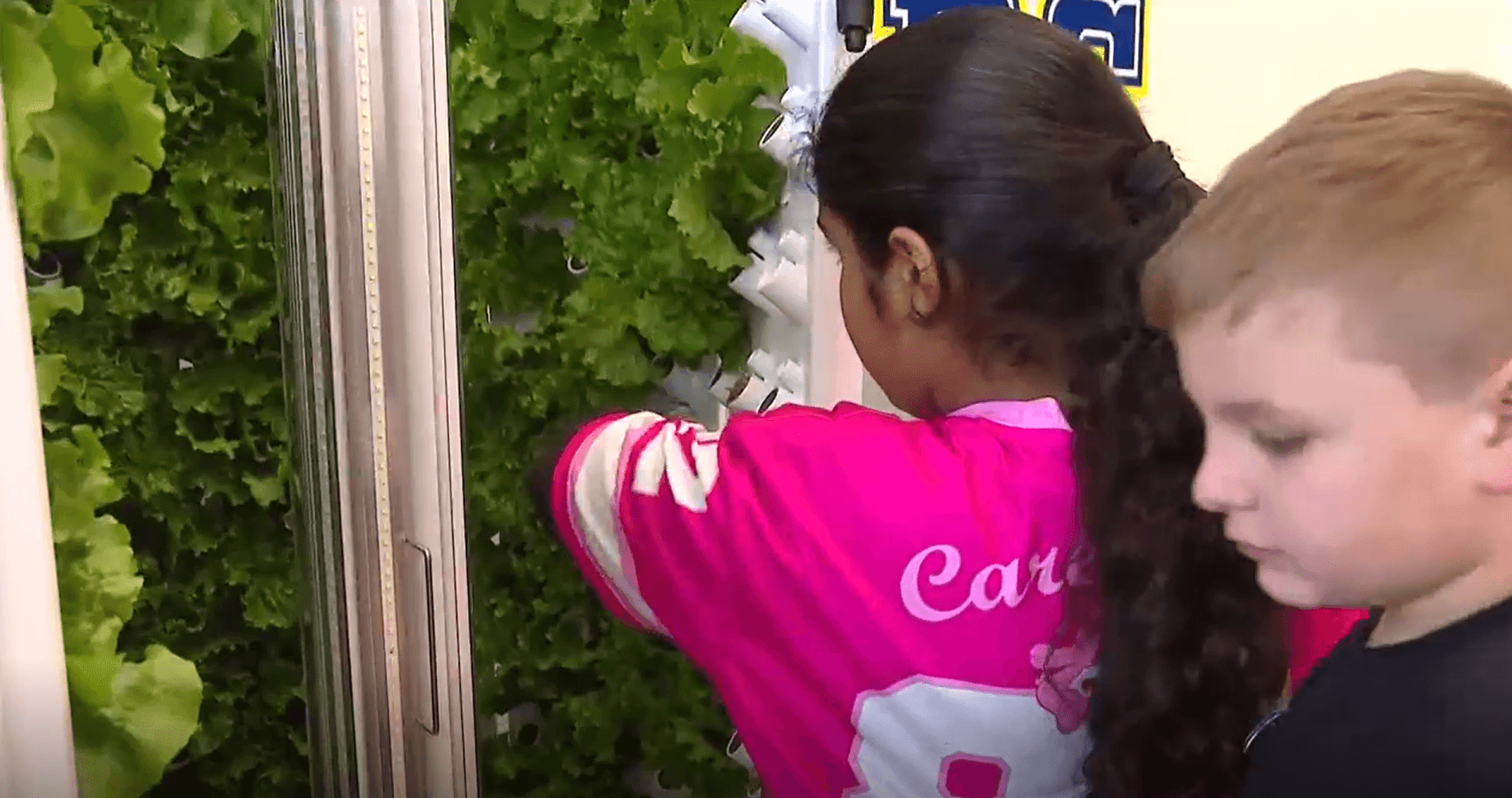
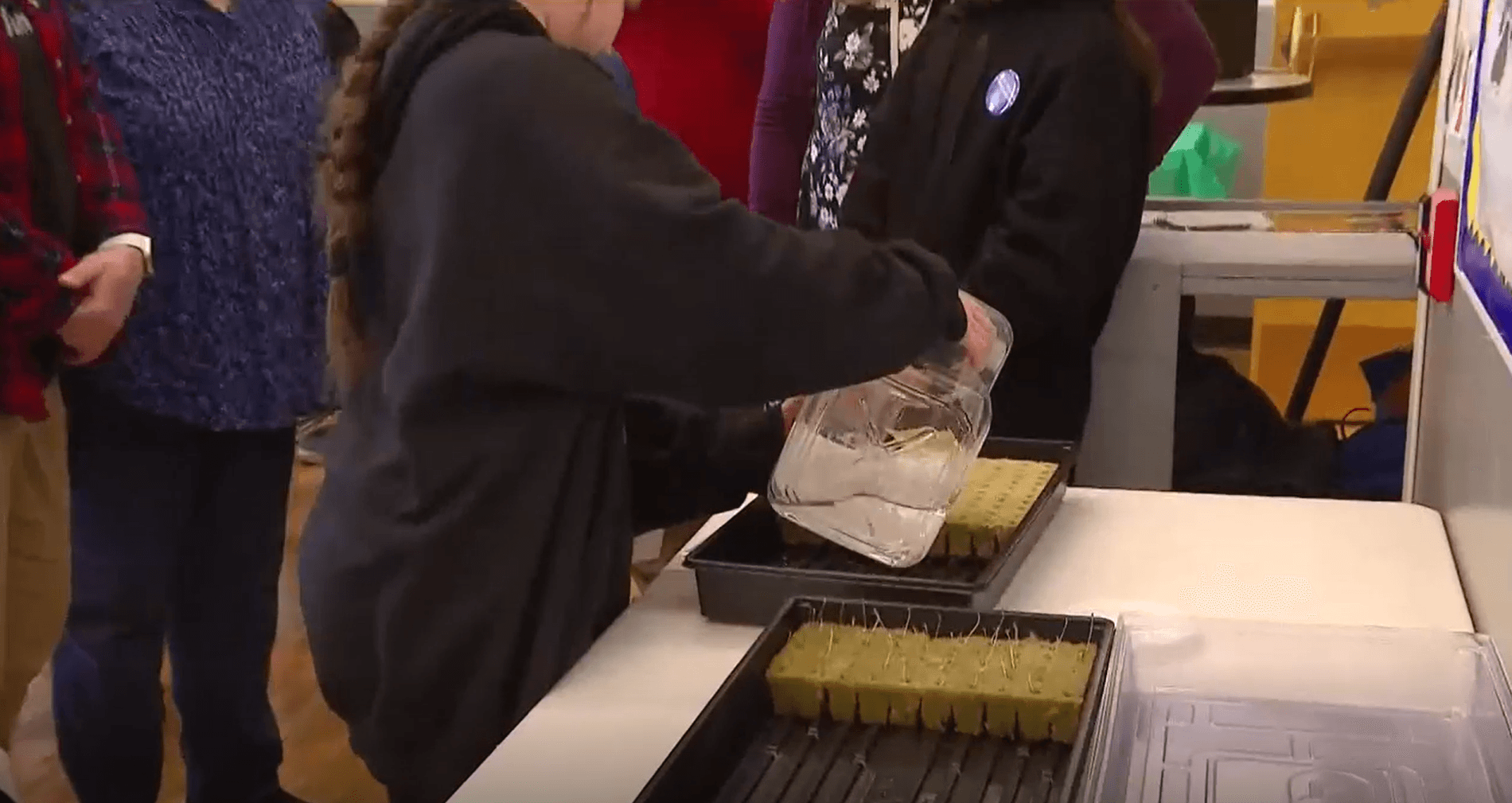
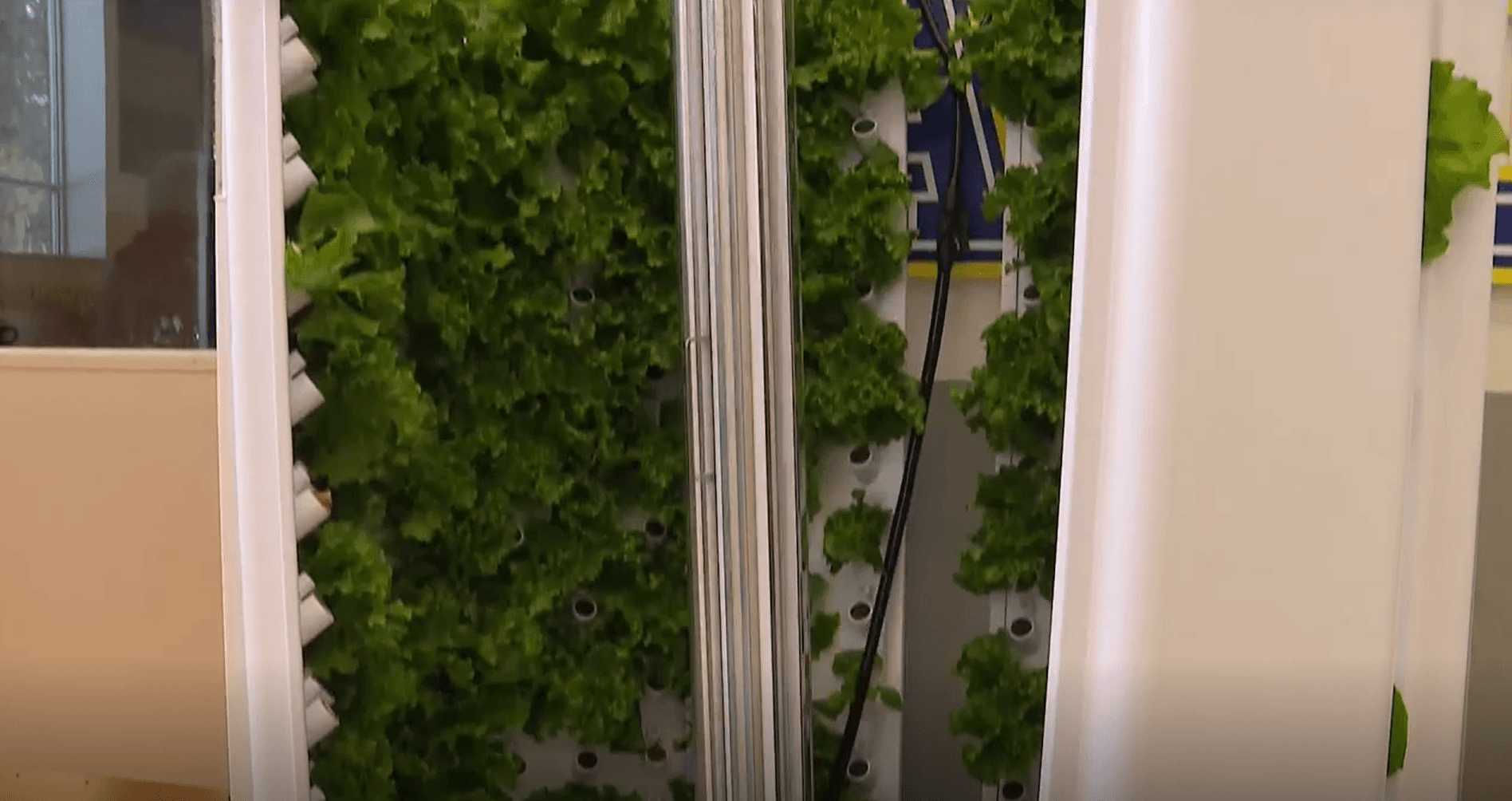
The headlines are glowing: Green Bay students are getting a “taste of hands-on, sustainable gardening” thanks to new hydroponic units called Flex Farms. On the surface, it’s a win—fresh lettuce in a classroom, a STEM lesson rolled into nutrition. But let’s cut through the PR gloss. This isn't just about teaching kids to grow basil; it’s about introducing a generation to a highly capitalized, tech-dependent form of agriculture that sidesteps the massive systemic failures of our traditional food supply chain. We need to talk about the technology adoption curve in public education, not just the yield of kale.
The Unspoken Truth: Centralization Disguised as Decentralization
The narrative suggests these units are democratizing farming. The reality is more complex. Flex Farms, and similar vertical farming systems, require significant upfront investment, specialized nutrients, and consistent electricity. This isn't teaching kids how to amend soil; it’s teaching them how to manage a proprietary hardware/software interface. Who really wins? The tech vendors selling these systems into cash-strapped school districts. It’s a perfect feedback loop: districts are desperate to show commitment to environmentalism and healthy eating, and vendors provide a shiny, quantifiable solution. The true winner is the centralization of control over food education into the hands of agribusiness technology providers.
Furthermore, this focus on high-tech gardening distracts from the core issue: the abysmal quality and accessibility of existing school lunch programs. Why are we celebrating a small yield of specialty greens when the majority of students still rely on heavily processed, subsidized meals? This is a distraction, a high-tech Band-Aid on a systemic wound.
Deep Dive: The Illusion of Food Security Through Hardware
The push for indoor farming, especially in K-12 settings, is driven by anxieties over climate change and supply chain fragility—anxieties that are entirely justified. However, relying on school-based hydroponics as a solution is fundamentally flawed. True resilience comes from diversified, localized, and low-tech agricultural knowledge, not from expensive, energy-intensive closed-loop systems. If the power grid fails, or if the specialized nutrient solution contract lapses, the learning—and the produce—stops instantly. This is fragile food security masquerading as innovation.
We must analyze this through the lens of educational equity. Wealthier districts can afford the maintenance and training required for these advanced systems, further widening the experiential gap between students. This sustainable gardening initiative, while well-intentioned, risks becoming another marker of educational privilege.
What Happens Next? The Automation Inevitability
My prediction is that within five years, these classroom units will evolve rapidly. The next iteration won't just be 'Flex Farms'; they will be fully automated, AI-monitored pods. The focus will shift entirely from 'hands-on' gardening to 'data analysis' of crop yields. Educators will become system monitors rather than cultivators. This technological creep means that while students learn about agriculture, they are simultaneously being trained to manage automated infrastructure—a skill set far more valuable to the future corporate food system than actual soil science. The irony is that in trying to teach sustainability, we are accelerating automation dependency.
The real long-term impact won't be better salads; it will be the normalization of high-cost, high-tech food production as the *only* viable alternative to industrial farming. We need to push back and demand investment in community gardens and robust agricultural education that doesn't require venture capital.
Gallery

Frequently Asked Questions
What is the primary benefit of using Flex Farms in schools?
The primary stated benefit is providing students with hands-on experience in modern, space-efficient hydroponic farming techniques, promoting STEM learning and healthy eating awareness.
Is hydroponics truly a sustainable solution for large-scale food production?
Hydroponics is efficient in water use compared to traditional farming, but it is heavily reliant on consistent electricity and manufactured nutrient solutions, making its sustainability dependent on reliable infrastructure and supply chains.
How does this technology adoption affect educational equity?
There is a risk that only well-funded school districts can afford the initial investment and ongoing maintenance of these advanced systems, potentially widening the technological and experiential gap among students.
What are the main criticisms of introducing technology like Flex Farms into K-12 education?
Criticisms center on the high cost, the proprietary nature of the technology, and the potential for distracting from more fundamental, low-cost methods of teaching food production and resilience.

DailyWorld Editorial
AI-Assisted, Human-Reviewed
Reviewed By
DailyWorld Editorial