The Dumbest Health Advice for Seniors: Why 'Brain Games' Are Losing to Deadlifts
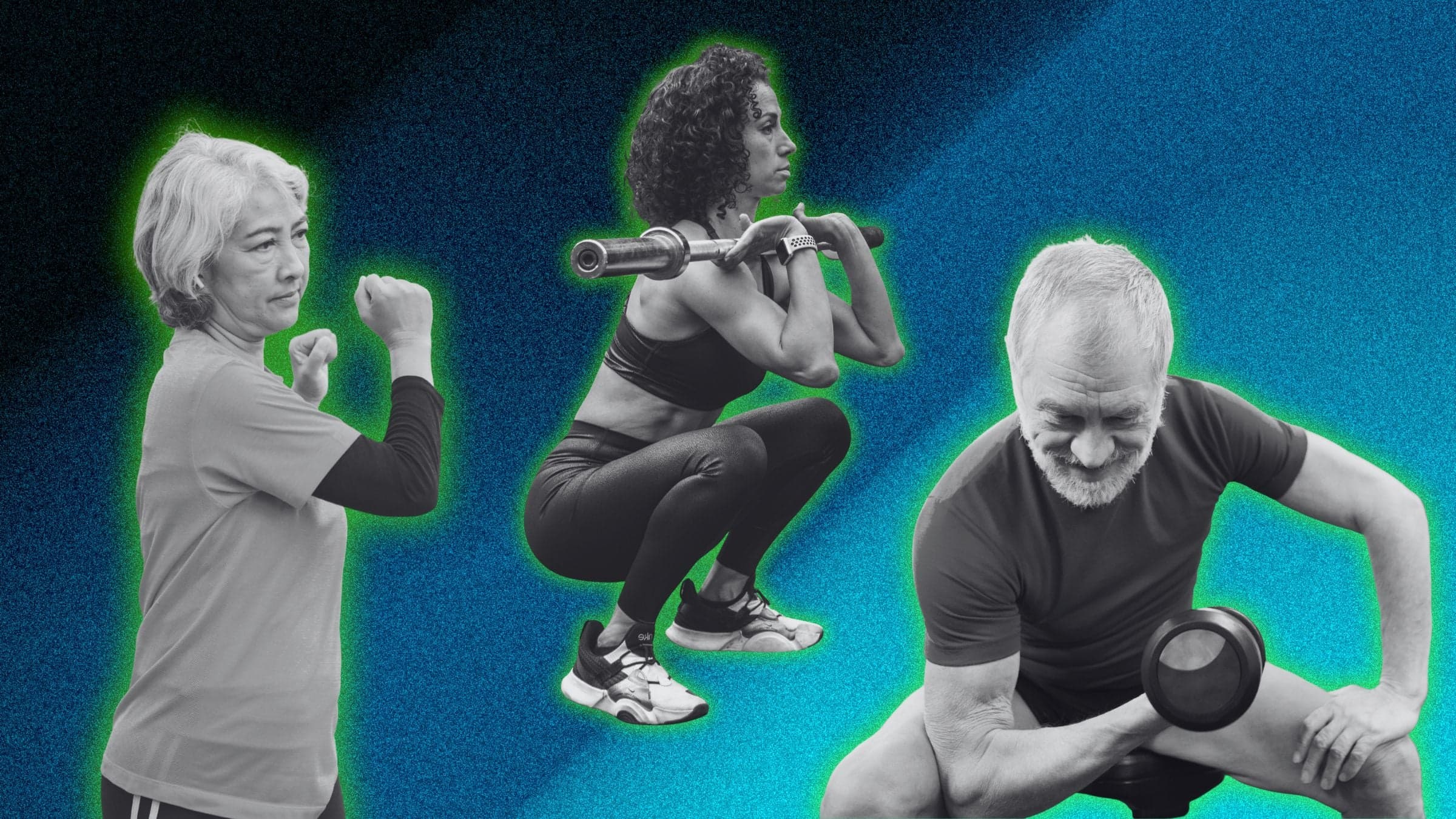
Forget Sudoku. The real cognitive revolution for aging isn't puzzles—it's heavy lifting. Unpacking the hard truth about strength training and the aging brain.
Key Takeaways
- •High-intensity strength training releases myokines that directly stimulate BDNF (brain fertilizer).
- •Passive mental exercises (puzzles) are significantly less effective than physical overload for cognitive maintenance.
- •The future of senior health centers around documented, progressive resistance training protocols.
- •Physical strength is becoming the primary measurable indicator for cognitive longevity.
The Hook: Are You Wasting Your Brainpower on Puzzles?
We've been sold a lie about aging. The narrative suggests that as our bodies decline, our only recourse is mental gymnastics: crosswords, apps, and 'brain games.' This comforting, low-effort narrative is proving to be dangerously insufficient. New data on strength training benefits is forcing a radical pivot, suggesting that the true fountain of youth for cognitive function isn't found in abstract logic, but in the heavy, grinding reality of lifting weights. This isn't just about preventing falls; it's about preserving the very essence of self.
The Meat: Why Muscle Mass Is the New Memory Card
The recent focus on strength training for seniors reveals a profound physiological link that traditional gerontology has overlooked. It’s not the *movement* that matters most; it’s the *load*. Research increasingly points to the production of myokines—signaling proteins released by contracting muscles—as neuroprotective agents. These aren't passive chemicals; they are potent messengers stimulating Brain-Derived Neurotrophic Factor (BDNF), the fertilizer for your neurons. If you want better memory and faster processing speed, you need to overload your sarcopenia, not just keep busy.
The surprising element? The intensity matters. Light walking provides cardiovascular benefits, sure, but studies show that high-intensity resistance training elicits a far superior release of these cognitive boosters. The market for brain apps is booming because it allows people to avoid discomfort. The reality is that true cognitive resilience demands physical discomfort. This is the inconvenient truth the wellness industry doesn't want you to hear.
The Unspoken Truth: Who Really Wins and Loses?
Who loses in this paradigm shift? The sedentary, the perpetually cautious, and the massive industry built on low-impact, low-return 'brain health' products. They lose because they are chasing symptoms, not causes. The winners are those who embrace the mechanical stress of progressive overload. This shift puts the power back into the hands of the individual, demanding engagement with the physical world rather than passive consumption of digital distractions.
Furthermore, consider the economic implications. A population that maintains high cognitive function later in life drastically reduces the long-term burden on healthcare systems related to dementia and cognitive decline. This isn't just personal health; it's fiscal policy disguised as exercise. The long-term study of aging and resistance exercise confirms this: physical strength directly translates to mental longevity, a correlation far stronger than previously accepted.
Where Do We Go From Here? The Prediction
Expect the next five years to see a massive institutional shift. Gyms and physical therapy clinics will stop marketing 'gentle fitness' to older adults and start aggressively promoting 'neuro-muscular loading protocols.' Insurance companies, driven by actuarial science, will begin offering significant premium reductions for documented participation in high-intensity resistance programs, effectively penalizing those who rely solely on low-load activities. The 'Silver Tsunami' won't just be about longevity; it will be about maintaining high-performance cognition, and the barbell will become the primary tool for achieving it. We will see the rise of specialized 'Cognitive Strength Coaches' who monitor muscle fatigue alongside reaction times.
Frequently Asked Questions
Is moderate weight lifting enough to see cognitive benefits?
Research suggests that the greatest cognitive signaling occurs with higher intensity, progressive overload protocols, meaning you need to challenge the muscle to maximize the neurochemical release.
What is the scientific mechanism linking muscle to memory?
The primary mechanism involves myokines, signaling proteins released during muscle contraction, which cross the blood-brain barrier to stimulate neurogenesis and protect existing neurons, often measured via BDNF levels.
How soon can I expect to notice cognitive improvements from lifting?
While physical strength gains can be seen in 6-8 weeks, significant, measurable changes in executive function often require consistent, high-load training for at least three to six months.
Are there any risks to starting strength training later in life?
Risks are minimal when properly supervised. Consulting a physical therapist experienced in geriatric strength protocols is crucial to ensure form is correct before increasing load, mitigating injury risk.

DailyWorld Editorial
AI-Assisted, Human-Reviewed
Reviewed By
DailyWorld Editorial