The Drone Secret: Why Elite Marine Biologists Are Trading Boats for UAVs in Dolphin Health Monitoring
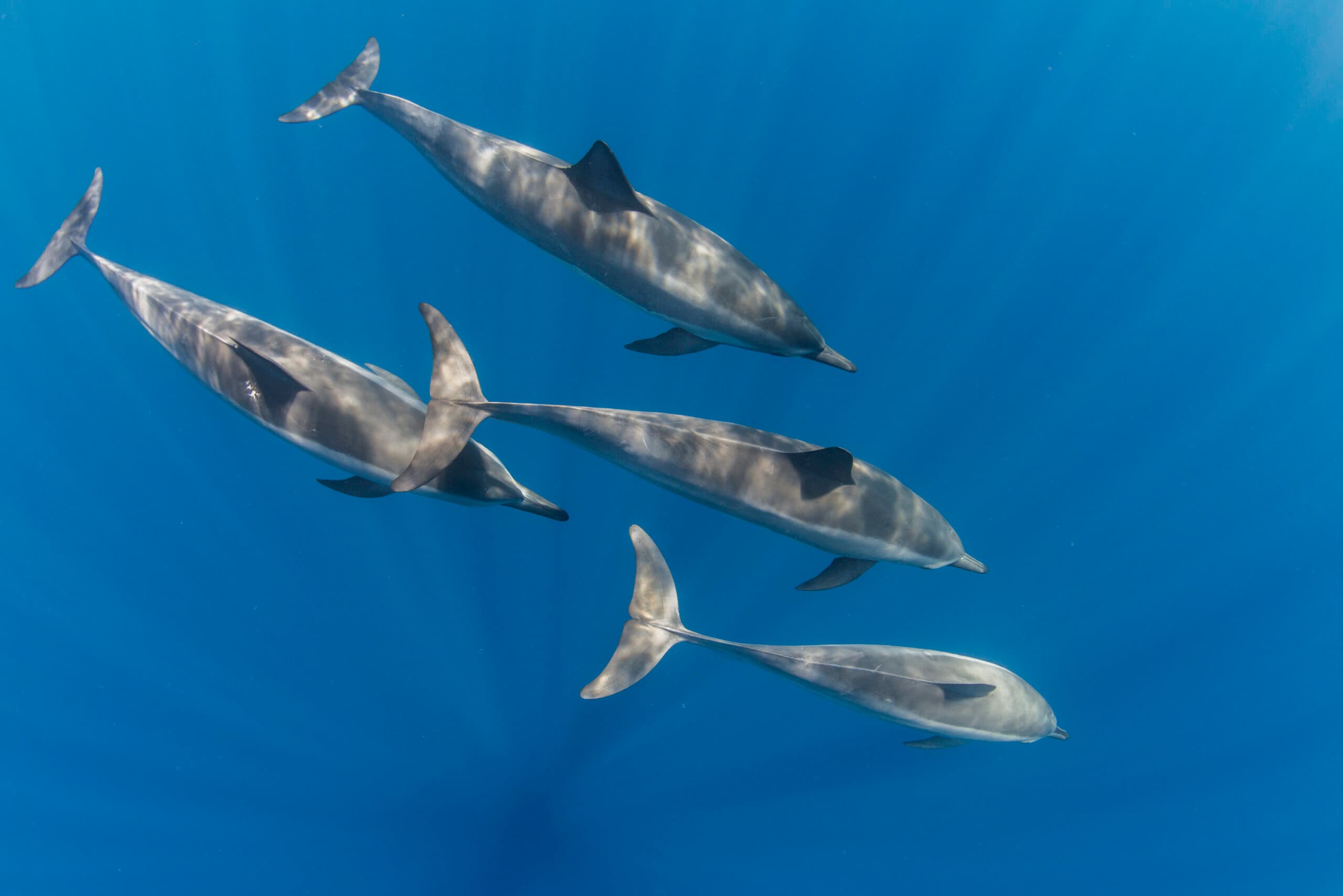
The rise of drone technology in marine biology isn't just about convenience; it's about a seismic shift in data collection and who controls the narrative on ocean health.
Key Takeaways
- •Drones provide non-invasive, high-resolution health data (thermal, multispectral) that surpasses traditional capture methods.
- •The technology centralizes data collection power, shifting influence away from traditional institutions.
- •The visual proof generated by drones will rapidly become the standard for policy and MPA effectiveness metrics.
- •The next conflict will be regulatory: governments attempting to classify ecological drone data as sensitive.
The Hook: The Illusion of Intimacy
We love the image: a dedicated scientist leaning over the rail of a research vessel, a dolphin breaching nearby, a moment of pure, untainted connection. This romantic vision of marine biology is officially obsolete. The real breakthrough in dolphin health monitoring isn't happening on the waves; it’s happening 200 feet above them, powered by lithium-ion batteries. Drones are not just a tool; they are a revolution in wildlife surveillance, but the industry isn't talking about the profound ethical and data sovereignty implications.
The Meat: Precision Over Presence
Recent reports highlight the deployment of unmanned aerial vehicles (UAVs) to assess the physical condition of dolphin populations. Traditional methods—capture, tag, blood draw—are invasive, stressful for the animals, and wildly expensive. Drones, equipped with high-resolution thermal and multispectral cameras, can now capture data on body condition, skin lesions, and even respiratory rates from a safe distance. This shift promises unparalleled longitudinal data sets for tracking marine mammal health trends.
But here is the unspoken truth: This technology centralizes power. The ability to gather massive, non-invasive datasets cheaply shifts the advantage away from traditional, well-funded government oceanographic institutes toward smaller, tech-savvy research groups or even private environmental consultancies. Who owns this high-resolution visual archive of ocean distress? That is the real battleground.

The Why It Matters: Data Colonialism in the Deep
Why should you care about how a dolphin is scanned? Because the data gathered by these drones—data on pollution impact, acoustic trauma, and climate stress—is the primary currency for policy change. If a private entity collects the definitive visual proof of habitat degradation, they gain immense leverage over regulatory bodies. This isn't just science; it's ecological intelligence gathering.
The crucial analysis here is the move from inference to quantifiable evidence. When a drone captures a thermal map showing a pod suffering from localized heat stress, that image bypasses years of statistical modeling. It’s visceral, undeniable. This immediacy forces accountability, but it also creates a new vulnerability: data bias. If the drone deployment is focused only on high-tourism areas, our global understanding of dolphin health becomes skewed, prioritizing the visible over the truly remote populations facing existential threats. For a deeper look at the challenges of non-invasive monitoring, see the work done on acoustic ecology by major news outlets.
What Happens Next? The Predictive Pivot
My prediction is that within five years, drone-derived health metrics will become the globally standardized benchmark for assessing Marine Protected Area (MPA) effectiveness, completely sidelining older, boat-based assessments. Furthermore, expect a regulatory arms race. Governments will scramble to classify high-resolution ecological data gathered by UAVs as sensitive national security information, severely limiting open-source sharing. The competitive edge will belong not to the best marine biologists, but to the best drone pilots and data scientists.
The conservation movement must adapt quickly. If they don't control the drone platforms, they risk having the narrative—and the funding—dictated by those who do. This technological leap forces us to confront the messy reality of modern conservation: it is now as much a tech industry as it is a field science. Look at how remote sensing has changed global agriculture for a parallel: Remote sensing technology is reshaping every sector.
Frequently Asked Questions
How exactly do drones monitor dolphin health?
Drones use specialized cameras, like thermal imagers to detect fever or stress, and multispectral sensors to analyze skin condition, lesion severity, and blubber thickness without physical contact.
What is the biggest ethical concern with using drones for wildlife monitoring?
While less invasive than capture, the primary concern is potential habituation or disturbance from the noise/presence of the drone, though modern, quiet UAVs minimize this risk compared to traditional boat approaches.
Will this technology replace human marine biologists?
No. Drones are excellent data collectors, but human expertise is required to interpret complex physiological data, design the study protocols, and advocate for policy based on the findings. It augments, not replaces.
What is the 'data sovereignty' issue mentioned?
Data sovereignty refers to who controls the raw, high-value data collected about natural resources. If private or non-governmental entities own the definitive health datasets, they gain significant leverage over government environmental policy and funding allocation.

DailyWorld Editorial
AI-Assisted, Human-Reviewed
Reviewed By
DailyWorld Editorial