The Doomsday Glacier Expedition: Who Really Benefits When Antarctica Finally Cracks?

The latest science mission to Thwaites isn't about saving the planet—it's about asset management for the inevitable sea-level rise.
Key Takeaways
- •The expedition's primary function is data collection for global asset risk management, not immediate climate intervention.
- •Accurate Thwaites data will be monetized to price coastal real estate and infrastructure risk for the next century.
- •Expect policy shifts toward 'managed retreat' in vulnerable zones within five years, driven by this new scientific intelligence.
- •The focus on Antarctica research is a geopolitical move to gain leverage in future climate negotiations.
The Unspoken Truth: This Expedition is Insurance, Not Intervention
A new, heavily publicized scientific vessel is currently charting a course toward the notorious Thwaites Glacier—the so-called Doomsday Glacier. The headlines scream urgency, painting a picture of heroic scientists racing against the clock to understand the tipping point of global catastrophe. But let’s cut through the noise. This $50 million research trip isn't a Hail Mary pass to stop the ice from melting; it’s a high-stakes reconnaissance mission for the global elite. The key topic here isn't climate change mitigation; it’s climate adaptation economics.
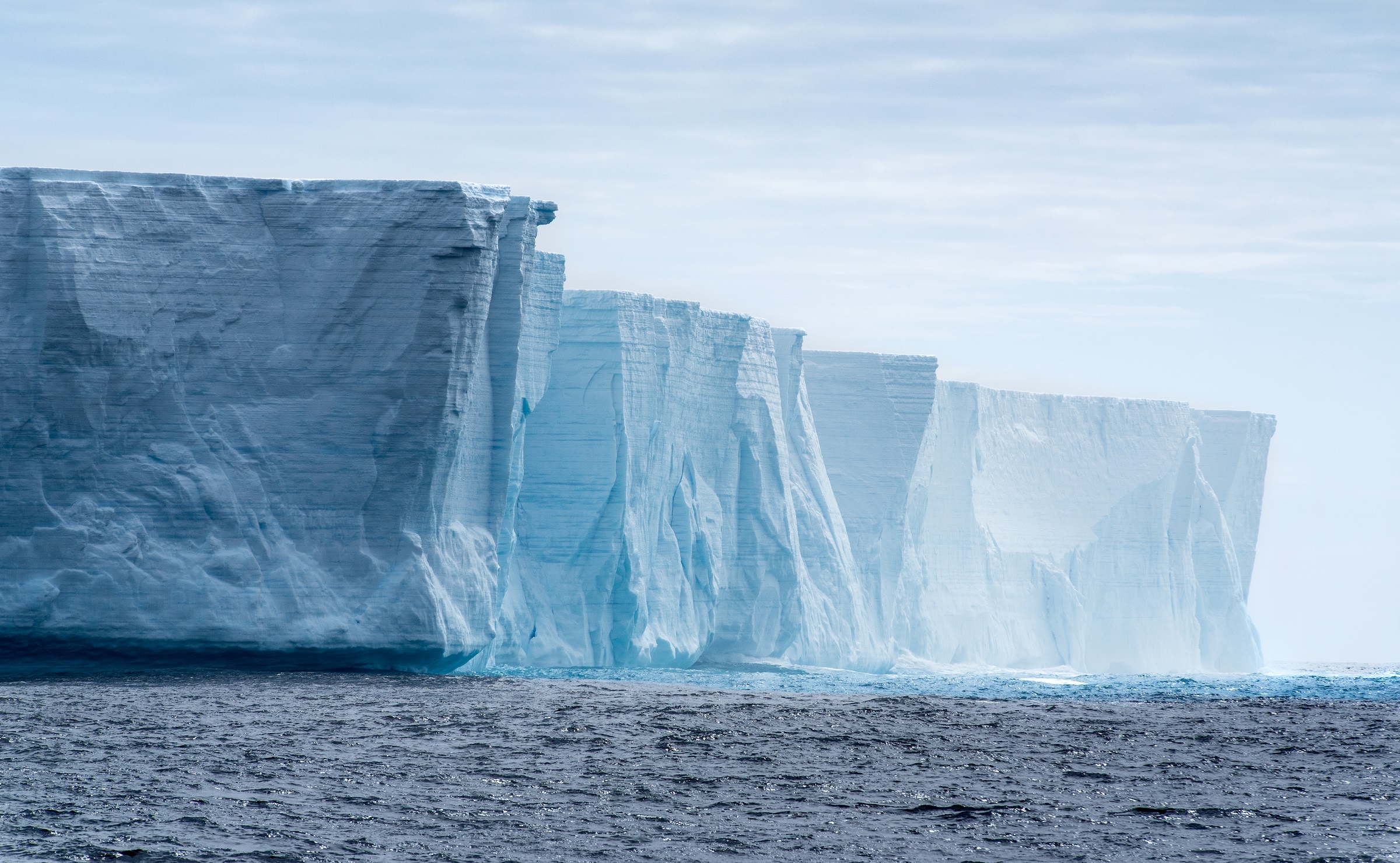
We are obsessed with the *melting*, but we ignore the *mapping*. When Thwaites inevitably collapses—and let's be clear, the scientific consensus suggests it’s a matter of *when*, not *if*—it will raise global sea levels by over two feet. This isn't just a problem for low-lying islands; it’s a multi-trillion-dollar disaster for coastal real estate, global shipping lanes, and military infrastructure. The real winners of this expedition will be the hedge funds and sovereign wealth managers who receive the granular data necessary to price coastal risk correctly. They need to know the precise timeline for the next meter of inundation. This research is effectively a futures market analysis for the next century.
Deep Dive: The Geopolitical Value of Knowing the Timeline
Why the sudden, intense focus on Thwaites? Because the uncertainty is the most expensive variable. Industries like insurance, major infrastructure development, and even national defense depend on predictable risk assessment. If the current models are off by 50 years, entire economies built on coastal property—think Miami, Shanghai, or Amsterdam—are fundamentally mispriced. The scientists are gathering essential data on ice shelf stability, subglacial hydrology, and grounding line retreat. This data, once processed, will be immediately monetized. The hidden agenda is simple: de-risking assets for those who can afford to relocate or build massive sea defenses. The average citizen gets a terrifying headline; the powerful get a spreadsheet.
Furthermore, consider the geopolitical angle. Control over accurate climate modeling translates to soft power. Nations that possess the most precise data on sea-level rise gain leverage in international negotiations over resource allocation and climate migration treaties. This is a scientific arms race disguised as environmental stewardship.
What Happens Next? The Great Coastal Migration Accelerates
My prediction is stark: Within five years of this expedition releasing its most alarming data sets, we will see the first major, state-level policy shift prioritizing managed retreat over expensive, futile defense measures in non-critical areas. Instead of building higher seawalls everywhere, governments will quietly begin decommissioning infrastructure in zones deemed economically indefensible. Look for massive, subsidized buyouts of low-lying residential areas, framed publicly as 'green reinvestment' but privately driven by actuarial tables derived from exactly this kind of research. The term climate adaptation will replace 'climate change mitigation' in the boardrooms.
This expedition is a necessary, albeit grim, step toward accepting the new reality. The Doomsday Glacier is not just a geological feature; it is the world’s most expensive, slow-moving clock, and this mission is about reading the time accurately for those who need to know before the alarm sounds for everyone else. The focus on Antarctica research is intense because the consequences of ignorance are too costly for the powerful to bear.
Frequently Asked Questions
What is the primary threat posed by the Thwaites Glacier?
Thwaites Glacier, often called the Doomsday Glacier, holds enough ice to raise global sea levels by over two feet. Its rapid melting destabilizes the entire West Antarctic Ice Sheet, leading to catastrophic coastal flooding worldwide.
Why is this scientific expedition considered controversial or having a hidden agenda?
The controversy stems from the view that high-level scientific missions often precede economic decisions. Critics argue the data gathered is less about saving coastlines and more about allowing wealthy entities to accurately price the risk of inevitable sea-level rise for strategic asset management.
How much would sea levels rise if the entire Doomsday Glacier melted?
If the entire Thwaites Glacier were to collapse, it is projected to cause a global sea level rise of approximately 65 centimeters (about 26 inches) on its own, which is a significant contributor to overall global ice melt.
What is the difference between climate mitigation and climate adaptation?
Climate mitigation focuses on reducing greenhouse gas emissions to slow down climate change. Climate adaptation focuses on adjusting to the current and expected effects of climate change, such as building sea walls or relocating populations.
