The Digital Dragon: Why China's Tech-Opera Fusion is a Trojan Horse for Cultural Supremacy
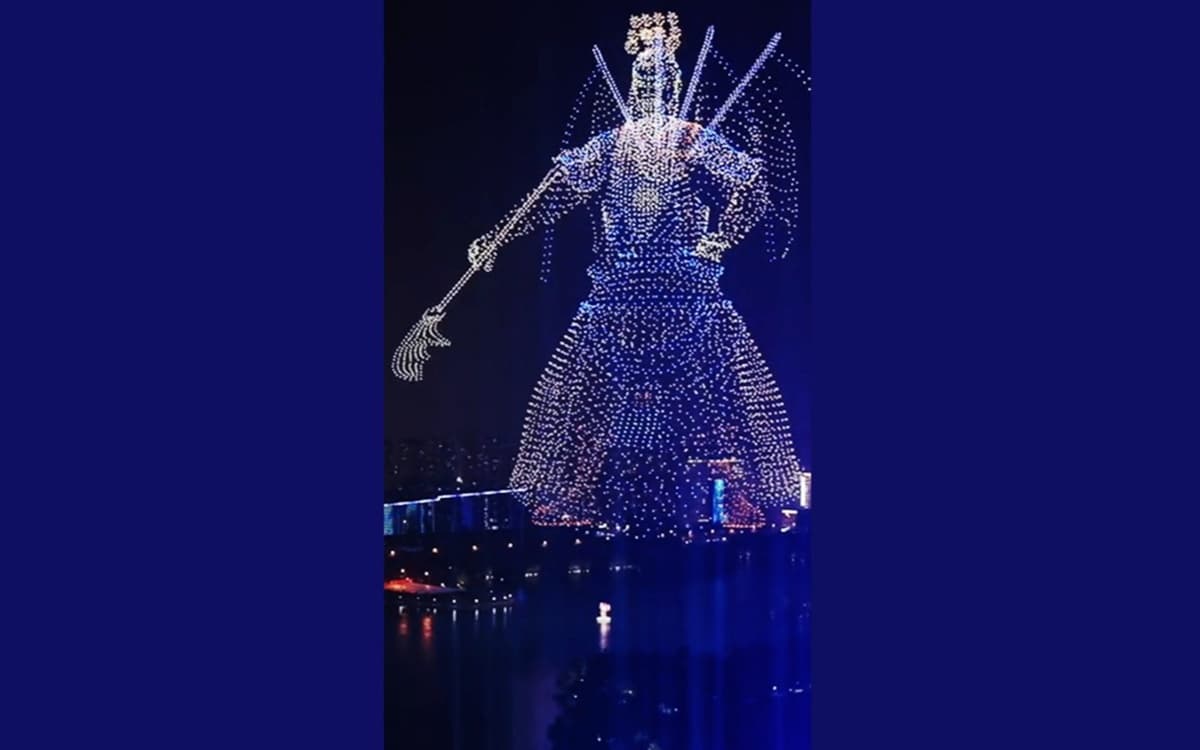
Forget the spectacle. The fusion of **Chinese opera** and **advanced technology** isn't just entertainment; it's a calculated soft power play reshaping global **cultural technology** perception.
Key Takeaways
- •The technological fusion in Chinese opera is a strategic soft power play, not just artistic innovation.
- •The spectacle risks overshadowing the traditional artistic subtleties of the opera form itself.
- •These performances serve as high-profile showcases for China's advanced digital integration capabilities.
- •The future likely involves generative, personalized opera driven by real-time data.
The Digital Dragon: Why China's Tech-Opera Fusion is a Trojan Horse for Cultural Supremacy
When the curtains rise on a modern Chinese opera, what you are witnessing is not merely a revival; it is a meticulously engineered spectacle. Reports praising the dazzling integration of high-definition projection mapping, augmented reality, and immersive soundscapes into traditional forms like Kunqu or Peking Opera miss the central, uncomfortable truth: This is not preservation; it is weaponization.
The immediate takeaway is obvious: dazzling visuals. But the true audience is not the local tourist. The target is the global cultural consumer, the venture capitalist, and the geopolitical rival. This blending of ancient aesthetic—a cornerstone of **Chinese culture**—with cutting-edge **technology** serves a dual purpose that few Western reports dare to analyze deeply.
The Unspoken Truth: Soft Power as a Hard Currency
Who truly wins when the stage lighting rivals a Silicon Valley keynote? The State. This fusion acts as a highly palatable Trojan Horse. It allows China to export its cultural narrative—its history, its philosophical underpinnings, and its aesthetic values—wrapped in the universally appealing, modern veneer of technology. It’s an irresistible package: you get the exoticism of opera without the perceived barrier of classical study. This is strategic cultural marketing at its most effective, designed to bypass intellectual skepticism. Compare this to the often staid presentation of Western classical arts; China is innovating the delivery mechanism.
The losers? Authenticity and the original form itself. As these shows become more dependent on technological spectacle—the more immersive the AR, the better the review—the subtle, centuries-old nuances of the vocal performance and original staging risk being drowned out. The cultural technology arms race demands spectacle over substance. For more on the history of Chinese opera, see the Encyclopedia Britannica entry.
Deep Analysis: The New Global Tech Narrative
This is more than just a museum piece updated for the 21st century. It’s a proof of concept for China’s global ambitions in the digital sphere. If they can seamlessly integrate complex projection mapping into a 500-year-old art form, imagine the sophistication they apply to AI, manufacturing, or surveillance. The opera houses become high-profile, low-risk showrooms for technological prowess. It signals to the world: We are not just catching up; we are leading the integration of digital experience across all sectors, including the most sacred cultural ones. The success of these shows directly bolsters the narrative that Chinese **technology** is inherently superior or, at least, more adaptable than its Western counterparts. For context on soft power projection, research the work done by institutions like the Confucius Institutes (Reuters coverage).
What Happens Next? The Algorithmic Stage
The next logical step is personalization. Expect these shows to evolve beyond static, pre-programmed spectacles. The future lies in generative, responsive performance. Imagine an opera where the audience's biometric data or even real-time social sentiment (gleaned from companion apps) subtly alters the lighting cues, the background score, or the digital scenery. This move toward **algorithmic opera** will further cement the idea that the most profound cultural experiences are those mediated, optimized, and controlled by sophisticated digital systems. This trend is an inevitable clash with traditional artistic freedom, as explored in critiques of digital art (The New York Times often covers these cultural shifts).
The spectacle is designed to distract from the standardization. The allure of **Chinese opera** wrapped in **technology** is a powerful global magnet, pulling focus away from the underlying geopolitical shifts in digital dominance. Don't just watch the show; analyze the engineering behind the curtain.
Gallery

Frequently Asked Questions
What is the primary goal of integrating advanced technology into traditional Chinese opera?
While making the art form more accessible and visually stunning, the primary strategic goal is to project cultural confidence and technological sophistication globally, functioning as a powerful soft power tool.
How does this trend affect the authenticity of classical Chinese opera?
Critics argue that the reliance on spectacle—like AR and projection mapping—can dilute the centuries-old vocal techniques and subtle staging traditions that define the art form, prioritizing modern sensory overload.
What is 'algorithmic opera' as a future prediction for this trend?
Algorithmic opera suggests future performances will use AI and real-time data (like audience mood or biometrics) to dynamically alter visual and sound elements of the show, making the performance semi-autonomous.
Is this fusion unique to China?
While many cultures experiment with digital art integration, the scale, state-level backing, and explicit geopolitical messaging behind China's cultural technology exports make its approach distinct and highly strategic.
