The Data War: Why Kenya Just Shot Down the $100M US Health Aid Deal (And Who Really Benefits)
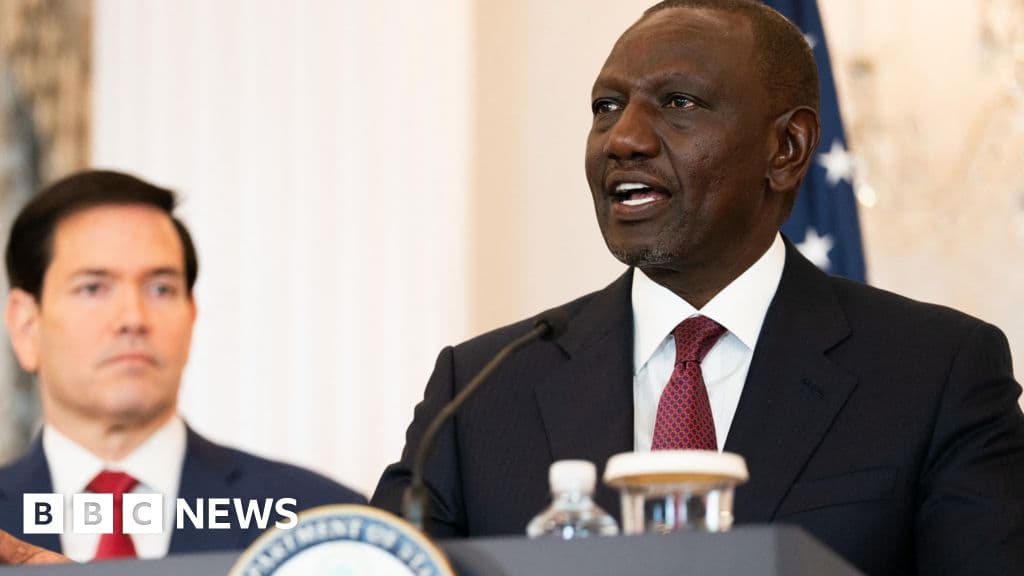
Kenya's court suspension of US health aid over data privacy isn't about privacy; it's a seismic shift in digital sovereignty and geopolitical leverage. Unpacking the real stakes.
Key Takeaways
- •The suspension is less about patient rights and more about national control over sensitive citizen health datasets.
- •Kenya's action creates a diplomatic opening that China is poised to exploit as an alternative technology partner.
- •Expect the US to counter by pushing for infrastructure control (software standards) rather than direct data access.
- •This sets a global precedent for data localization and challenges traditional Western-led global health funding models.
The Data War: Why Kenya Just Shot Down the $100M US Health Aid Deal (And Who Really Benefits)
Stop believing the official narrative. When a Kenyan court suspended a massive US health aid agreement citing **data privacy concerns**, the headlines focused on compliance and patient rights. That’s the surface noise. The **geopolitical data** reality is far more complex. This isn't just about HIPAA compliance; it’s about **digital sovereignty** and the ultimate prize in 21st-century power plays: control over national health datasets. ### The Suspicion: Sovereignty vs. Surveillance The aid package, channeled through PEPFAR or similar initiatives, often involves the transfer of vast amounts of sensitive citizen health data back to the funding nation—in this case, the United States. For Washington, this data is invaluable for tracking disease outbreaks, assessing program efficacy, and maintaining long-term influence. For Nairobi, housing this data on foreign servers feels less like partnership and more like digital colonization. The **Kenyan court** ruling is the first major, public blow against the accepted model of Western-funded global health initiatives. It signals a growing global fatigue with the implicit bargain: funding in exchange for access. The unspoken truth here is that local elites are beginning to realize that the data itself—the aggregated patterns of an entire population's health—is a strategic asset more valuable than the immediate infusion of cash. ### The Unspoken Winners and Losers Who truly wins? **China.** Beijing has aggressively positioned itself as the alternative partner offering technological infrastructure without the perceived 'strings' of Western data oversight. By creating friction with the US, Kenya inadvertently opens the door wider for Chinese digital infrastructure investment, which often prioritizes speed and deployment over granular privacy audits. This ruling hands Beijing a massive PR victory: look, even US allies are questioning the Western model. Conversely, the immediate losers are the Kenyan citizens relying on the suspended programs—HIV/AIDS treatment, maternal care, etc. The suspension creates a dangerous vacuum. The US government, feeling rebuffed, may slow-walk future negotiations or impose stricter, more burdensome compliance regimes. The **health data** landscape becomes fragmented, slowing down essential cross-border health intelligence. ### The Future of Digital Diplomacy The deep analysis here moves beyond bilateral aid. This is a bellwether for how developing nations will interact with global powers in the age of Big Data. We are witnessing the hardening of digital borders. Nations are demanding data localization—storing their citizens’ data within their own physical and legal jurisdictions. This trend will disrupt the business models of every multinational corporation, NGO, and intelligence agency that relies on free-flowing global data streams. **What Happens Next?** My prediction is that this is a temporary setback for the US, not a permanent defeat. Expect aggressive diplomatic maneuvering behind closed doors. The US will likely pivot away from direct data transfer demands and instead offer technology transfer and capacity building—essentially, helping Kenya build its *own* secure servers capable of housing the data, but managed using US-developed software standards. This allows the US to save face, comply with the court order, and maintain long-term technical influence over the infrastructure. The aid won't stop; the *terms* of engagement will become far more adversarial and legally complex. We will see more countries follow Kenya’s lead, demanding data escrow agreements. This battle over **health aid** is simply the first skirmish in the global war for data ownership. Ignore the privacy rhetoric; focus on the infrastructure control.Gallery





Frequently Asked Questions
What specific health programs were affected by the Kenyan court suspension?
The suspension primarily targeted agreements related to US-funded health initiatives, often involving data sharing mechanisms crucial for monitoring HIV/AIDS, malaria, and other public health efforts managed under bilateral agreements.
Why is health data considered a strategic geopolitical asset?
Health data provides unparalleled insights into a population's long-term vulnerability, disease prevalence, and response capabilities. Controlling this data grants significant leverage in security, economic planning, and maintaining influence over a nation's public health trajectory.
What is 'data sovereignty' in this context?
Data sovereignty is the principle that data is subject to the laws and governance structures of the nation where it is collected and stored. Kenya is asserting that its health data must remain under Kenyan legal jurisdiction, free from foreign mandates.
How might this impact future US foreign aid distribution?
Future aid packages are likely to include more stringent, legally binding data localization clauses or shift funding mechanisms to minimize direct data transfer, potentially slowing down data-driven program assessments.
