The Compression Sock Conspiracy: Why Your Doctor Isn't Telling You Who Really Profits From Tight Legs

Forget the mild relief. We dissect the massive market behind compression socks, who profits, and the inconvenient truth about their necessity.
Key Takeaways
- •The compression sock market thrives by medicalizing normal fatigue and mild swelling, moving beyond true medical necessity.
- •True medical-grade compression requires caution; improperly used low-grade socks may create dependency rather than solving underlying issues.
- •The industry profits heavily from fear of vascular problems, turning a medical aid into a mass-market lifestyle accessory.
- •The most effective, low-cost intervention for general leg soreness remains simple movement and elevation.
The Unspoken Truth: Compression Socks Are Big Business, Not Just Big Health
The narrative around compression socks is overwhelmingly benign: a simple garment to help circulation, fight fatigue, and prevent swelling. Mainstream health outlets like Harvard Health present them as a helpful tool for travelers or those standing all day. But let’s pull back the curtain on this multi-billion dollar industry. The real story isn't about your tired calves; it’s about market saturation and the aggressive medicalization of normal bodily functions. We need to talk about venous insufficiency and the fine line between legitimate medical necessity and lifestyle creep.
The core function—graduated pressure to assist venous return—is medically sound. For diagnosed conditions like chronic venous insufficiency or post-thrombotic syndrome, these garments are essential. However, the market has exploded far beyond the hospital discharge papers. Now, everyone from marathon runners to office workers is being sold a narrative that their legs are inherently failing without external mechanical assistance. This shift turns a prescription aid into an over-the-counter lifestyle accessory. The real winner here isn't the patient; it's the manufacturers producing millions of these specialized textiles.
Analysis: The Medicalization of Mild Discomfort
Why the sudden omnipresence of leg circulation aids? It’s simple economics meeting modern anxiety. As populations age and awareness of vascular health increases, fear of DVT (Deep Vein Thrombosis) drives sales. But true medical-grade compression (often 20-30 mmHg or higher) requires a prescription for a reason: improper use can cause harm, restricting blood flow rather than assisting it. The irony is that the readily available, lower-grade socks sold everywhere might provide a placebo effect or marginal benefit for mild swelling, but they encourage dependency.
The contrarian view? For the healthy individual experiencing mild evening soreness after a long flight or shift, the most effective intervention remains the oldest: **movement**. Walking, stretching, and elevating the legs cost nothing and require no specialized apparel. We are swapping active physiological responses for passive textile solutions. This dependency dilutes the seriousness of genuine vascular disease.
What Happens Next? The Smart Textile Future
Prediction: The next phase of this market won't be about static compression. We are moving toward 'smart compression.' Expect wearable tech integration where garments monitor localized blood flow or oxygen saturation and dynamically adjust pressure via embedded micro-pumps or responsive polymers. This will be marketed as 'personalized circulation optimization.' While technically advanced, this only further entrenches the idea that the body cannot regulate itself without constant technological oversight. The true disruptor won't be better socks; it will be radically better public health education emphasizing movement over mechanical aids.
The mainstream conversation needs to shift from 'Which socks should I buy?' to 'Am I moving enough?' Until then, the compression sock industry will continue its lucrative expansion, marketing peace of mind one tight ankle at a time.
Gallery
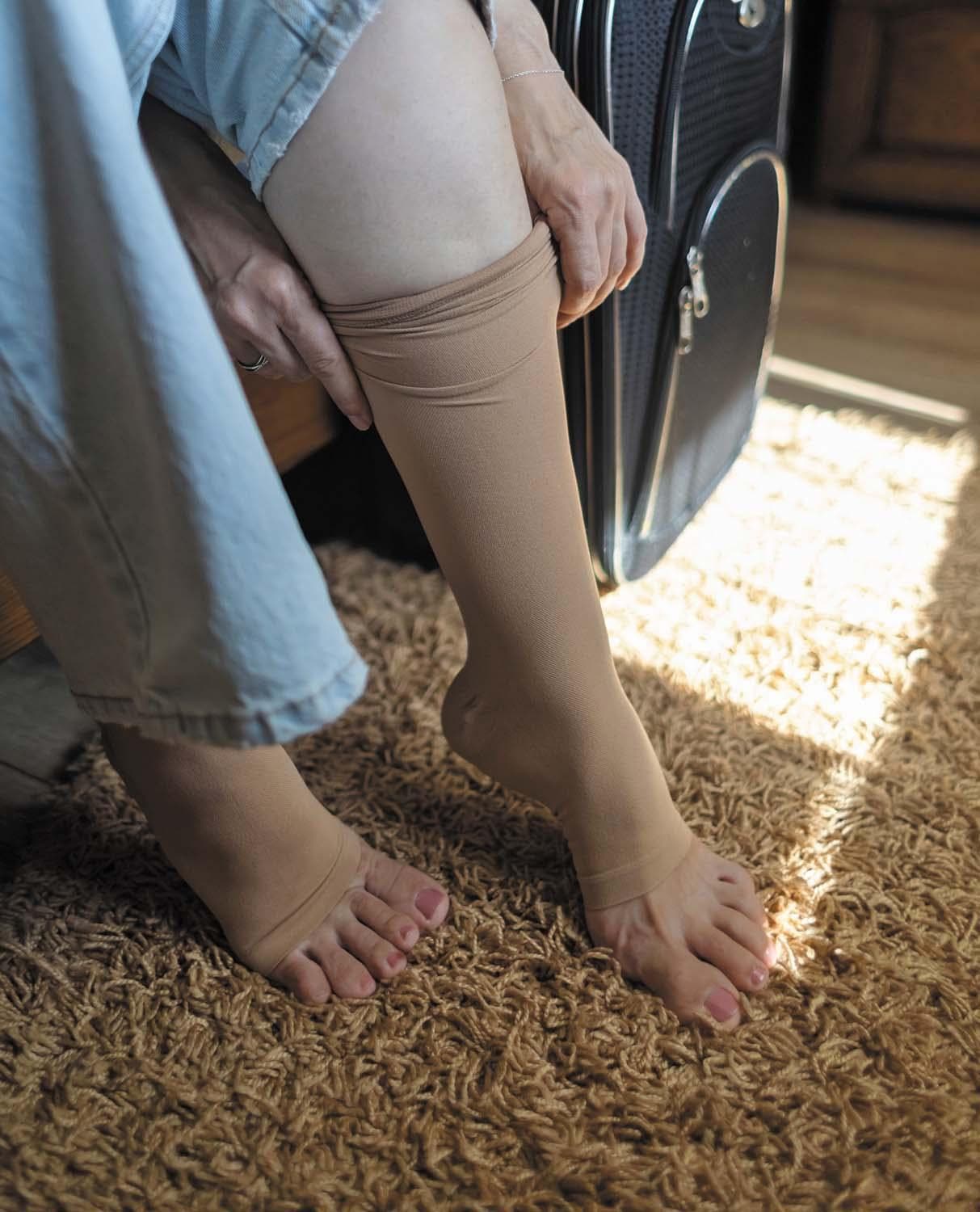


Frequently Asked Questions
Are over-the-counter compression socks effective for healthy people?
For healthy individuals with no diagnosed circulatory issues, the benefits of mild compression socks are marginal and often psychological. Regular movement and elevation are generally superior for mild fatigue.
What is the difference between medical-grade and athletic compression socks?
Medical-grade compression (often 20-30 mmHg or higher) is rigorously tested and prescribed for specific conditions like DVT or severe edema. Athletic socks usually offer lower pressure (8-15 mmHg) and focus more on perceived recovery and comfort.
Can wearing compression socks incorrectly cause harm?
Yes. Socks that are too tight, especially if they bunch up or restrict flow at the top (the thigh or calf), can actually impede venous return and potentially increase the risk of circulation issues if worn incorrectly or for too long without medical oversight.
What are the primary conditions that genuinely require compression stockings?
Primary indications include Chronic Venous Insufficiency (CVI), post-thrombotic syndrome, varicose veins, and significant lymphedema management. Always consult a vascular specialist for diagnosis.

DailyWorld Editorial
AI-Assisted, Human-Reviewed
Reviewed By
DailyWorld Editorial