The Cold Truth: Why Amber Health Alerts Are The Silent Weapon Against The Energy Poor
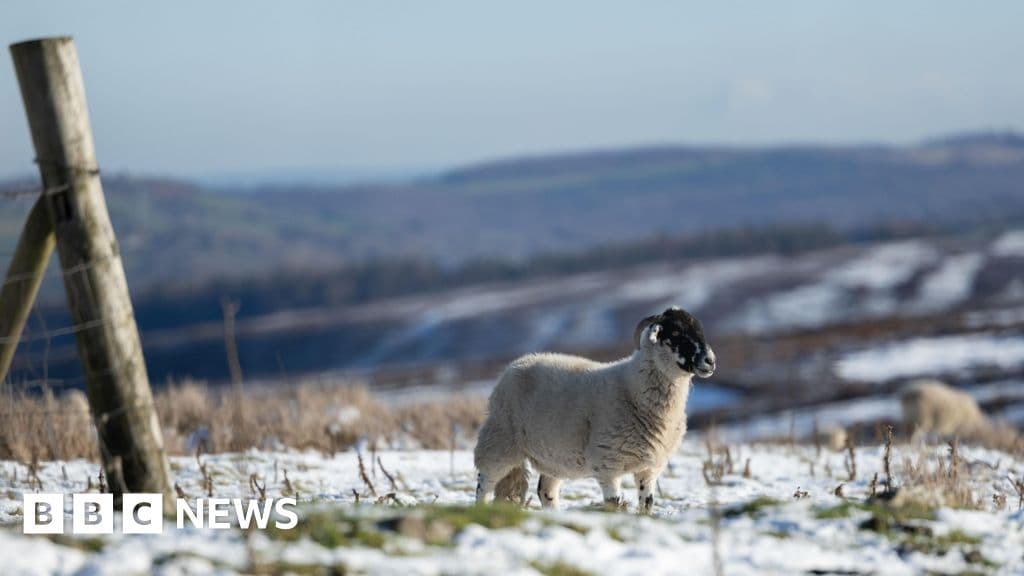
As cold weather grips the UK, the amber health alert isn't just about warmth; it’s a stark economic indicator exposing deep societal fault lines.
Key Takeaways
- •The amber health alert masks a deeper, systemic energy poverty crisis, not just a weather event.
- •The current reactive response shifts financial burden onto vulnerable individuals instead of fixing housing stock.
- •Failure to invest in insulation is costing the economy billions annually in excess winter mortality and NHS strain.
- •Expect further market volatility and potential utility company collapses before structural reform is forced.
The Unspoken Truth: It's Not Just Weather, It's Wealth Warfare
The headlines scream cold weather and health alerts. Predictable, routine warnings for the transition into the New Year. But beneath the veneer of public service announcements lies a far more insidious story: the annual, predictable, and entirely preventable catastrophe facing the UK’s most vulnerable. The amber alert isn't a warning about frostbite; it’s a flashing red light on systemic failure and wealth inequality. Who truly benefits when we panic about the cold? Not the elderly shivering in poorly insulated homes, but the energy conglomerates banking record profits.
The Anatomy of a Manufactured Crisis
We are repeatedly told to “wrap up warm.” This advice, while seemingly benign, shifts the burden of responsibility entirely onto the individual. The real issue isn't the temperature; it’s the cost of mitigating that temperature. The UK’s energy infrastructure remains a political football, leaving millions facing impossible choices between heating and eating. This cyclical crisis is a feature, not a bug, of an energy market heavily tilted toward shareholder returns. The UK winter health crisis is fundamentally an economic crisis dressed in meteorological clothing. Look at the soaring wholesale gas prices; the weather is merely the trigger for the margin calls.
The forgotten demographic here are the 'hidden poor'—those just above the threshold for state aid but deep below the poverty line necessary to afford modern energy efficiency standards. They are the ones quietly cycling through illnesses that strain the already buckling NHS. This pattern is repeating year after year, yet comprehensive national insulation programs remain perpetually underfunded.
Deep Dive: The Cost of Inaction
When the focus remains solely on immediate health advisories, we ignore the long-term economic drag. Excess winter deaths are not just a tragedy; they are a massive drain on productivity and public spending. Economists estimate the true cost of excess winter mortality runs into the billions annually. This isn't just about keeping warm; it’s about maintaining a functioning workforce and reducing strain on the National Health Service (NHS). The current reactive strategy—issue an alert, hope for the best—is fiscally irresponsible. We need to stop treating the symptoms of energy poverty and start treating the disease of inadequate housing stock. This is where serious political capital should be deployed, not just reactive social media campaigns.
What Happens Next? The Prediction
Expect the next wave of energy price volatility to hit within 18 months, regardless of geopolitical stability. Why? Because the current regulatory framework allows price gouging to continue under the guise of 'market correction.' My bold prediction: We will see the first major utility company publicly declare insolvency due to bad hedging bets, triggering a government bailout that will dwarf previous interventions. This will finally force a genuine, politically painful conversation about nationalizing core energy transmission, or face total public distrust in the sector. Until then, expect higher bills and more frequent, albeit temporary, cold weather warnings used to distract from structural failures.
The true test of a developed nation isn't how quickly it can issue an amber alert, but how effectively it can ensure its citizens don't freeze in their own homes. The current performance is failing.
Gallery


Frequently Asked Questions
What is the difference between a yellow and an amber health alert in cold weather?
A yellow alert typically means there is an increased risk to health, advising people to check on vulnerable neighbors. An amber alert signifies a higher risk, suggesting that the effects are likely to be felt across the wider population, often leading to increased hospital admissions or significant disruption.
What are the primary health risks associated with prolonged cold exposure in the UK?
The main risks include hypothermia and increased risk of cardiovascular and respiratory problems, such as strokes and heart attacks, due to the body constricting blood vessels to conserve heat. For more on cold-related health risks, consult the UK Health Security Agency guidance.
Why are energy prices so volatile in the UK despite government intervention?
Volatility stems from the UK's reliance on imported natural gas, complex hedging strategies by suppliers, and aging infrastructure. While caps exist, wholesale market fluctuations still dictate the baseline price, allowing for significant swings when supply chains are stressed.
What is the long-term solution to UK energy vulnerability?
Long-term solutions involve massive, subsidized national retrofitting programs to improve home insulation (reducing demand) and significant investment in diverse, localized renewable energy generation (reducing reliance on volatile global gas markets).