The Chronotype Lie: Why Late Sleepers Are Being Blamed for a System That Hates Them
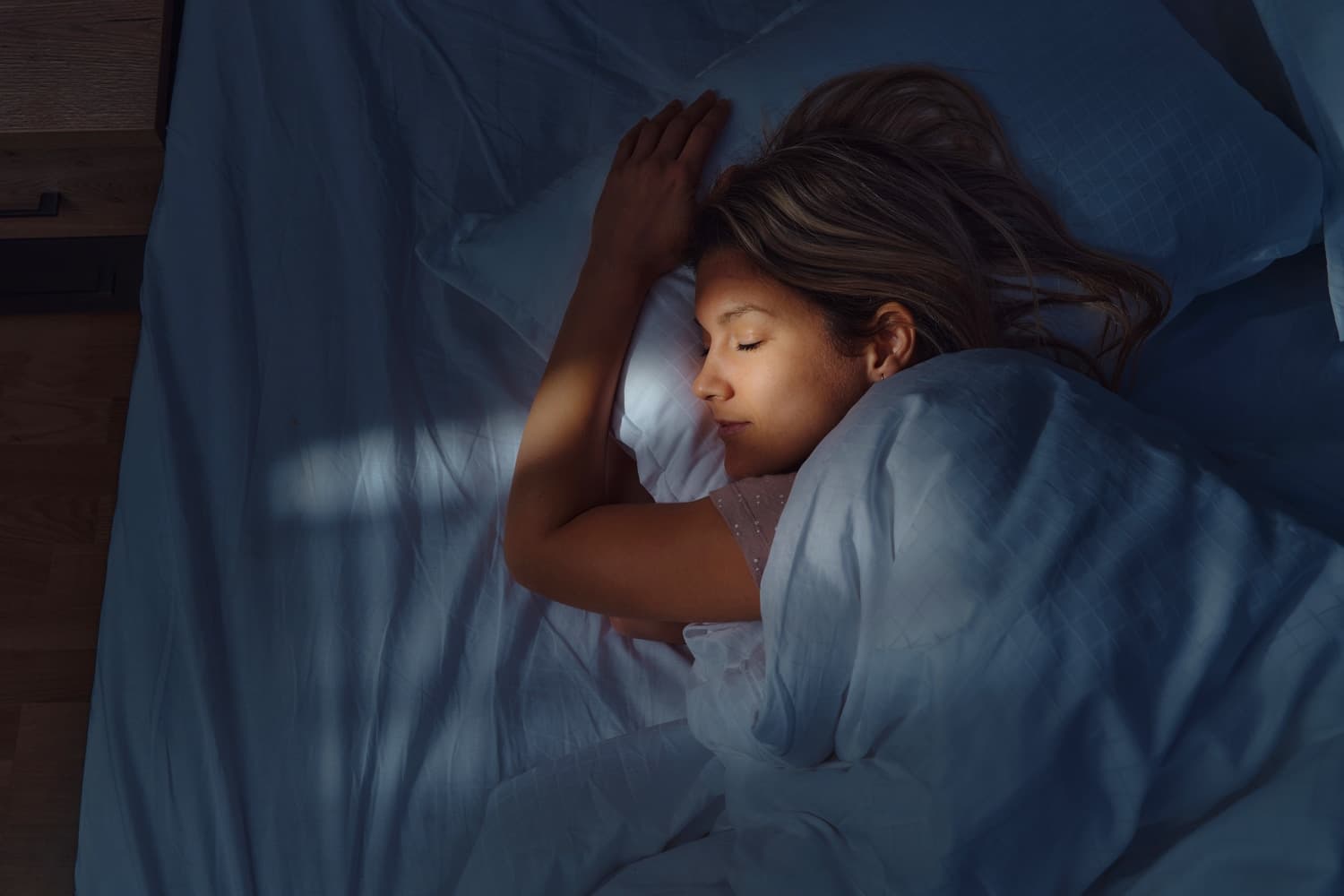
New heart health studies confirm the night owl bias. But the real culprit isn't melatonin—it's the 9-to-5 world.
Key Takeaways
- •The primary driver of poor health outcomes in night owls is likely 'social jetlag'—the stress of forced early waking—not the late bedtime itself.
- •Capitalism inherently favors early risers, creating a systemic bias against late chronotypes in career advancement.
- •Future labor battles will pivot on 'temporal autonomy' as workers demand flexibility aligned with their natural sleep cycles.
- •This is a public health issue demanding systemic workplace reform, not just individual habit changes.
The Chronotype Lie: Why Late Sleepers Are Being Blamed for a System That Hates Them
The headlines are predictably simplistic: night owls have worse heart health. Another study drops, another correlation is drawn, and suddenly, the inherent biological reality of a significant portion of the population is pathologized. We are talking about circadian rhythm science meeting the relentless demands of the modern economy. But before you start setting your alarm for 5 AM, stop. This isn't just about individual choices; it’s about a systemic war against anyone whose internal clock doesn't align with Wall Street trading hours.
The Unspoken Truth: Social Jetlag is the Real Killer
The core finding—that night owls face increased cardiovascular risk factors—is likely true. But the analysis stops short of the crucial question: Why? The answer isn't simply that staying up late is inherently toxic. The answer is social jetlag. Most studies fail to adequately isolate the biological chronotype from the societal constraints placed upon it. The late sleeper isn't suffering because they watch TV until 1 AM; they are suffering because they must wake up at 6 AM for a job that demands peak performance at 9 AM. This constant, forced misalignment—living by the sun in a world built for larks—is the true cardiac stressor.
Who benefits from this narrative? The productivity industrial complex. By framing the issue as a personal failing of 'willpower' or 'poor habits' among night owls, corporations avoid confronting the inflexibility of the 20th-century work model. The **heart health** crisis among night owls is a symptom of an economically optimized society that demands synchronous wakefulness, regardless of biology. This is a massive cultural bias, not just a minor health footnote.
Deep Dive: The Economics of Early Rising
Historically, early rising was tied to agrarian schedules. In the Information Age, the early bird gets the opening slot on the global market, securing prime communication windows. The entire structure of modern capitalism rewards those operating in the early daylight hours. This creates a feedback loop where late chronotypes are systematically penalized in education, career advancement, and even social synchronization. We are seeing a clear stratification: the elite can often afford to tailor their schedules (remote work, flexible hours), while the service and essential sectors are forced into rigid structures that punish their natural sleep cycles. This isn't about sleep duration; it's about the stress of perpetual temporal dissonance.
Consider the implications for public health policy. If we acknowledge that 30-40% of the population are true night owls, forcing them into a lark's schedule is equivalent to forcing them to live in a permanent, low-grade state of jet lag. This is a public health issue demanding systemic solutions, not just better alarm clocks. For more on the impact of sleep on overall wellness, see the work done by the National Sleep Foundation.
What Happens Next? The Prediction
The next five years will see a severe bifurcation in the labor market directly tied to chronotype accommodation. Companies that refuse to integrate flexible scheduling or adopt asynchronous work models will hemorrhage top talent—especially in creative and technical fields where peak cognitive function is paramount. We will see the rise of 'Chronotype-Positive' employers offering genuine flexibility as a core recruitment benefit, effectively creating a two-tiered employment system based on who can afford to obey their own biology. The fight for better circadian rhythm alignment will become the next major labor movement, moving beyond hourly wages to demand temporal autonomy.
Gallery

Frequently Asked Questions
What is the difference between a 'night owl' and someone with poor sleep hygiene?
A true 'night owl' (evening chronotype) has a biologically later release of melatonin and a natural tendency to sleep and wake later, even on weekends. Poor sleep hygiene refers to voluntary behaviors like screen time or caffeine intake disrupting an otherwise flexible internal clock.
Are evening chronotypes truly biologically predisposed to heart problems?
Studies show correlations, but the mechanism is heavily debated. The consensus is shifting toward chronic misalignment (social jetlag) causing metabolic stress, rather than the timing of sleep itself being the sole biological risk factor.
Can you permanently change your chronotype?
While minor shifts are possible through rigorous light therapy and strict routine adherence, fundamentally altering a strong biological chronotype is extremely difficult and often unsustainable long-term, especially under conventional work schedules.
What are the key risk factors associated with late sleeping according to recent studies?
Recent research frequently points to higher rates of hypertension, higher BMI, and increased incidence of metabolic syndrome markers in those who are forced to wake early despite being natural night owls.
Related News

The Hidden Curriculum: Why Your Therapist's Degree Might Be Sabotaging Your Mental Health Recovery
The unspoken truth about mental health recovery training: professional backgrounds dictate outcomes. We analyze the deep bias in who truly benefits.

Forget the Marathon: The 60-Second Hack That Exposes Big Fitness's $50 Billion Lie
The new obsession with 'exercise snacks' isn't about health; it's about exploiting your attention span. Discover the real cost of micro-workouts.
