The Carbon Curtain: Why BP’s ‘Insidious’ Grip on the Science Museum Exposes UK Education’s Dirty Secret

The battle over BP's influence at the Science Museum isn't just about sponsorship; it’s about curricular control and the sanitization of energy history. Unpacking the hidden agenda.
Key Takeaways
- •The controversy centers on BP's funding shaping the Science Museum's narrative on energy and climate history.
- •This represents systemic 'curricular capture,' normalizing fossil fuel giants as future energy leaders.
- •The long-term prediction is a forced 'decoupling' of major cultural institutions from legacy carbon funding due to reputational risk.
- •Students are the ultimate losers, receiving a sanitized version of scientific and industrial history.
The Hook: Who Writes the History of Science?
When a corporation synonymous with the largest oil spills and decades of climate lobbying sponsors a national institution dedicated to scientific progress, we shouldn't be surprised by the outcome. The recent outcry against **BP’s influence** on the UK education system, specifically through its deep ties to the Science Museum, is not a novel ethical failing—it’s the predictable climax of decades of corporate capture. The unspoken truth here is that this isn't about a few misleading exhibits; it’s about **curriculum capture** and establishing a narrative where fossil fuels are not the problem, but the inevitable, heroic solution. This is about manufacturing consent from the classroom up, a chilling example of modern industrial lobbying.
The core of the accusation, levied by activists and academics, is that BP’s funding subtly steers the museum’s educational outreach, particularly concerning climate change and energy transition. While the museum champions innovation, critics argue the narrative invariably downplays the historical role of oil giants in the climate crisis, instead pivoting rapidly to a sanitized vision of 'future energy' often funded or framed by the very companies responsible for the legacy pollution. We are witnessing **corporate capture** in real-time, disguised as public service.
The Deep Dive: From Sponsorship to Subversion
Why does this matter beyond the walls of South Kensington? Because the Science Museum is not merely a tourist attraction; it is a primary touchpoint for millions of students absorbing foundational scientific understanding. For young minds learning about energy systems, the implicit message becomes clear: the architects of the fossil fuel economy are also the saviors of the future. This subtle framing is far more effective than any overt advertisement. It normalizes the status quo.
Consider the irony: institutions meant to foster critical thinking are instead becoming conduits for corporate public relations. This practice isn't unique to BP or the Science Museum; it’s a systemic issue across Western cultural institutions. When funding dries up, institutions become dependent. Dependency breeds editorial compromise. The real losers here are the students who deserve an unvarnished view of scientific history, including the ethical failures of major industries. We must look closely at the financial flows—the amount BP pours into these educational channels dwarfs grassroots environmental education funding, creating a severe imbalance in the marketplace of ideas. For context on the scale of corporate influence in science communication, one might review the history of lobbying efforts detailed by organizations tracking corporate accountability [link to a reputable source like the Center for Corporate Policy or a major news investigation].
The Prediction: The Great Decoupling
What happens next? The pressure on institutions like the Science Museum will only intensify, leading to a necessary, albeit painful, **decoupling**. We predict a critical mass will be reached within three years where the reputational risk of accepting major fossil fuel funding outweighs the financial benefit. Major cultural bodies will begin aggressively diversifying their sponsorship portfolios, actively seeking funding from renewable energy sectors, tech giants (though they bring their own issues), and sovereign wealth funds less tied to legacy carbon assets. This shift will be driven less by sudden moral awakening and more by the realization that Gen Z consumers and future government funding streams demand transparent alignment with climate goals. The current model of corporate sponsorship in public science education is unsustainable; the only question is how quickly the boardrooms will react to the inevitable public backlash.
The fight for scientific integrity is now a fight over the museum’s ledger book. The battle over **BP’s influence** is just the opening salvo in a much larger war for narrative control in the age of climate transition. The future of objective education hinges on whose logos are allowed on the exhibits.
Gallery


Frequently Asked Questions
What exactly is BP accused of doing at the Science Museum?
BP is accused of using its significant sponsorship funding to exert 'insidious influence' over the museum's exhibits and educational programming, allegedly steering the narrative away from the negative impacts of fossil fuels and towards a favorable view of their role in the future energy transition.
Why is corporate sponsorship in science education considered controversial?
It becomes controversial when the sponsor has a documented history of actions (like major environmental damage or climate lobbying) that conflict with the institution's educational mission. It raises concerns about conflicts of interest and whether the curriculum is being shaped by commercial interests rather than objective scientific consensus.
What does 'curriculum capture' mean in this context?
Curriculum capture refers to the process where large corporations or special interest groups subtly influence the educational content presented to the public, ensuring that the material aligns with their commercial or ideological goals, often at the expense of critical analysis.
Are other museums facing similar issues regarding energy sponsors?
Yes, this is a widespread issue. Many major cultural and scientific institutions globally face intense scrutiny and protests regarding partnerships with fossil fuel companies, tobacco firms, and other controversial industries seeking to burnish their image through cultural association.
Related News
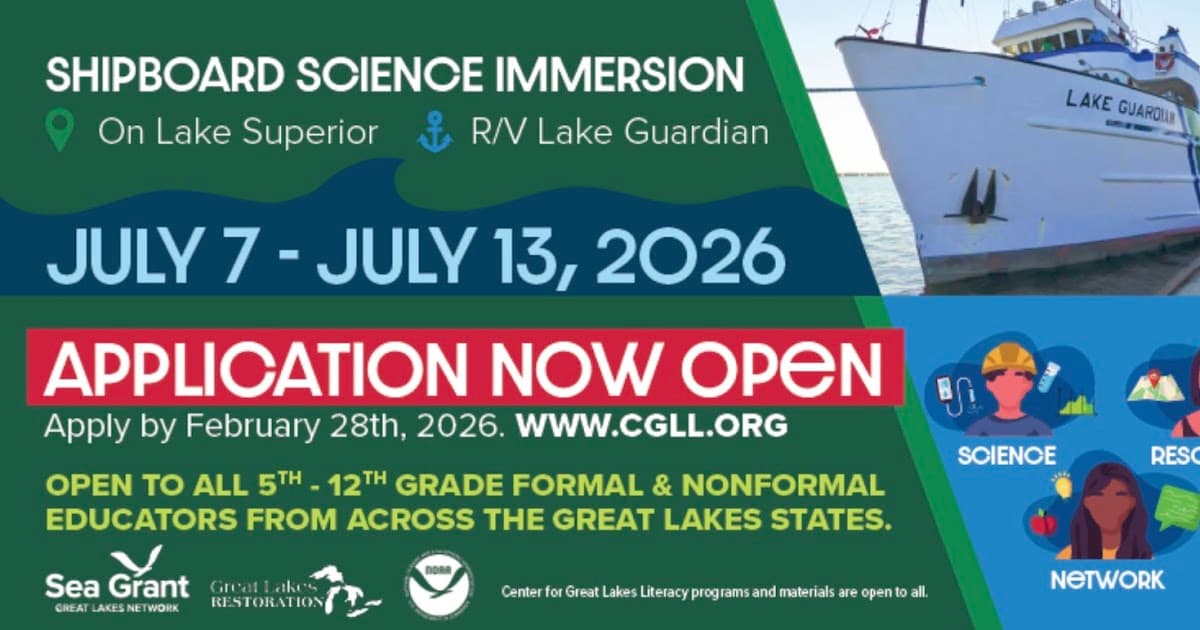
The EPA's Lake Superior Ship is a Trojan Horse: Why Educator Cruises Are the Real Battleground for Water Policy
Forget classroom field trips. This EPA shipboard science immersion reveals the hidden war over Great Lakes data and future environmental regulation.

The Real Target Isn't Climate Science—It's Government Funding Dependence: Unmasking the NCAR Budget Attack
The political assault on NCAR isn't about data; it’s a calculated power play against federal science funding independence. Analyze the hidden agenda.

The APE Award Isn't About Science, It’s About Who Controls the Narrative (And Why You Should Care)
Dr. Anita Bandrowski's APE Award signals a seismic shift in **scholarly communication** and **research integrity**. But who really benefits from this push for **transparency**?

DailyWorld Editorial
AI-Assisted, Human-Reviewed
Reviewed By
DailyWorld Editorial