The Brooklyn Park Health Hub: Is This Local 'Fix' Hiding a National Crisis in Plain Sight?
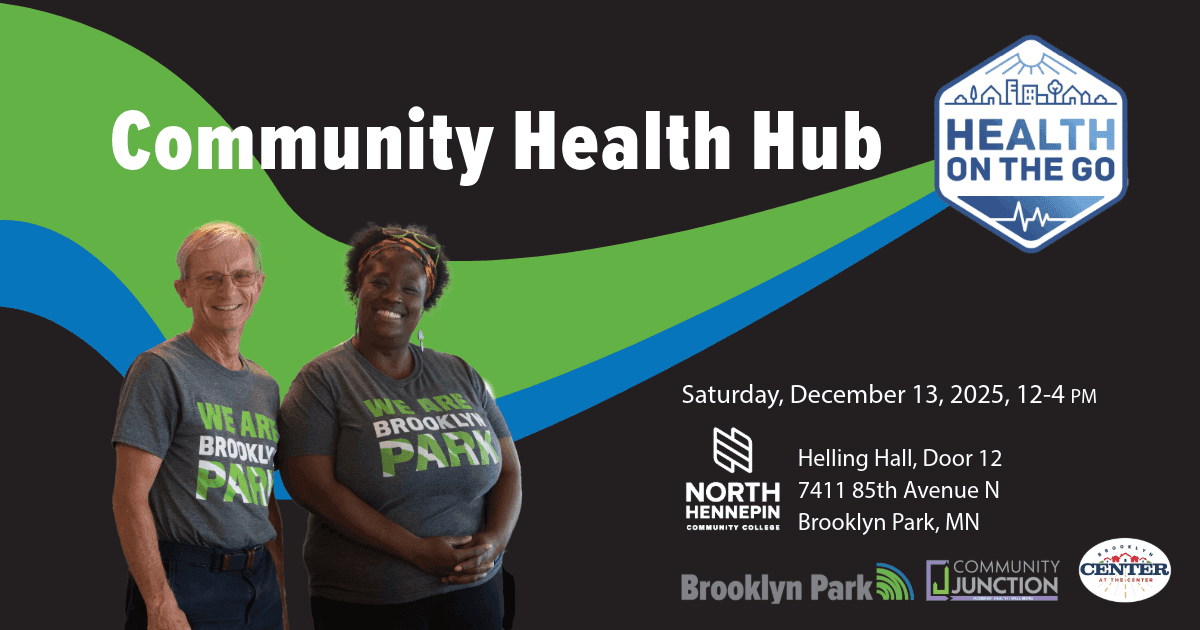
The Brooklyn Park Community Health Hub promises accessible care, but we analyze the hidden costs of decentralized healthcare and what it means for public health equity.
Key Takeaways
- •The 'Health on the Go' initiative masks the systemic failure of centralized healthcare infrastructure.
- •The model provides episodic relief but fails to offer the continuity required for chronic disease management.
- •This decentralization is a political win that avoids the difficult, long-term funding required for permanent facilities.
- •Expect private entities to monetize the gaps created by these temporary public health solutions.
The Brooklyn Park Health Hub: Is This Local 'Fix' Hiding a National Crisis in Plain Sight?
The City of Brooklyn Park rolls out its 'Health on the Go: Community Health Hub' initiative, framing it as a triumph of local governance and accessible healthcare. On the surface, bringing crucial services directly to neighborhoods sounds like a win for public health equity. But let's pull back the curtain. This isn't just about mobile vans; it’s a microcosm of a massive, systemic failure in American healthcare infrastructure. When local municipalities have to resort to 'pop-up' clinics, it’s a flashing red warning sign that the centralized system has abandoned the communities that need it most.
The Unspoken Truth: Decentralization as a Symptom, Not a Cure
Who truly benefits from this hyper-localized approach? The residents gain temporary relief, certainly. But the long-term winner is the existing, often overburdened, hospital and insurance complex. By outsourcing basic preventative and immediate care to mobile units, the larger system avoids the political and financial capital required to build permanent, fully staffed facilities in underserved areas. This is **community health** management via triage. It ensures people don't immediately collapse on the street, thus preventing headline-grabbing crises, while simultaneously normalizing the absence of robust, permanent medical infrastructure.
The core issue isn't access; it's continuity of care. A 'Health on the Go' stop can check your blood pressure, but can it manage your chronic condition over five years? Can it coordinate complex specialty referrals? Rarely. This initiative brilliantly addresses the immediate, visible need while allowing the deeper structural rot—the lack of primary care physicians and the spiraling cost of healthcare access—to fester untouched.
Deep Analysis: The Political Economy of Pop-Up Medicine
The narrative sold is one of proactive community engagement. The reality is often political expediency. These hubs are excellent, measurable public relations wins for city councils. They demonstrate action without demanding difficult budget allocations for long-term solutions that might face NIMBY resistance or require complex state-level negotiations. We are trading sustainable infrastructure for episodic goodwill. Look at the data: major metropolitan areas across the US see similar trends. When federal and state funding for primary care dries up or becomes too bureaucratic, local governments implement these stop-gap measures. It’s a band-aid applied to arterial bleeding, disguised as innovation. For a deeper understanding of the national trend towards healthcare deserts, look at reports from organizations tracking primary care physician distribution, such as those cited by the Kaiser Family Foundation.
What Happens Next? The Prediction
The Brooklyn Park model, if successful in terms of patient volume, will be aggressively replicated across the Twin Cities metro and beyond. However, this success will create a dangerous precedent. Prediction: Within three years, these community hubs will become so essential that they will be leveraged by private entities—perhaps large pharmacy chains or specialized medical device companies—to establish long-term, subscription-based 'micro-clinics' adjacent to the city-run outreach points. The city will have inadvertently incubated a new tier of two-speed healthcare: basic public health services for the masses, and premium, immediate access for those who can afford to pay the private upcharge for continuity.
This isn't the future of healthcare; it's the future of managed inadequacy. The real fight isn't for a mobile van; it's for permanent, fully funded neighborhood clinics that can handle the complexity of modern chronic disease management.
Gallery

Frequently Asked Questions
What is the primary goal of the Brooklyn Park Community Health Hub?
The stated goal is to increase accessible, preventative, and immediate health services directly within various neighborhoods of Brooklyn Park, reducing barriers related to transportation and clinic location.
Is this type of mobile health service sustainable long-term?
While excellent for acute needs and outreach, experts question the sustainability and effectiveness of mobile services for managing complex, chronic health conditions that require consistent, long-term care coordination.
What are the biggest risks associated with relying on 'Health on the Go' programs?
The main risk is that these programs become a permanent substitute for investing in permanent, fully staffed primary care facilities, leading to a two-tiered system where only episodic care is available to vulnerable populations.
How does this relate to national trends in healthcare access?
It mirrors a national trend where rural and low-income urban areas become 'healthcare deserts,' forcing local governments to implement creative, often temporary, solutions because large-scale institutional investment has failed to materialize.
Related News
The 40-Year Illusion: Why ECU Health's Anniversary Hides a Looming Healthcare Crisis
Forty years of service sounds noble, but the real story behind ECU Health's milestone reveals the unsustainable strain on regional healthcare access and staffing.

The Quiet Coup: Why 'Community Health Networks' Are the Trojan Horse for Healthcare Centralization
Unpacking the mandate of Community Health Networks reveals a dangerous trend toward centralized control, not local care.

The Quiet War for Healthcare Talent: Why University Health Science Programs Are the New Battleground
Forget pharma hype. The real fight in modern healthcare isn't drugs; it's the looming shortage of skilled professionals, and university programs are the front lines.

DailyWorld Editorial
AI-Assisted, Human-Reviewed
Reviewed By
DailyWorld Editorial