The Battery Secret: Why ARENA's 'World First' Tech Isn't About Power, It's About Control
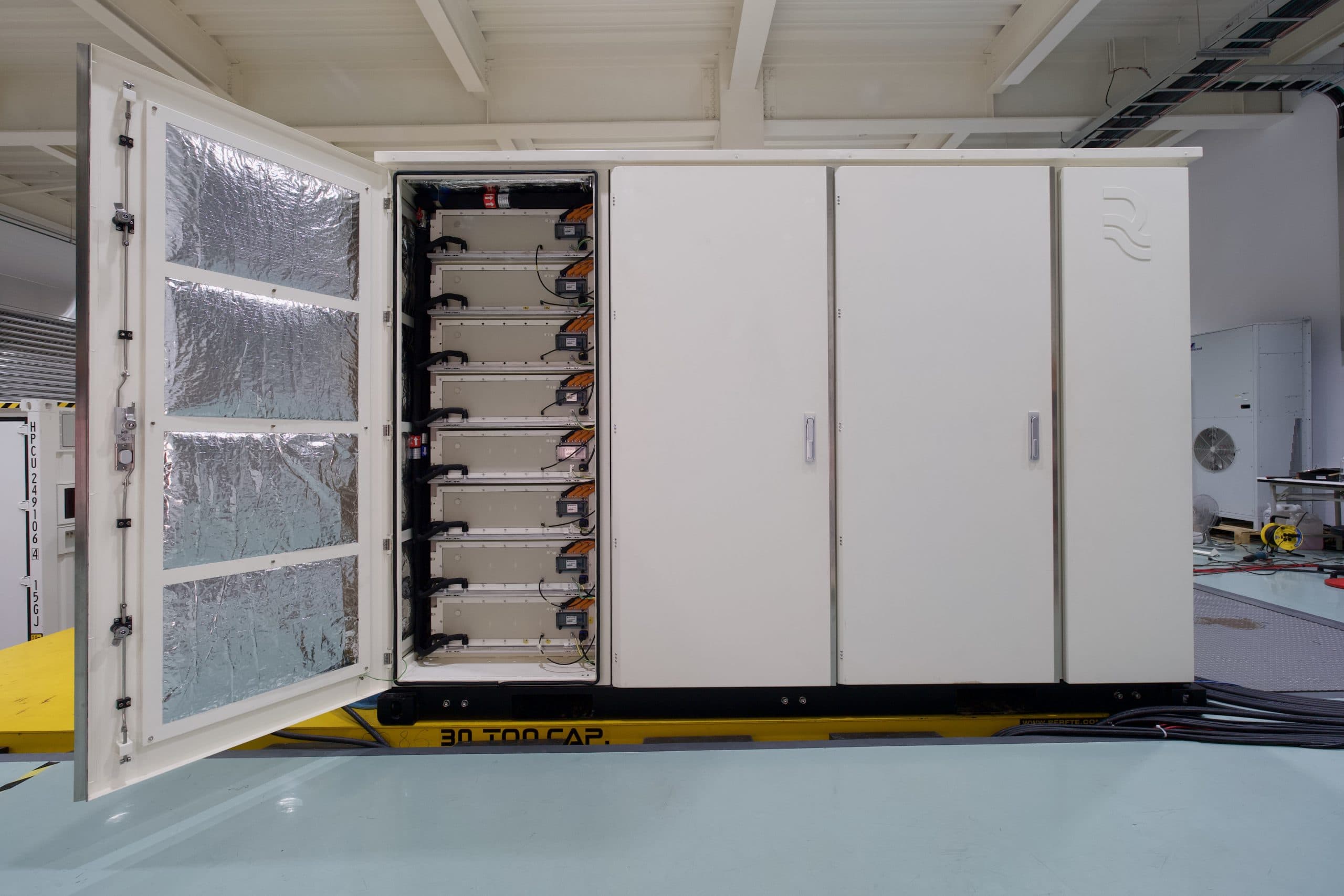
ARENA backs new battery storage, but the real story in renewable energy is the centralization of grid power.
Key Takeaways
- •ARENA's funding steers investment toward centralized, grid-integrated storage solutions.
- •The 'world first' label distracts from the underlying consolidation of energy market power.
- •True energy independence requires decentralized systems, which this funding model may inadvertently suppress.
- •The future is likely a two-tiered energy system favoring large utilities over individual consumers.
The Battery Secret: Why ARENA's 'World First' Tech Isn't About Power, It's About Control
The Australian Renewable Energy Agency (ARENA) just threw millions behind a supposed world first battery storage breakthrough. On the surface, it’s another win for renewables, another step toward grid independence. But peel back the glossy press release, and you find the unspoken truth: this isn't just about storing electrons; it’s about cementing control over the future energy market. The conversation around energy storage technology always misses the point. We celebrate the invention, but ignore the architect drawing the blueprint for the new power structure.
The technology in question—a novel approach to long-duration storage—is certainly innovative. It promises higher efficiency and potentially lower long-term costs than current lithium-ion giants. This is the narrative we are fed: technological progress equals democratization. But when government agencies like ARENA heavily subsidize specific proprietary systems, they aren't just de-risking investment; they are effectively choosing the winners in the nascent renewable energy revolution. This centralized funding mechanism creates choke points.
The Unspoken Truth: Who Really Wins?
The immediate winners are the innovators who secured the grant and the established utility players who will inevitably integrate this new tech into their existing infrastructure. The losers? The small-scale, decentralized, prosumer movement. True energy independence requires distributed, redundant systems—think community microgrids and household-level storage that operate outside the central utility sphere. This new 'world first' system, however impressive, still requires grid integration, meaning it serves the existing grid operator first and foremost.
We are trading one form of centralized fossil fuel reliance for another: centralized renewable infrastructure. While the fuel source changes, the power dynamic—who controls the flow and the price—remains suspiciously intact. This is a critical pivot point in the global energy transition that few analysts are willing to discuss publicly.
Deep Analysis: The Grid as the Ultimate Gatekeeper
Why does this matter in the grand scheme? Because energy is political power. Historically, whoever controls the energy source controls the economy. The push for mass storage, while necessary for intermittency management, is being executed in a way that reinforces the power of large-scale providers. If every new breakthrough must pass through regulatory hurdles and secure massive public funding, only the established players can scale fast enough. This stifles true, disruptive innovation from the bottom up. The investment in this specific energy storage technology signals a preference for grid stability over genuine consumer energy autonomy. Look at the historical context of infrastructure investment; it always favors consolidation. Global energy storage market trends confirm this centralization trajectory.
What Happens Next? The Prediction
My prediction is that while this specific technology will see successful deployment in utility-scale projects over the next five years, its high integration cost and necessary regulatory oversight will prevent meaningful penetration into the residential market. Instead, we will see a two-tiered system emerge: massive, subsidized, centrally controlled storage facilities, and a struggling, fragmented residential solar/storage market unable to compete on price or perceived reliability. The real breakthrough—the one that actually empowers consumers—will remain boutique, underfunded, and constantly fighting for regulatory inclusion. The next battle won't be about generating power; it will be about bypassing the grid entirely.
The images provided, showing sleek, cabinet-style hardware, reinforce this aesthetic: clean, controlled, and industrial. It looks like the future they *want* you to have, not necessarily the one you *need*.
Gallery

Frequently Asked Questions
What is the primary goal of the Australian Renewable Energy Agency (ARENA)?
ARENA's primary goal is to accelerate renewable energy development and deployment in Australia through strategic funding, grants, and partnerships to drive down costs and improve efficiency.
What makes this new battery storage technology 'world first'?
The technology is considered 'world first' due to its novel chemistry or engineering approach, often related to achieving longer duration storage capabilities or higher energy density than current mainstream lithium-ion solutions.
How does energy storage technology impact grid stability?
Energy storage technology stabilizes the grid by absorbing excess power when generation (like solar/wind) is high and dispatching it when demand peaks or generation drops, balancing supply and demand fluctuations.
What is the difference between centralized and decentralized energy storage?
Centralized storage involves large, utility-scale battery farms connected directly to the main transmission grid, managed by large operators. Decentralized storage involves smaller units at homes, businesses, or community microgrids, offering local resilience.
Related News

The 'Third Hand' Lie: Why This New Farm Tech Is Actually About Data Control, Not Just Sterilization
Forget the surface-level hype. This seemingly simple needle steriliser is the canary in the coal mine for agricultural technology adoption and data privacy.

Evolv's Earnings Whisper: Why the Q4 'Report' is Actually a Smoke Screen for a Security Reckoning
Evolv Technology's upcoming Q4 results aren't about revenue; they signal a massive pivot in the AI security landscape. The real story of **advanced security technology** is hidden.

The AI Scaling Lie: Why Google's 'Agent Science' Proves Small Teams Are Already Obsolete
Google Research just unveiled the science of scaling AI agents. The unspoken truth? This isn't about better chatbots; it's about centralizing control and crushing independent AI development.
