The Ashes Umpiring Scandal: Why Restoring Technology Is Actually a Win for Cheaters
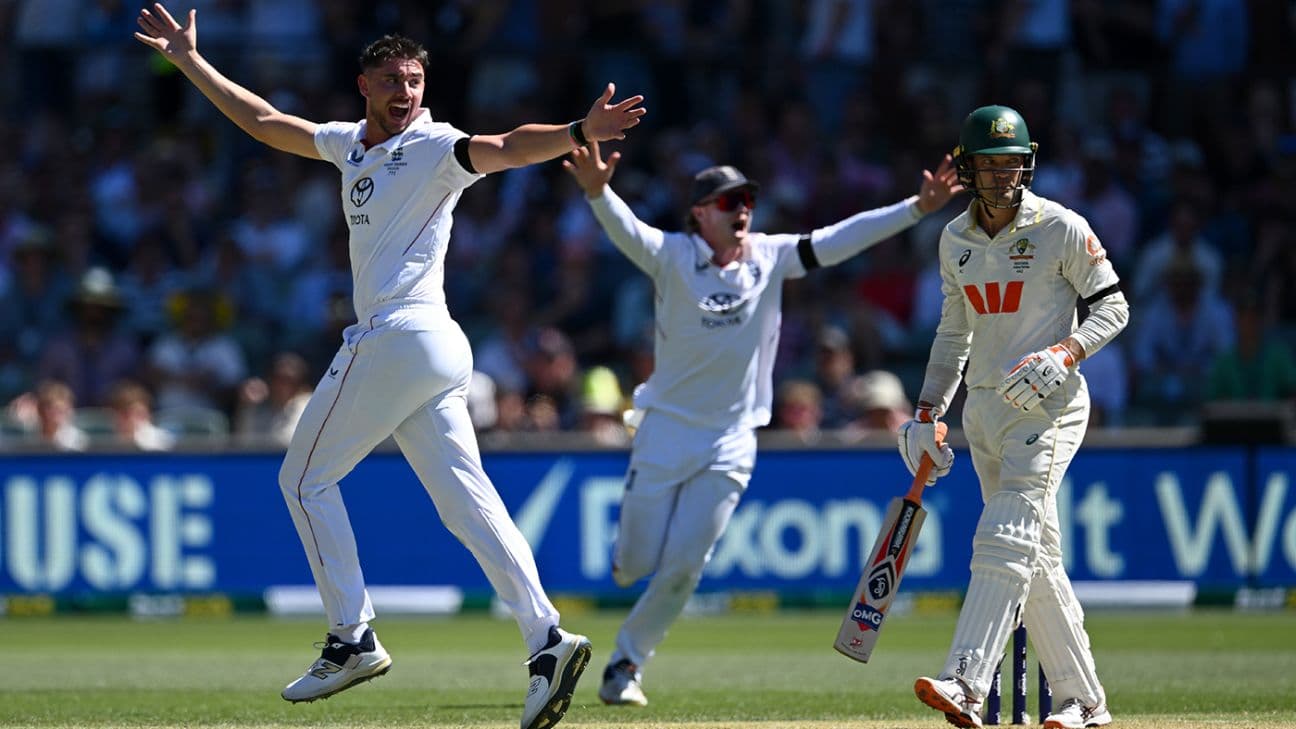
The Ashes technology failure exposed cricket's fragile reliance on DRS. We analyze the hidden cost of reinstating reviews.
Key Takeaways
- •The technology failure forced a temporary return to human-only umpiring, which administrators feared.
- •The system prioritizes broadcast certainty over genuine in-game decision-making.
- •Expect increased, costly technological redundancy as a direct result of this incident.
- •The incident highlights the growing gap between human judgment and algorithmic 'truth' in sports.
The Ashes Umpiring Scandal: Why Restoring Technology Is Actually a Win for Cheaters
Did you miss the real story behind the Ashes review reinstatement? It wasn't about fairness; it was about **accountability theatre**. When the Decision Review System (DRS) failed during a crucial appeal against Alex Carey, the immediate reaction was predictable: panic, outrage, and the hasty promise to fix the 'glitch.' But this incident, occurring deep into a high-stakes **Ashes 2025-26** series, reveals a far more sinister truth about modern sports: our addiction to infallible technology is making us worse judges of the game itself. The reinstatement of the review mechanism isn't a victory for accuracy; it’s a concession that administrators cannot afford the optics of human error.The Unspoken Truth: Accountability Through Obsolescence
The core issue isn't the momentary failure of the Hawk-Eye software or the ball-tracking hardware. The unspoken truth is that the very existence of DRS has eroded the authority of the on-field umpire. When technology is present, the umpire’s decision is merely a *suggestion* pending review. The Carey appeal failure, paradoxically, forced the system to revert to the old standard: the umpire’s call stands. For a brief, brilliant moment, human intuition was king. Yet, the administrators, terrified of the inevitable social media backlash regarding a potential series-defining error, immediately rushed to secure the technological safety net. This shows the hidden agenda: **preserve the illusion of perfection** at the cost of genuine in-game decision-making skill. This entire episode highlights the fragility of high-stakes **sports technology**.Deep Analysis: The Economics of Certainty
Why does this matter beyond the boundary rope? Because the investment in sports technology—millions poured into ultra-high-speed cameras and complex algorithms—is predicated on selling certainty to broadcasters and sponsors. If a crucial wicket falls or survives based on the naked eye, the narrative fractures. The technology failure was a multi-million dollar PR crisis waiting to happen. The governing bodies aren't defending the integrity of the game; they are defending the integrity of their multi-billion dollar broadcast contracts, which demand clean, binary outcomes. This reliance on **cricket technology** means that when it breaks, the entire edifice of trust crumbles faster than if the technology had never existed. For more context on the history of sports officiating, see the evolution discussed by organizations like the [International Cricket Council (ICC) official site](https://www.icc-cricket.com/about/governance/technical-committees).What Happens Next? The Great Devaluation
My prediction is bold: This technological wobble will lead to the **devaluation of the umpire**. Instead of investing in better human training—the kind that relies on angles and experience, rather than pixel density—boards will mandate even more invasive, expensive, and ultimately distracting tech overlays. We will see mandatory redundant systems, increasing the cost of hosting matches and further marginalizing the role of the decision-maker on the field. In five years, the on-field umpire will be little more than a glorified score-checker, waiting for the machine to validate their existence. This is the inevitable trajectory when we prioritize data over judgment. We are heading toward a system where the true 'appeal' is not to the third umpire, but to the server farm in London. For a look at the broader impact of automated systems in major sports, consider analyses from major publications like [The New York Times on sports automation](https://www.nytimes.com/).TL;DR: Key Takeaways
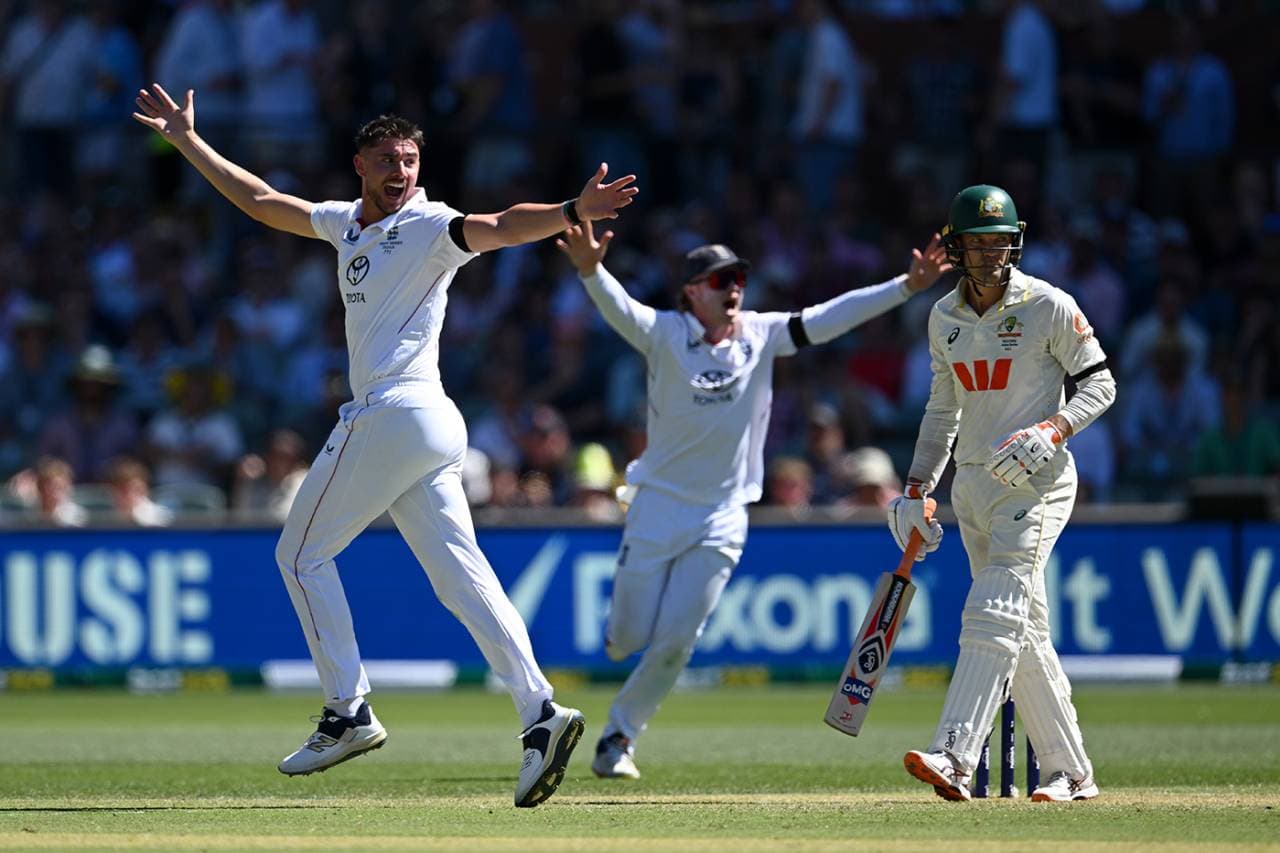
* The review reinstatement was driven by PR necessity, not sporting integrity. * The failure exposed the fragile dependence on **DRS technology** in modern cricket. * This incident accelerates the marginalization of the on-field umpire’s authority. * Future investment will focus on redundant systems, increasing operational costs. * The true loser is the inherent drama that comes from human fallibility (Source: [ESPNcricinfo analysis of past DRS controversies](https://www.espncricinfo.com/)).Gallery
Frequently Asked Questions
What exactly caused the technology failure during the Carey appeal?
The specific cause often cited in these incidents involves a breakdown in the ball-tracking software or the calibration of the ultra-edge microphone system, leading to inaccurate or non-existent data presentation to the third umpire.
Who benefits most when DRS technology fails in a high-profile match?
Administrators benefit by having a clear scapegoat (the technology provider) to deflect blame, allowing them to quickly restore faith in the overall system without admitting fundamental flaws in the decision-making structure.
Is the Decision Review System (DRS) actually cost-effective for cricket?
Economically, the high cost of implementing and maintaining sophisticated tracking systems is often justified by the increased broadcast appeal and sponsorship value that comes with the promise of near-perfect officiating, despite the occasional high-profile failure.
What is the history of technology use in cricket officiating?
The introduction of technology like Hawk-Eye and UltraEdge was gradual, starting in the early 2000s. It was initially controversial, much like the recent failures, but has become an indispensable, though imperfect, part of the modern game, as documented by bodies like the [Marylebone Cricket Club (MCC) Laws of Cricket overview](https://www.lords.org/mcc/the-laws-of-cricket/).


DailyWorld Editorial
AI-Assisted, Human-Reviewed
Reviewed By
DailyWorld Editorial