The Alzheimer's Lie: Why Your Gut Bacteria Are the Real Billion-Dollar Target
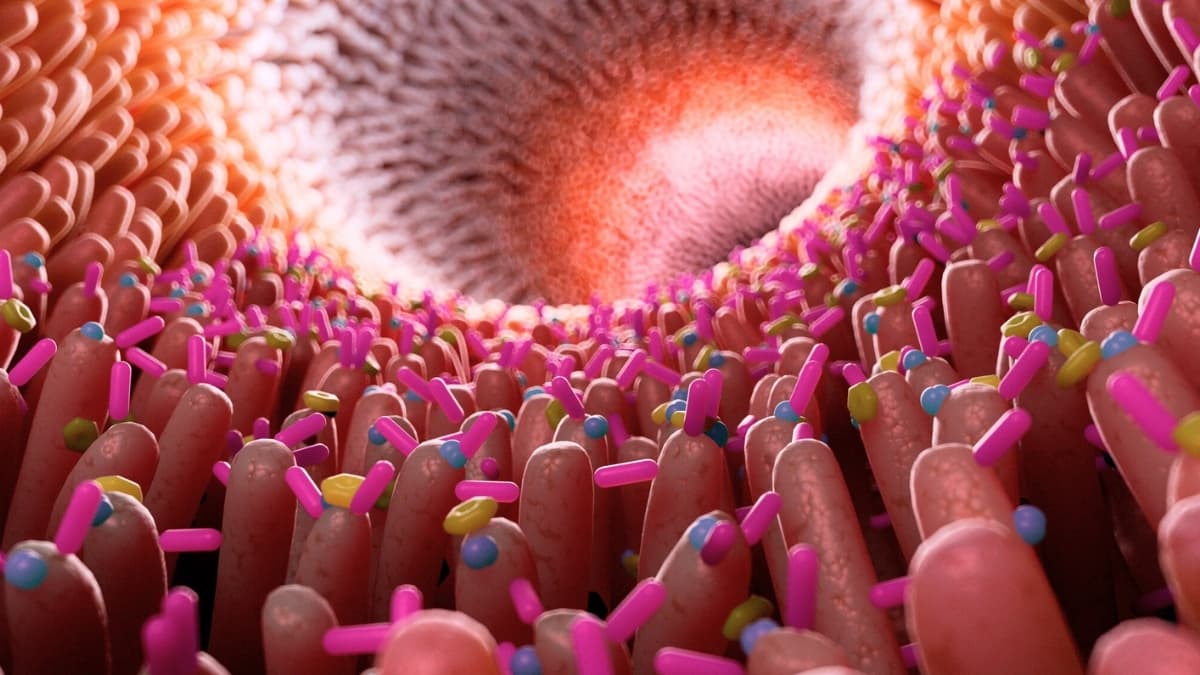
The gut-brain axis link to Alzheimer's is confirmed, but the real story is who profits from this microbial revolution in dementia research.
Key Takeaways
- •The confirmed link solidifies the gut-brain axis as central to Alzheimer's pathology, challenging decades of amyloid-focused research.
- •The real beneficiaries of this finding are likely microbiome biotech firms, not traditional pharmaceutical companies.
- •Chronic systemic inflammation originating in the gut is the suspected driver, making diet and microbial balance critical preventative factors.
- •Future treatments will pivot toward personalized probiotic/microbial therapies rather than purely neurological drugs.
The Alzheimer's Lie: Why Your Gut Bacteria Are the Real Billion-Dollar Target
Stop obsessing over amyloid plaques for a moment. The latest confirmation linking chronic **gut inflammation** to the onset of Alzheimer's disease isn't just another incremental science step; it’s a seismic shift that exposes the fundamental flaws in decades of neurological research. For years, the pharmaceutical giants bet the farm on clearing toxic proteins from the brain. Now, the evidence screams louder: the battlefield isn't the skull; it’s the colon. This isn't just about **dementia research**; it’s about a massive pivot in healthcare spending and who controls the future of cognitive health.
The Unspoken Truth: Pharma's Missed Bet
Every time a study reconfirms the gut-brain axis—that inflammatory signals originating in the intestines travel to the brain, accelerating neurodegeneration—it serves as a massive indictment of the current Alzheimer's drug pipeline. Why is this underplayed? Because pharma companies have billions tied up in trials targeting beta-amyloid. Admitting the primary driver might be systemic inflammation—a concept far easier to influence via diet, lifestyle, or targeted microbiome manipulation—would render those expensive compounds nearly obsolete. The real winners here aren't the drug developers; they are the emerging biotech firms specializing in personalized probiotics and fecal transplants. They understand that curing **Alzheimer's disease** might require a stool sample, not an IV drip.
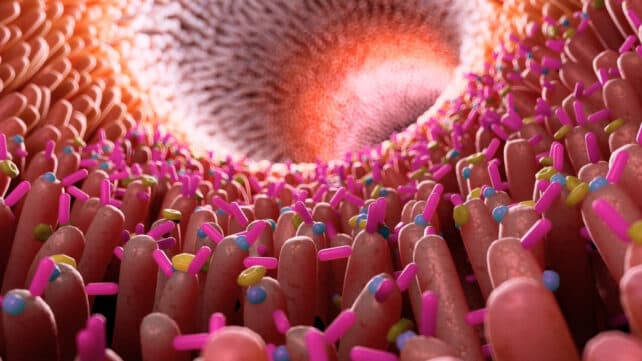
The mechanism is brutally simple: a leaky gut allows bacterial byproducts (like LPS) to enter the bloodstream. These molecules cross the blood-brain barrier, triggering microglial activation and chronic inflammation—the perfect breeding ground for amyloid and tau pathology. We’ve been treating the smoke (plaques) while ignoring the fire (dysbiosis).
Deep Analysis: The Economics of the Microbiome
This shift fundamentally alters the economics of aging. Treating Alzheimer's as a centrally located brain disease allowed for high-cost, patented pharmaceutical intervention. Treating it as a systemic, gut-driven condition opens the door to preventative, lower-cost, and potentially scalable non-patentable solutions. This forces a confrontation between Big Pharma and the burgeoning field of nutritional psychiatry and functional medicine. Who wins? The patient initially, perhaps, but the lobbying power remains with those who sell high-margin, chronic maintenance drugs.
Furthermore, this connects Alzheimer's directly to the massive public health crisis of obesity and metabolic syndrome. If poor diet drives gut inflammation, and gut inflammation drives dementia, then the true cost of the Western diet is being calculated not in diabetes rates, but in cognitive decline. This is a societal reckoning disguised as a scientific finding. For more on the history of amyloid hypotheses, see the established literature on the topic [link to a reliable source like NIH or major medical journal summary].
What Happens Next? The Prediction
Within the next five years, expect a major pharmaceutical pivot. Instead of developing drugs solely against brain targets, we will see massive acquisitions of microbiome sequencing companies. The next blockbuster Alzheimer’s treatment won't be a pill you swallow daily; it will be a highly personalized 'microbial cocktail' administered quarterly, designed to re-engineer the gut flora to suppress inflammatory signaling. This will initially be marketed as a premium, preventative measure for the wealthy, further stratifying cognitive health outcomes based on access to advanced biological profiling. The mainstream medical community will lag, citing 'lack of long-term data,' while the early adopters see measurable cognitive stabilization. This is where the next frontier of health inequality will be drawn.
The data supporting the gut-brain link is now too significant to ignore, as demonstrated by ongoing studies in neuroimmunology [link to a study summary on a university site]. The narrative is changing, whether the incumbents like it or not.
Gallery


Frequently Asked Questions
What is the 'gut-brain axis' in relation to Alzheimer's?
The gut-brain axis refers to the bidirectional communication pathway between the central nervous system and the enteric nervous system in the gut. In Alzheimer's, gut inflammation and dysbiosis (imbalance of bacteria) are thought to send inflammatory signals to the brain, contributing to neurodegeneration.
How does gut inflammation cause Alzheimer's symptoms?
Inflammatory molecules produced by unhealthy gut bacteria can leak into the bloodstream and cross the blood-brain barrier, activating the brain's immune cells (microglia). This chronic activation leads to inflammation that damages neurons and promotes the buildup of amyloid plaques.
Are there current treatments targeting the gut for Alzheimer's?
Currently, most approved treatments target brain pathology. However, clinical trials are actively exploring probiotics, prebiotics, and fecal microbiota transplants (FMT) as potential complementary or preventative strategies, though these are not yet standard care.
Why are pharmaceutical companies slow to adopt the gut-health focus?
Pharmaceutical companies have invested billions in developing drugs that target brain-specific mechanisms like amyloid plaques. Shifting focus to diet and microbiome manipulation represents a major disruption to their existing business models and R&D pipelines.
Related News
The Alzheimer’s 'Cure' Hype Machine: Why Combining Cannabis and Ibuprofen Changes Everything (And Who Profits)
New research pairs a cannabis compound with an anti-inflammatory, signaling a massive shift in Alzheimer’s prevention strategy.

The Billion-Dollar Lie: Why Your At-Home Microbiome Test Is A Scam Disguised As Health Hacking
Are at-home microbiome tests truly the key to hacking your health, or just another expensive wellness fad? The truth about the data they sell.

The Shocking Truth: Your Morning 10-Minute Walk Is a Total Waste of Time (Science Says)
Forget the daily micro-workout. New science reveals the massive performance gap between short strolls and one epic, dedicated 'long walk.'

DailyWorld Editorial
AI-Assisted, Human-Reviewed
Reviewed By
DailyWorld Editorial