The AI Upscaling Scam: Why Samsung is Digitally Polluting Your Nostalgia with 2000s K-Dramas

Samsung TV Plus is using AI to revive old K-Dramas, but the real story behind this 'upgrade' is about cheap content licensing and digital degradation.
Key Takeaways
- •Samsung's AI revival of K-Dramas is primarily a cost-saving measure for its FAST platform, not a quality initiative.
- •The process involves 'digital forgery' by fabricating detail, risking the loss of original artistic intent.
- •This sets a dangerous precedent, potentially devaluing legacy media archives across the entire streaming industry.
- •Expect consumer fatigue with the 'uncanny valley' effect, leading to a demand for 'Authentic Master' versions.
The Digital Veneer: Why Old Content Gets a Cheap AI Makeover
Are you excited that your beloved, grainy, early-2000s K-Dramas are getting a fresh coat of paint on Samsung TV Plus? Don't be. This move isn't about preserving cinematic history; it's about **content licensing arbitrage** dressed up in a shiny AI suit. The core news—Samsung leveraging artificial intelligence to upscale dated visual assets—is being framed as a technological marvel. The truth is far more cynical: it’s the cheapest way to populate a free, ad-supported television (FAST) platform with 'new' inventory without paying premium licensing fees for actual new content. This strategy targets the massive audience craving **Korean drama**, but it’s a shortcut that sacrifices authenticity for accessibility. We must ask: Who truly benefits? Samsung wins by driving engagement on its proprietary platform, Samsung TV Plus, keeping users locked into their hardware ecosystem. The viewer? They get a slightly sharper, but fundamentally synthetic, viewing experience. The original creators often lose—their work is remastered without new compensation, floating in a sea of algorithmically enhanced mediocrity.The Unspoken Truth: Algorithmic Nostalgia is a Trap
The real battleground in streaming today isn't quality; it’s *volume* and *stickiness*. Traditional broadcasters and studios are sitting on mountains of older, depreciated content. Instead of letting it rot, companies like Samsung are deploying **AI upscaling technology**—a process that essentially fabricates detail that was never there—to create 'new' 4K-ready streams. This is not restoration; it is digital forgery. While the immediate benefit is clearer visuals, the long-term cultural cost is the flattening of media history. Will future generations even recognize the original aesthetic intent of these shows when every frame has been subtly—or overtly—tweaked by an algorithm? This reliance on AI to refresh IP highlights a fundamental stagnation in genuine content creation within the FAST sector.Why This Matters: The Devaluation of Digital Assets
This trend signals a dangerous precedent for **streaming technology**. If AI can cheaply 're-mint' old shows, the perceived value of legacy media plummets. Why invest heavily in acquiring rights to pristine masters when you can buy the low-res original for pennies and pay a computing cluster to do the heavy lifting? This is a direct threat to archives and high-fidelity preservation efforts. The move by Samsung is less about honoring the golden age of Hallyu and more about maximizing ad impressions on a platform that costs them almost nothing in licensing overhead. For a deeper understanding of how AI is reshaping media consumption, look at the broader debates surrounding digital rights and deepfakes [link to a high-authority source on AI ethics].Where Do We Go From Here? The 'Good Enough' Future
My prediction: This AI upscaling trend will become the industry standard for all mid-tier, legacy content across every streaming service within 18 months. However, the backlash will arrive when consumers notice the uncanny valley effect—the slight warping of faces or the artificial smoothness of textures. We will see a counter-movement: 'Authentic Masters' channels dedicated to showing content in its original, untouched resolution. The market will eventually bifurcate: the mass-market, AI-enhanced, 'good enough' viewing (Samsung's territory) versus the premium, purist experience. The fate of true visual fidelity hangs in the balance. For context on the explosive growth of FAST channels, see reports from major market analysts [link to a reputable financial news source].
Frequently Asked Questions
What is Samsung TV Plus's main motivation for using AI on old K-Dramas?
The primary motivation is economic. AI upscaling allows Samsung to quickly generate high-resolution streams from low-resolution masters, drastically cutting down on expensive content licensing fees required for truly new or high-definition acquisitions on their Free Ad-Supported Streaming Television (FAST) platform.
Is AI upscaling the same as video restoration?
No. Video restoration involves repairing genuine damage or improving existing source material. AI upscaling actively generates new pixels and detail that were never captured in the original recording, which can lead to artifacts and an unnatural look.
Will this AI trend affect older Western TV shows as well?
Absolutely. Once the technology proves scalable and cost-effective with K-Dramas, it will inevitably be applied to libraries of older Western content (e.g., 90s sitcoms or early 2000s network shows) to refresh them for modern 4K/8K displays.
What is the 'FAST Channel' model?
FAST stands for Free Ad-Supported Streaming Television. These channels mimic traditional cable TV, offering continuous programming channels for free, monetizing entirely through embedded commercial breaks.
Related News
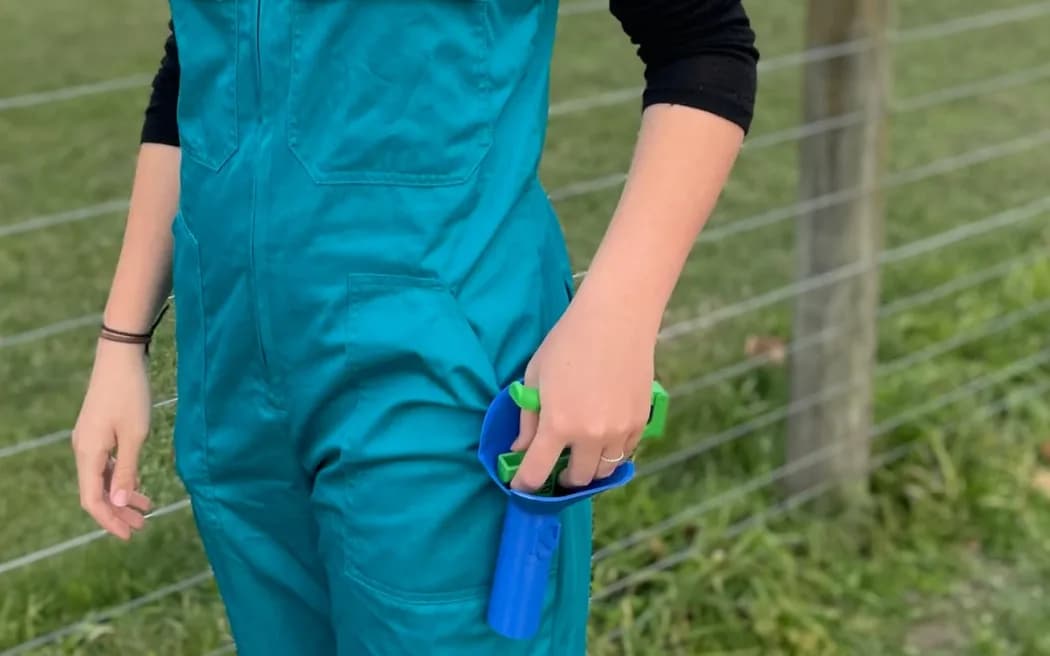
The 'Third Hand' Lie: Why This New Farm Tech Is Actually About Data Control, Not Just Sterilization
Forget the surface-level hype. This seemingly simple needle steriliser is the canary in the coal mine for agricultural technology adoption and data privacy.

Evolv's Earnings Whisper: Why the Q4 'Report' is Actually a Smoke Screen for a Security Reckoning
Evolv Technology's upcoming Q4 results aren't about revenue; they signal a massive pivot in the AI security landscape. The real story of **advanced security technology** is hidden.
The AI Scaling Lie: Why Google's 'Agent Science' Proves Small Teams Are Already Obsolete
Google Research just unveiled the science of scaling AI agents. The unspoken truth? This isn't about better chatbots; it's about centralizing control and crushing independent AI development.
