The AI Eye on the Rig Floor: Why Computer Vision in BOP Analysis Is the Oil Industry's Quiet Power Grab
Deep-sea drilling safety is being outsourced to algorithms. Discover the hidden winners and losers in the new era of **BOP technology** adoption.
Key Takeaways
- •Computer Vision's primary benefit is centralizing liability and creating auditable digital records, shifting power to data owners.
- •The technology risks deskilling veteran drilling engineers whose intuitive expertise is supplanted by algorithmic decision-making.
- •Future incidents may stem from 'Model Drift,' where AI fails to recognize novel subsurface conditions outside its training set.
- •This adoption is a direct response to regulatory pressure, substituting human oversight with scalable digital validation.
The Unspoken Truth: When Safety Becomes Surveillance
The news coming out of the Society of Petroleum Engineers (SPE) about using Computer Vision (CV) technology to analyze Blowout Preventer (BOP) pressure charts sounds like a win for safety. It promises faster, more objective monitoring of critical deepwater assets. But let’s cut through the corporate jargon: this isn't just about preventing another Macondo disaster. This is a fundamental shift in operational control, and the real story isn't the algorithm; it's the data ownership.
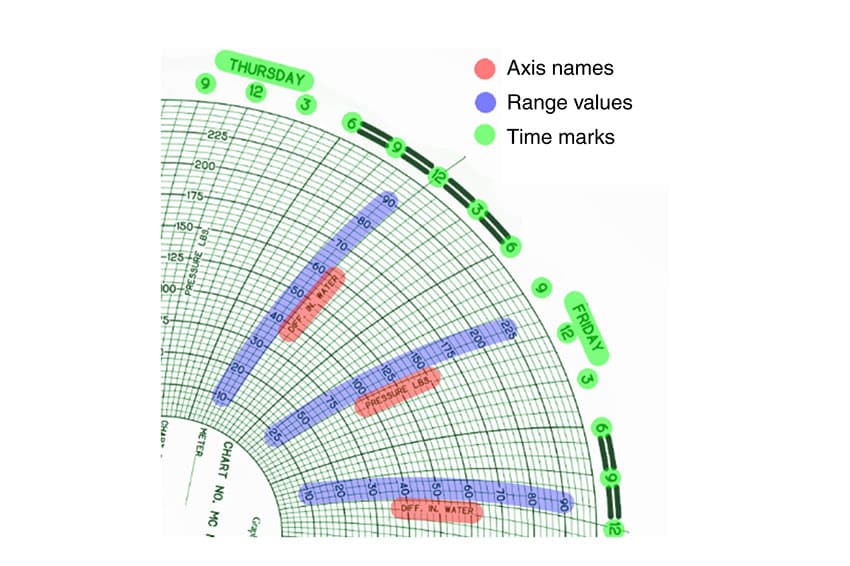
The core innovation here—analyzing complex, analog-style pressure charts using **AI in oil and gas**—is undeniably effective. Traditional methods rely on human interpretation of often messy, fluctuating data logs. CV systems, however, can map these pressure signatures against terabytes of historical failure data, flagging anomalies invisible to the naked eye. This boosts operational efficiency, yes, but it also creates a centralized, untouchable digital record of every single moment the rig breathes.
Who Really Wins? The Data Monopolists
The unspoken winner here is not the rig worker or even the immediate operator. It’s the proprietary software vendor and, by extension, the major integrated service companies who license this **drilling technology**. When a deviation occurs, the CV system doesn't just alert; it creates an immutable, machine-readable narrative of fault. This shifts liability interpretation away from the field crew and toward the data architects. If the AI flags a pressure drop as 'normal maintenance' but a subsequent failure proves it was a precursor, who is responsible? The company that owns the training model, not the one running the drill.
This move towards automated analysis is the industry's answer to regulatory pressure post-Deepwater Horizon. Instead of demanding better human oversight, regulators are increasingly accepting 'validated digital oversight.' It’s cheaper, scalable, and, critically, more defensible in court when backed by sophisticated modeling. For a sector grappling with ESG pressures and workforce shortages, outsourcing judgment to a machine learning model is the ultimate risk mitigation strategy.
The Human Cost: Deskilling the Front Line
Conversely, the losers are the veteran drilling engineers whose decades of tactile, intuitive experience are now being coded into 'legacy knowledge' that the new systems render obsolete. When an entire generation of field experts is replaced by a black-box decision engine, the industry becomes brittle. What happens when the network goes down, or the CV model encounters a novel geological situation it wasn't trained on? We trade nuanced human expertise for brittle digital certainty.
Where Do We Go From Here? The Prediction
Expect this trend to accelerate beyond BOPs. Within five years, every major aspect of drilling—casing running, cementing quality, hydraulic fracturing monitoring—will be governed by CV and predictive AI models. My bold prediction: The next major industry incident won't be caused by equipment failure, but by **'Model Drift'**—a subtle, uncorrected bias in the core training data causing the AI to misinterpret a real-world event because the subsurface conditions have changed faster than the model was updated. The industry will become hyper-efficient until it hits an edge case it wasn't programmed to recognize, leading to a catastrophic failure attributed to 'unforeseen variables' rather than faulty algorithms.
The future of deepwater drilling isn't about stronger steel; it's about smarter code. And whoever controls that code controls the subsurface.
Gallery

Frequently Asked Questions
What is a BOP and why is its monitoring critical?
A Blowout Preventer (BOP) is a massive set of valves designed to seal, control, and prevent the release of crude oil or gas from a well during drilling operations. Its failure can lead to catastrophic environmental disasters, like the 2010 Deepwater Horizon incident.
How does Computer Vision improve BOP pressure chart analysis?
Computer Vision (CV) uses machine learning to automatically interpret complex, often handwritten or analog pressure charts, identifying subtle patterns and anomalies far faster and more consistently than human analysts, thereby flagging potential equipment stress before failure.
Is this AI adoption increasing or decreasing the risk of blowouts?
It is fundamentally changing the nature of the risk. It reduces the risk associated with human error and slow manual review, but introduces new systemic risks related to software failure, data corruption, and algorithmic bias (Model Drift).
What is 'Model Drift' in the context of oil and gas AI?
Model Drift occurs when the real-world data being processed by an AI system gradually diverges from the data it was originally trained on, causing the model's accuracy and predictive power to degrade over time without immediate detection.
