The $100K Trojan Horse: Why Trump’s Visa Fee Hike Will Decimate Rural Healthcare First
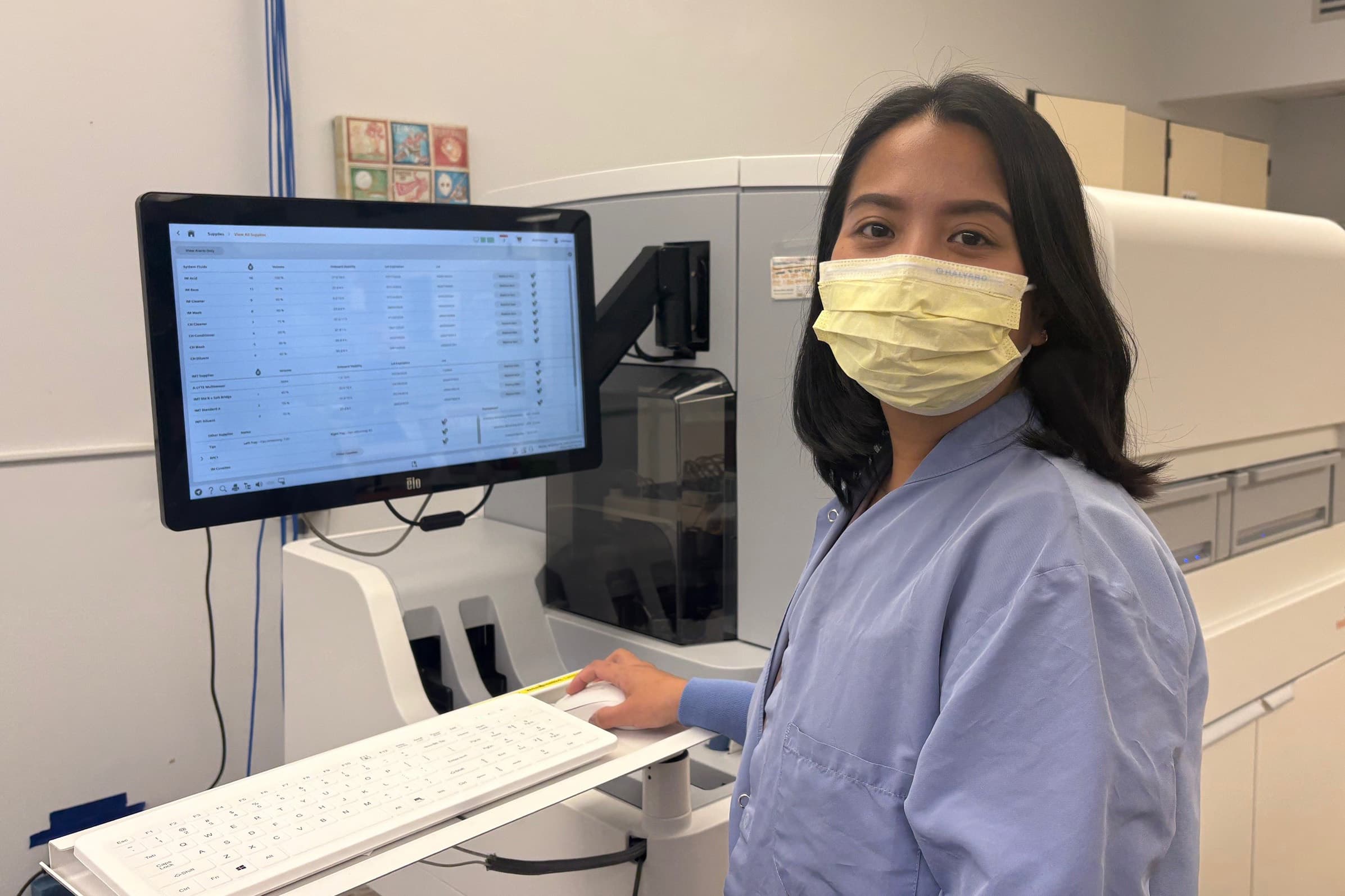
The proposed $100K visa fee hike isn't just about immigration; it's a quiet execution order for America's already fragile rural healthcare systems.
Key Takeaways
- •The $100K visa fee acts as a blockade against rural facilities hiring essential foreign medical staff.
- •Urban centers and tech firms can absorb the cost; small hospitals cannot.
- •This policy implicitly favors healthcare consolidation over local community care.
- •Failure to exempt essential healthcare workers guarantees hospital closures in medically underserved areas.
When politicians talk about immigration reform, the conversation usually centers on border security or green card backlogs. But buried deep within the latest proposals—specifically, the rumored $100,000 fee for certain employment-based visas—is a ticking time bomb aimed squarely at the heart of America’s most vulnerable communities: rural healthcare. This isn't just a bureaucratic adjustment; it’s an economic executioner for facilities that rely on foreign-born physicians to keep their doors open.
The Unspoken Truth: Who Really Gets Crushed?
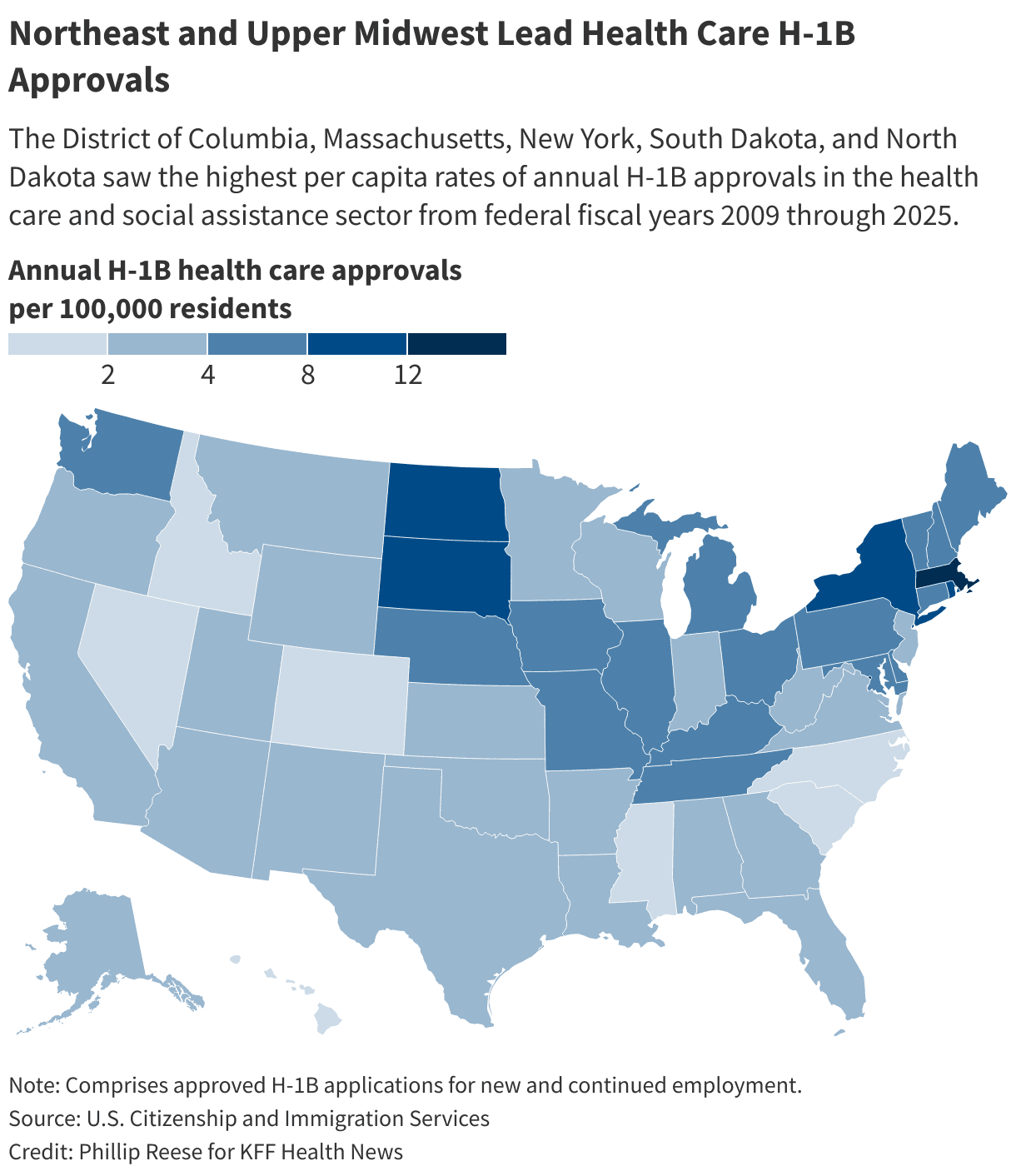
The immediate assumption is that large tech firms or major urban hospitals will absorb the cost. They won't feel it. The true collateral damage is the small-town clinic, the Critical Access Hospital (CAH), and the Federally Qualified Health Center (FQHC) in counties where the nearest specialist is a two-hour drive away. These facilities often depend on doctors and nurses recruited through J-1 or H-1B visas because domestic supply simply cannot meet demand. Imagine a hospital in rural Nebraska or Mississippi facing a $100,000 upfront tariff just to keep their emergency room staffed.
The unspoken truth is this: This proposal weaponizes the visa process against the poor and the geographically isolated. If the fee is imposed, these facilities cannot pay it. They will be forced to close open positions, reduce services, or, most likely, close entirely. We are talking about a direct threat to access to care for millions of Americans who already struggle with healthcare access. This isn't immigration policy; it’s calculated neglect of the American interior.
Deep Analysis: The Economics of Desperation
Why would a policy intended to reduce reliance on foreign labor instead create massive healthcare deserts? Because the policy fails to distinguish between high-wage tech jobs and essential public service roles. For a rural hospital operating on razor-thin margins, a $100,000 fee effectively acts as an insurmountable barrier to entry. It forces them into an impossible choice: bankrupt the facility trying to pay the fee, or let the community go without a primary care physician.
This plays directly into the hands of consolidation. When a small hospital closes, the surrounding area becomes a prime acquisition target for massive, centralized hospital systems. These systems can then dictate prices and service levels without the community having any local leverage. The hidden agenda, if one exists, is to accelerate the centralization of American healthcare, making the system less responsive but more profitable for established giants. For more on the existing challenges in rural healthcare staffing, see this analysis from KFF Health News. [Link to a high-authority source on rural health challenges]
Where Do We Go From Here? The Prediction
If this $100K fee structure passes without specific, massive exemptions for essential healthcare providers in designated shortage areas, the outcome is predictable and swift. Prediction: Within 18 months of implementation, at least 50 Critical Access Hospitals across the Midwest and South will either cease operations or downgrade to basic urgent care centers. This will trigger a cascade failure in local emergency services, forcing Medicare and Medicaid costs to spike elsewhere as patients flood already overburdened urban centers.
The political fallout will be immense, but too late. Rural voters, who often prioritize local stability over national political theater, will finally see the abstract policy debate translate into tangible tragedy: no doctor for the next baby, no surgeon for the next heart attack. The only winners will be the large hospital chains already positioned to buy the distressed assets.
This isn't a simple fee; it’s a structural disruption disguised as fiscal responsibility. The current debate around healthcare access is missing this critical, life-and-death component of visa reform. [Link to a Reuters article on US visa policy complexity]
Key Takeaways (TL;DR)
- The proposed $100K visa fee disproportionately targets rural hospitals reliant on foreign-born staff.
- These facilities often cannot afford such massive upfront costs, leading to inevitable closures.
- The policy accelerates the centralization of the US healthcare market, benefiting large systems.
- Expect significant spikes in rural healthcare deserts within two years if exemptions aren't made.
Gallery
Frequently Asked Questions
What is a Critical Access Hospital (CAH) and why are they vulnerable?
A Critical Access Hospital is a designation for small rural hospitals that meet certain criteria to ensure they can remain open to provide essential emergency services, even with low patient volumes. They are extremely vulnerable because their operating margins are already minimal, making a $100,000 fee an existential threat.
How does this proposed visa fee differ from standard visa processing fees?
Standard fees cover administrative costs. The proposed $100,000 fee is structured as a significant financial barrier or 'tariff' on employment, intended to deter hiring—a policy tool that has devastating unintended consequences when applied to essential public services like rural medicine.
Who benefits if rural hospitals are forced to close?
The primary beneficiaries are large, centralized regional or national hospital conglomerates. They can acquire the surrounding service areas cheaply, increasing their market share and potentially raising prices due to reduced local competition.
What is the role of H-1B and J-1 visas in rural health?
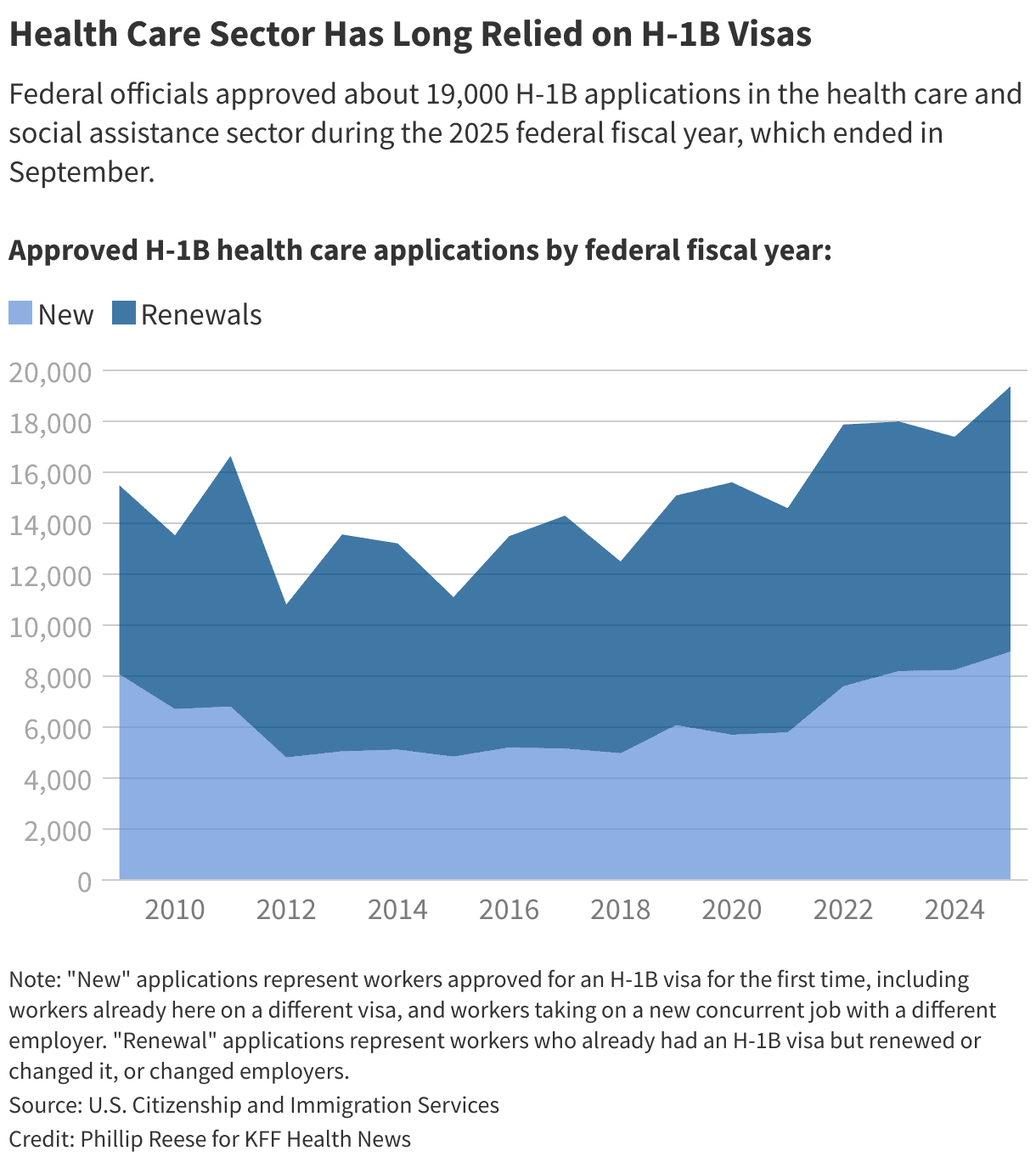
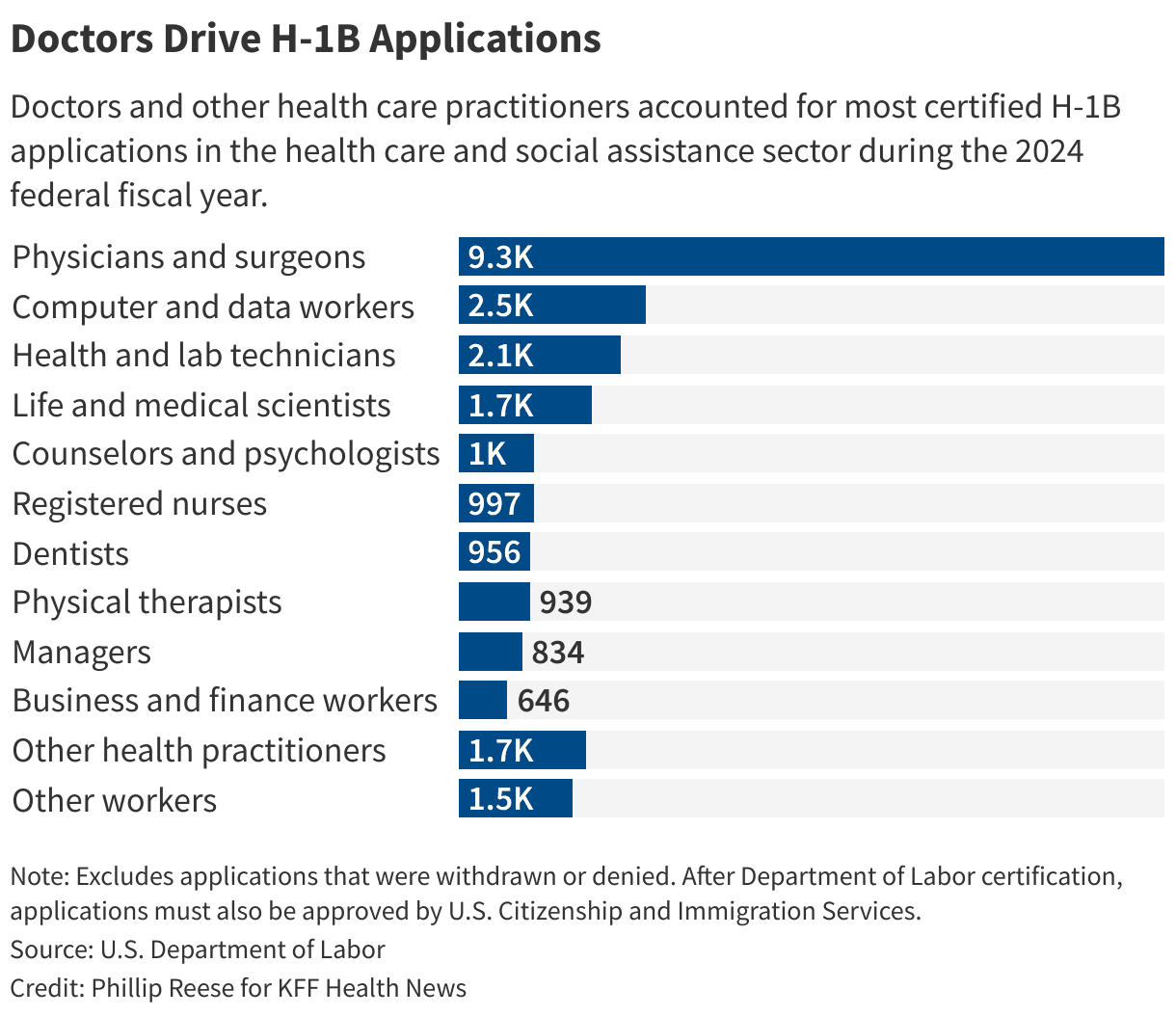
J-1 (Exchange Visitor) and H-1B (Specialty Occupation) visas are crucial pipelines for bringing foreign doctors, nurses, and allied health professionals to areas in the US where domestic recruitment has failed to meet demand, particularly in primary care and mental health.
Related News

Oregon's Cannabis Tax Heist: How Pot Revenue Failure Is Bankrupting Public Health
The Oregon cannabis crash isn't just a tax failure; it's a direct assault on mental health funding. Unpacking the hidden costs of 'legal weed' economics.

The $160 Million Illusion: Why Delaware's Rural Health 'Win' Hides a Systemic Collapse
Delaware just got $160M for rural health, but this massive federal aid masks deeper, unavoidable crises in healthcare delivery.

The Quiet Betrayal: Why Your 'Affordable' Health Centers Are Turning Into Debt Collectors
The shocking reality behind community health centers suing patients reveals a systemic failure in American healthcare access.

DailyWorld Editorial
AI-Assisted, Human-Reviewed
Reviewed By
DailyWorld Editorial