Putin's 2030 Tech Mirage: The Hidden Hand Pushing Russia Toward Digital Serfdom
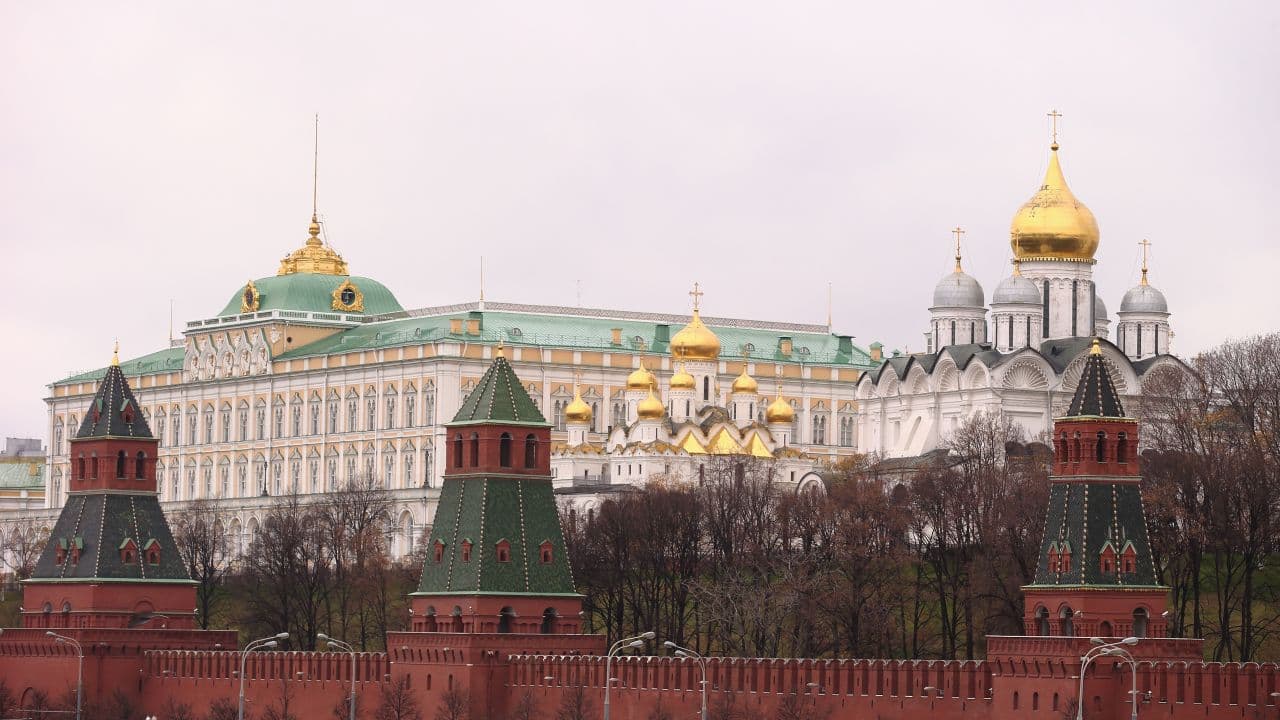
Russia's goal of 'tech independence' by 2030 is a geopolitical fantasy. We expose the real dependency: China.
Key Takeaways
- •Russia's 'tech independence' functions as a mandate for increased domestic digital surveillance.
- •The complexity gap makes achieving Western-level tech parity by 2030 a non-starter.
- •Dependency on China is strategic for Beijing, offering leverage over Moscow.
- •The real outcome will be a lower-tech, highly controlled domestic digital environment.
The Hook: Is Russia Really Building Silicon Valley 2.0, Or Just A Digital Gulag?
The Kremlin has loudly proclaimed its ambition: complete **technological sovereignty** by 2030. This isn't just about microchips; it’s about insulating the entire Russian state apparatus—military, economic, and social—from Western pressure. But when analysts dismiss this roadmap as a mere 'fantasy for Putin,' they miss the crucial pivot point. The real story isn't the failure to build; it's the inevitable, suffocating embrace of the only alternative source of critical **technology imports**.
Recent reports confirming Russia’s deep reliance on foreign components, especially for its war machine, are old news. The analysis needs to go deeper. The goal of **Russian tech independence** is not about achieving parity with the West; it’s about achieving *control* domestically. And for that, Beijing is the perfect, necessary partner.
The 'Unspoken Truth': Trading Sanctions for Sovereignty
The core delusion of the 2030 plan is the belief that domestic substitution can replace decades of deep integration with Western semiconductor and software ecosystems. This is impossible. The complexity gap is too vast. However, the experts focusing only on the gap miss the *political* utility of the plan.
The real winner here is not the Russian engineer; it’s the Kremlin’s domestic security apparatus. By declaring **technological sovereignty**, the state gains the perfect justification to centralize control over all digital infrastructure, mandate the use of state-approved (and easily monitored) domestic software, and crush any lingering private sector digital competition. The West’s sanctions didn't just cut Russia off; they handed the state the ultimate excuse to build a national firewall.
The loser? The Russian consumer and the nascent private digital economy, which will be forced onto inferior, state-controlled platforms, ensuring maximum surveillance. This is not independence; it is digital feudalism.
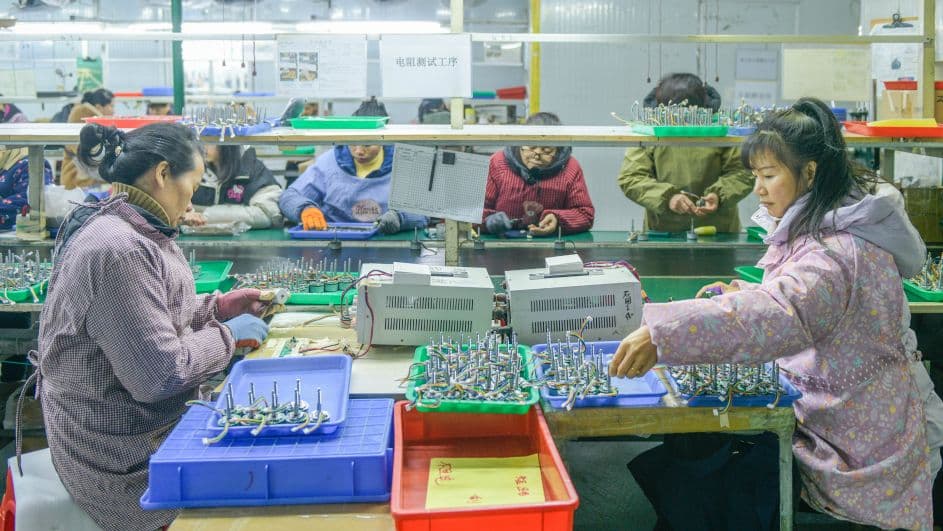
Image Alt Text: A graphic illustrating Russia's heavy reliance on Chinese technology imports after Western sanctions hit key sectors.
The China Factor: Digital Vassalage, Not Partnership
When Western **technology imports** vanished, Russia turned East. But this isn't a balanced partnership; it's asymmetric dependency. China gains guaranteed access to Russian resources and a massive, captive market for its hardware (Huawei, Xiaomi, etc.) that Western companies have abandoned. More importantly, China gains geopolitical leverage.
If Russia truly achieved independence, Beijing would lose its primary bargaining chip. Therefore, the unspoken agreement is tacit: China will supply the necessary, often older, technology to keep the Russian economy sputtering along, ensuring Russia remains a strategic junior partner dependent on Chinese supply chains. The 2030 deadline is thus less a goal and more a performance review for Chinese suppliers.
For a deeper look at the current state of global sanctions impact, see reports from sources like Reuters analyzing trade flows.
What Happens Next? The Inevitable Digital Decoupling
Prediction: By 2027, Russia will formally announce a significant 'delay' or 'restructuring' of the 2030 goal, blaming residual Western sabotage. Simultaneously, they will accelerate the adoption of Chinese enterprise software and hardware standards across all state functions. The physical economy will stabilize at a lower, less innovative level, sustained by imports channeled through third countries and Chinese state enterprises. True, cutting-edge innovation in AI and advanced microprocessors will stall for at least a decade. The focus shifts entirely from progress to resilience and control.
The path to **technological sovereignty** is paved with imported components from the East, creating a new form of dependency far more rigid than the one they tried to escape. This is the real, strategic cost of isolation.
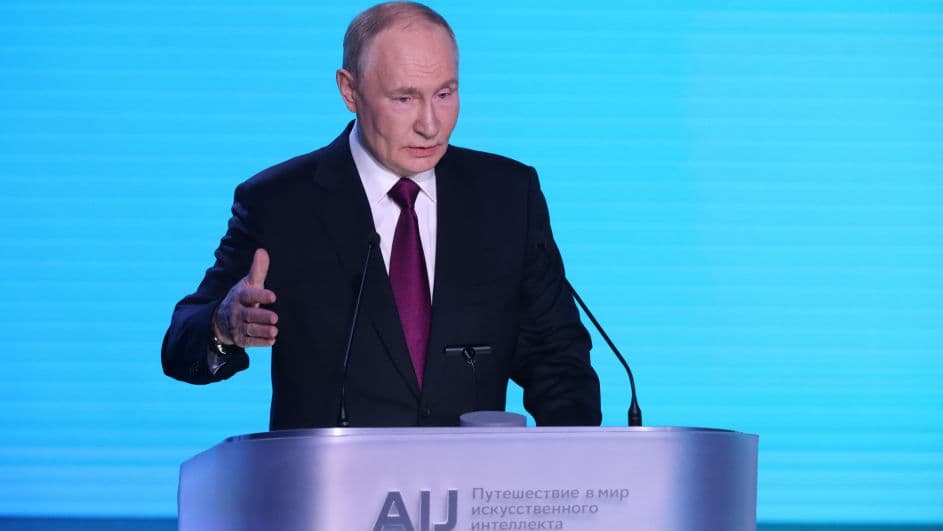
Image Alt Text: Vladimir Putin speaking at an AI conference, highlighting the state's focus on securing technological sovereignty.
Key Takeaways (TL;DR)
- The 2030 goal is primarily a domestic political tool for tightening state control, not a genuine tech strategy.
- Actual independence is impossible; Russia is trading Western dependence for suffocating Chinese dependency.
- The real long-term loser is Russian innovation, which will be choked by mandated, controlled domestic/Chinese standards.
- Expect a formal admission of failure or a major pivot away from the 2030 deadline by 2027.
Gallery
Frequently Asked Questions
Why do experts call Russia's 2030 tech plan a 'fantasy'?
Experts deem it a fantasy because Russia lacks the domestic industrial base, human capital, and decades of accumulated know-how required to replace complex Western semiconductor and software ecosystems in such a short timeframe.
How does China benefit from Russia's need for technology imports?
China benefits by gaining a guaranteed, large market for its hardware and software, securing resource deals, and establishing itself as the indispensable strategic patron, granting Beijing significant geopolitical leverage over Moscow.
What is the 'hidden agenda' behind promoting technological sovereignty?
The hidden agenda is to provide the Kremlin with the justification to centralize control over all digital infrastructure, mandate state-approved software, and suppress private sector competition under the guise of national security.
Will Russia be able to maintain its military technology without Western components?
The military can sustain operations in the short term by cannibalizing existing stockpiles and utilizing lower-grade or gray-market imports channeled via China or third countries, but long-term modernization and cutting-edge capability upgrades will be severely hampered.
Related News

The Hidden Price of Green Tech: Why the China-Finland Climate Pact Isn't About Saving the Planet
The supposed 'green energy' collaboration between China and Finland masks a deeper geopolitical and technological race for rare earth dominance and future industrial control.

Melbourne's Tech Boom Isn't About Jobs—It's About War: Decoding Castles Technology's Real Pacific Strategy
Castles Technology's Melbourne HQ expansion isn't just growth; it's a strategic geopolitical chess move in the fintech and digital payment security landscape.
