MLK’s Forgotten Healthcare Demand: Why America’s Sickest Secret is the Real Civil Rights Battle

The forgotten truth about Martin Luther King Jr.'s vision for universal healthcare exposes a deep wound in American health equity.
Key Takeaways
- •MLK viewed healthcare access as an essential, non-negotiable civil right, not merely a social benefit.
- •The current two-tier US healthcare system functionally perpetuates racial and economic segregation.
- •Systemic failures in health equity are an economic anchor, causing widespread financial instability.
- •Incremental reforms will fail; achieving King’s vision requires fundamental structural change to delink care from profit.
The Hook: The Dream Deferred, Again
We invoke Martin Luther King Jr.'s 'I Have a Dream' speech for soaring rhetoric on racial harmony, but we conveniently sanitize the most radical, economically charged elements of his struggle. The most glaring omission? His fierce, uncompromising demand for universal healthcare. This isn't nostalgia; it’s a direct challenge to the modern American healthcare system. The unspoken truth is that for MLK, health equity was inseparable from civil rights. Today, the failure to achieve this goal is not a policy oversight—it’s a moral indictment.
The current debate around US healthcare is often framed by premiums, deductibles, or partisan squabbles. This misses the point entirely. King understood that without access to quality medical care, economic mobility is a cruel joke. When we discuss health equity, we must confront the fact that systemic barriers—often rooted in the same segregationist structures MLK fought—still dictate who lives and who dies.
The 'Meat': From Selma to the ER Waiting Room
MLK’s advocacy was explicit. By the late 1960s, he was deeply involved in organizing the Poor People’s Campaign, which explicitly targeted poverty as a structural issue, with healthcare access as a core pillar. He saw the connection: poor communities, disproportionately Black and Brown, suffered from higher rates of chronic illness due to environmental racism, food deserts, and, critically, lack of insurance or access to competent care.
Today, the data screams the same story. While insurance coverage has technically expanded, access remains stratified. The US healthcare system operates on a two-tier structure: one for the wealthy, another for everyone else. The high cost of care acts as a modern-day poll tax on health outcomes. Who really wins? Insurance conglomerates, pharmaceutical giants, and private equity firms buying up rural hospitals—the very entities profiting from scarcity and confusion. Who loses? The millions trapped in medical debt or foregoing necessary treatment because their ZIP code dictates their lifespan.
The 'Why It Matters': The Economics of Inequity
This isn't just about compassion; it's about economic stability. Medical bankruptcy remains a leading cause of financial ruin in the US. When a significant portion of the population is one diagnosis away from insolvency, the entire economy suffers. Furthermore, poor public health cripples workforce participation and productivity. King’s vision wasn't merely socialist; it was pragmatic capitalism anchored by human dignity. Ignoring health equity is economically self-sabotaging.
The contrarian view here is that incremental fixes—like tweaking the Affordable Care Act—will never suffice. The system itself is designed for profit extraction, not public good. As long as healthcare remains fundamentally tied to employment or wealth, the structural inequalities King fought against will persist, just wearing a new bureaucratic mask.
Where Do We Go From Here? The Inevitable Reckoning
The future hinges on whether the next generation of activists and policymakers finally internalizes MLK’s full economic agenda. Prediction: Until the US mandates a universal, single-payer system—or an equivalent that entirely delinks care from profit—the tension over US healthcare will remain the single greatest domestic instability factor. We will see increased political radicalization centered on this issue, not just from the left, but from the burgeoning middle class bankrupted by unexpected illness. The political fight will shift from 'Can we afford universal care?' to 'Can we afford not to have it?' Look for state-level battles over medical licensing and prescription drug negotiation to become the next major civil rights battlegrounds.
Gallery





Frequently Asked Questions
What specific healthcare demands did Martin Luther King Jr. make?
MLK explicitly advocated for universal health coverage, often linking it to the Poor People's Campaign, arguing that the lack of access disproportionately harmed poor and minority communities.
How does modern health equity relate to historical civil rights?
Modern health equity issues, such as disparities in maternal mortality rates or chronic disease prevalence, are direct descendants of historical segregation and systemic bias in resource allocation and medical treatment.
Is US healthcare fundamentally a profit-driven industry?
Yes, the US healthcare market is heavily driven by for-profit insurance companies, pharmaceutical manufacturers, and private equity, which critics argue prioritizes shareholder returns over patient well-being.
What is the main economic argument against the current US healthcare structure?
The primary economic argument is that high costs lead to medical debt, bankruptcy, and reduced national productivity, making the system inefficient and socially destabilizing.
Related News
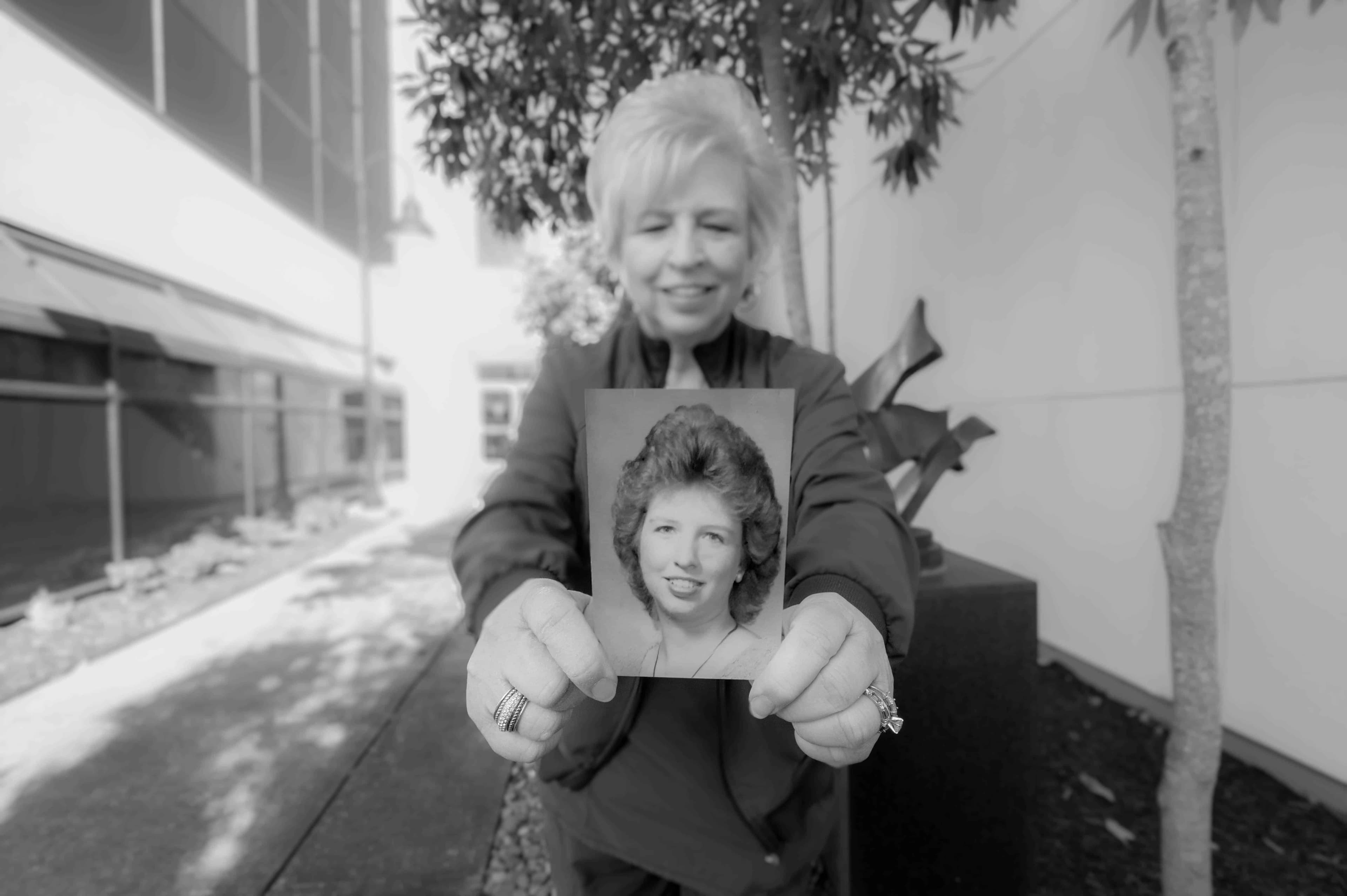
The 40-Year Illusion: Why ECU Health's Anniversary Hides a Looming Healthcare Crisis
Forty years of service sounds noble, but the real story behind ECU Health's milestone reveals the unsustainable strain on regional healthcare access and staffing.

The Quiet Coup: Why 'Community Health Networks' Are the Trojan Horse for Healthcare Centralization
Unpacking the mandate of Community Health Networks reveals a dangerous trend toward centralized control, not local care.

The Quiet War for Healthcare Talent: Why University Health Science Programs Are the New Battleground
Forget pharma hype. The real fight in modern healthcare isn't drugs; it's the looming shortage of skilled professionals, and university programs are the front lines.
