Minnesota's Medicaid Crackdown: Who Really Pays When the State Hunts for 'Fraud'?

The 'Minnesota Revalidate' initiative targets Medicaid fraud, but the real cost of this massive audit on patients and providers remains dangerously underreported.
Key Takeaways
- •The 'Revalidate' initiative will likely cause significant administrative burden and financial risk for legitimate healthcare providers.
- •The primary beneficiaries are short-term state budget optics, not necessarily long-term patient access.
- •Expect a reduction in smaller, independent providers accepting new Medicaid patients due to increased compliance risk.
- •Aggressive clawbacks often punish billing errors more than intentional fraud.
The Silent War on the Bottom Line: Unpacking Minnesota Revalidate
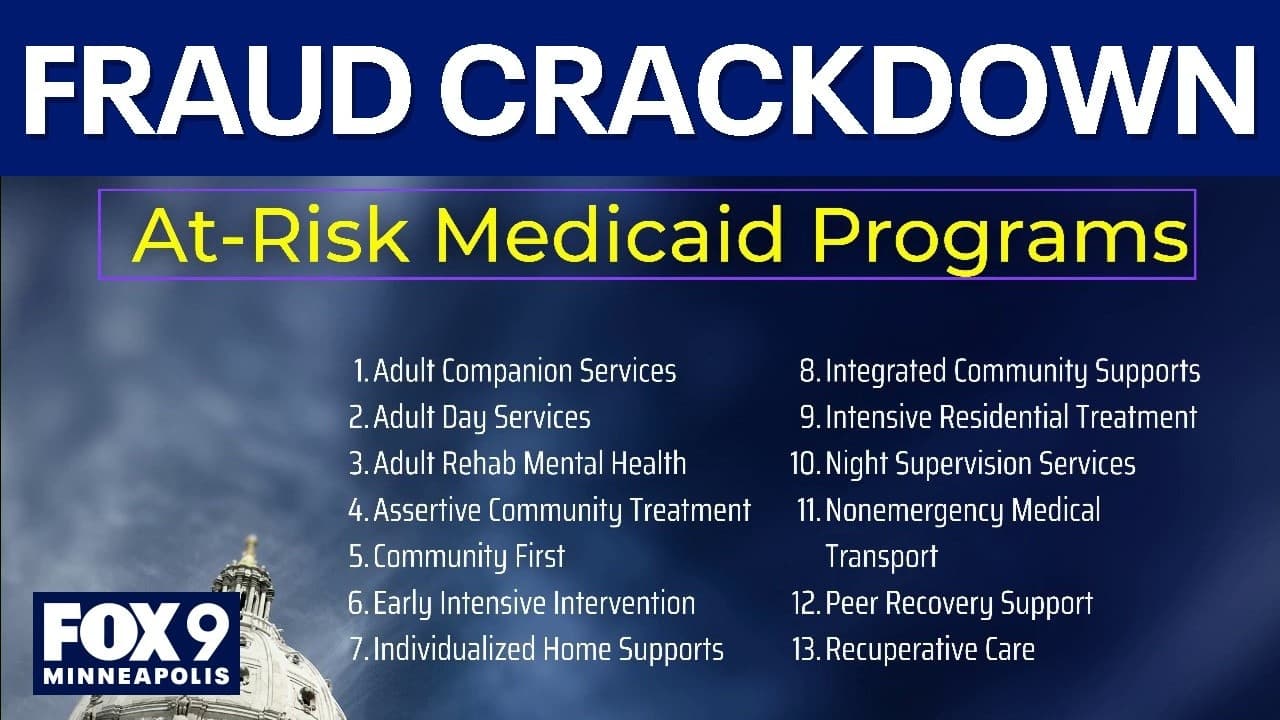
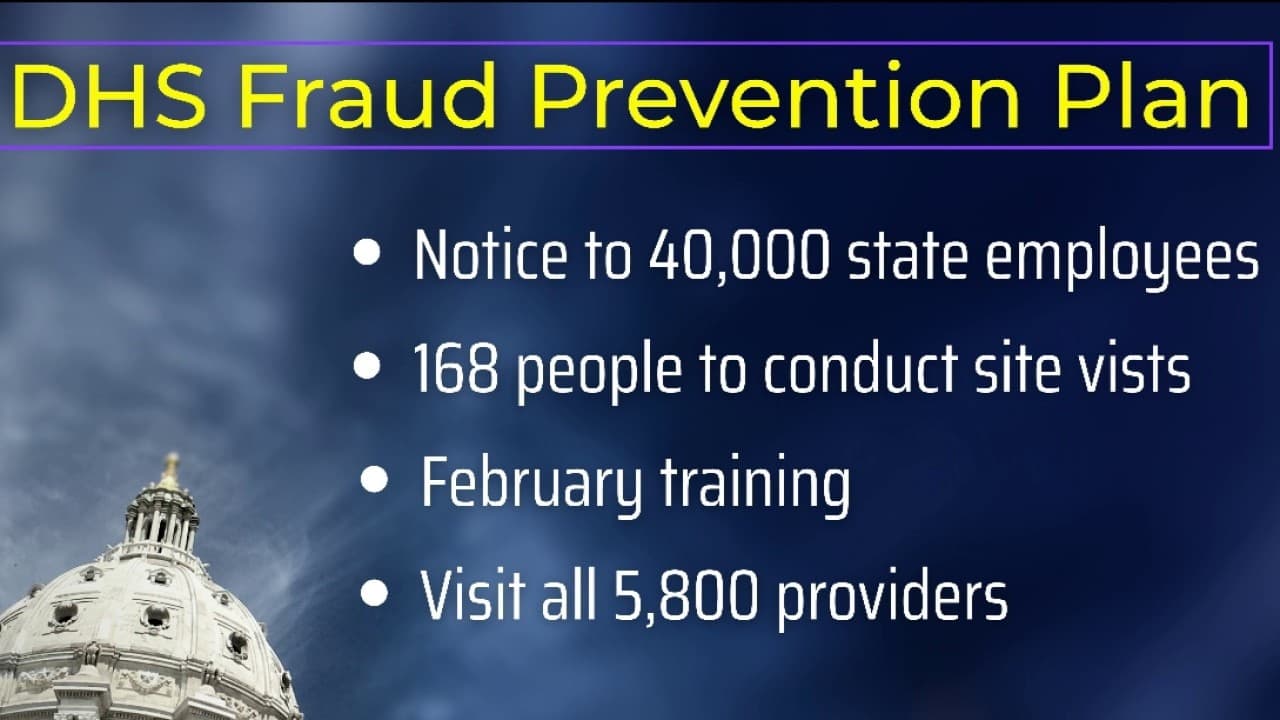
Minnesota health leaders just unveiled a sweeping new effort, **'Minnesota Revalidate,'** designed to aggressively combat Medicaid fraud. On the surface, this sounds like fiscal responsibility—a necessary measure to stop the bleeding of taxpayer dollars. But scratch that glossy press release, and you find a far more complex, and potentially damaging, reality. This isn't just about catching a few bad actors; it’s about a fundamental shift in how the state views its most vulnerable recipients and the providers who serve them. The key question everyone is ignoring is: **When state audits ramp up this aggressively, who is the collateral damage?** We are talking about **Medicaid fraud** crackdowns, a perennial favorite among politicians looking for a quick win. The narrative is simple: thieves are stealing your money. The reality is that these massive systemic reviews often sweep up legitimate billing errors, provider confusion, and necessary care provided to complex, high-need patients. This intense focus on recouping funds—a process that often involves clawbacks stretching years into the past—creates a chilling effect across the entire healthcare ecosystem.The Hidden Agenda: Efficiency or Austerity?
The unspoken truth here is that 'revalidation' often serves as a euphemism for austerity. When state budgets tighten, the easiest money to chase is often the money already spent. Providers, already operating on razor-thin margins serving the Medicaid population, now face the bureaucratic nightmare of proving they weren't defrauding the system. Imagine a small mental health clinic suddenly facing demands for thousands of dollars back because the documentation standard shifted slightly or a specific CPT code interpretation changed. They don't fight it; the legal costs alone bankrupt them. This is how independent, essential providers are systematically squeezed out, leaving only large hospital systems capable of absorbing massive compliance departments. This initiative will undoubtedly save the state money in the short term, but it will cost the community far more in access and quality of care. We must look beyond the headlines about stopping **healthcare waste** and examine the true cost of compliance.Where Do We Go From Here? The Prediction
Expect a predictable pattern to unfold over the next 18 months. First, a significant, headline-grabbing figure will be announced detailing millions 'recovered' from fraud. This will satisfy political appetites. Second, we will see a measurable—though perhaps initially hidden—decrease in the number of smaller, specialized providers accepting new **Medicaid patients**. Why? Because the risk-to-reward ratio becomes toxic. Third, expect wait times for non-emergency specialist care to increase substantially across Minnesota. The system, designed to be lean, will break under the weight of hyper-scrutiny. The state wins the audit battle but loses the war for reliable community care. To understand the scale of Medicaid spending, one must look at federal context. Medicaid spending is a massive component of state budgets nationwide, making it a constant target for efficiency drives, whether legitimate or politically motivated. (See the broader context of state healthcare spending via sources like the Kaiser Family Foundation). The Bottom Line: Minnesota Revalidate is less a surgical strike against criminals and more a blunt instrument applied to the entire provider network. We need better oversight, yes, but this level of aggressive pursuit risks dismantling the very infrastructure meant to help those in need. This isn't just about catching thieves; it's about redefining acceptable risk for essential workers.Gallery


Frequently Asked Questions
What is the primary goal of the 'Minnesota Revalidate' program?
The primary stated goal is to combat Medicaid fraud, waste, and abuse by requiring providers to re-verify their eligibility and compliance with current state standards.
How does aggressive Medicaid auditing typically affect patient access?
Aggressive auditing and recoupment efforts increase administrative overhead and financial risk for providers, often leading smaller practices to stop accepting new Medicaid patients or reduce services, thereby increasing wait times.
Is Medicaid fraud a widespread, massive problem in Minnesota?
While fraud exists, the scale of losses is often debated. Critics argue that large-scale initiatives like this often target minor billing errors (which can be 10-20% of claims) rather than focusing solely on large, intentional criminal enterprises.
What is the difference between waste, abuse, and fraud in Medicaid?
Fraud is intentional deception for financial gain; abuse is improper billing or practices that result in unnecessary costs; and waste is inefficient use of resources, often due to poor management.
Related News

The Quiet Coup: Why 'Community Health Networks' Are the Trojan Horse for Healthcare Centralization
Unpacking the mandate of Community Health Networks reveals a dangerous trend toward centralized control, not local care.

The Quiet War for Healthcare Talent: Why University Health Science Programs Are the New Battleground
Forget pharma hype. The real fight in modern healthcare isn't drugs; it's the looming shortage of skilled professionals, and university programs are the front lines.

Founder's Day Myth: Who Really Profits When Hospitals Celebrate 'Community'?
Behind the KHSC Founder's Day facade lies a battle for healthcare dollars. Unpacking the hidden economics of hospital anniversaries.
