Khaleda Zia's Health Saga: The Political Oxygen Tank Bangladesh Really Needs
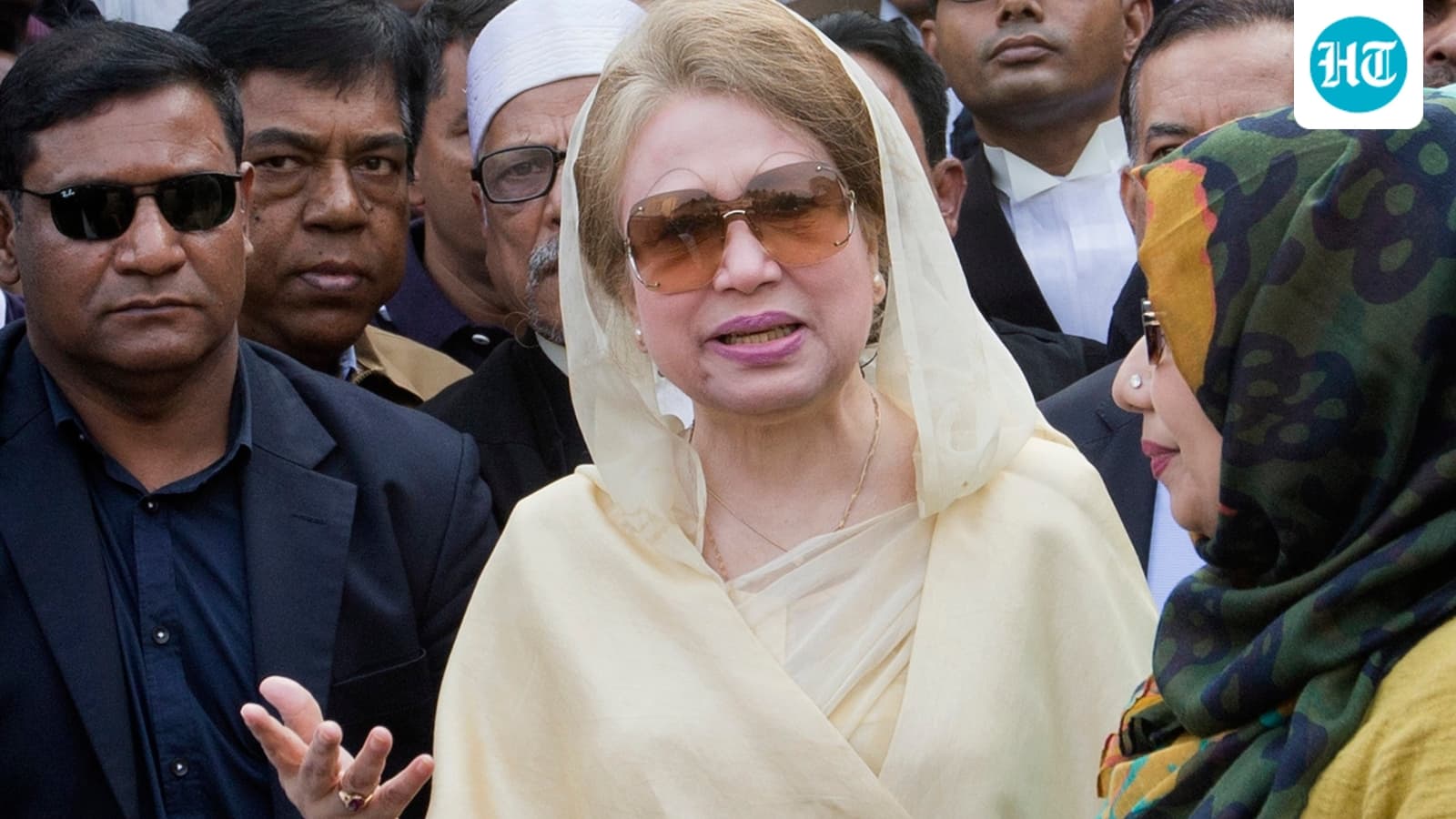
The latest update on Khaleda Zia's health isn't just medical news; it's a barometer for the fragile state of Bangladeshi democracy and political succession.
Key Takeaways
- •Khaleda Zia's health is being used as a critical political lever in Bangladesh.
- •The opposition BNP suffers from a significant leadership vacuum, exposed by her ongoing condition.
- •The ruling party benefits from managing the narrative around her health to maintain stability.
- •Expect prolonged management of her condition rather than a swift, decisive resolution.
The news cycle churns out another bulletin: former Prime Minister Khaleda Zia is responding to treatment. On the surface, this is a simple humanitarian update regarding the ailing leader of the Bangladesh Nationalist Party (BNP). But to view this through a purely medical lens is to miss the blindingly obvious political calculus at play. This isn't just about her liver function; it’s about the political oxygen supply to a deeply polarized nation.
The Unspoken Truth: Health as a Political Lever
Why does the health status of a politically sidelined figure dominate headlines? Because in Bangladesh’s high-stakes political theater, Khaleda Zia’s condition is the single greatest source of leverage for the opposition. Her incapacitation keeps the BNP tethered to hope, while her continued, albeit frail, existence prevents the ruling Awami League (AL) from achieving total, unchallenged dominance. The unspoken truth is that her physical stability—or instability—is a direct measure of the current government’s perceived legitimacy.
The ruling establishment benefits from a controlled narrative around her health. If she stabilizes, it’s proof the system works (even if that system denied her full international medical care). If she worsens, it risks sparking unpredictable unrest that the government is keen to avoid ahead of future electoral cycles. This balancing act is precarious. We must analyze Bangladesh politics not through manifestos, but through the vital signs of its most famous political prisoner.
Deep Dive: The Succession Vacuum
The real crisis brewing isn't the immediate medical emergency; it’s the **political succession** vacuum that her absence creates. Khaleda Zia, despite her legal troubles, remains the symbolic figurehead. Her sons and internal party figures struggle to coalesce around a unified, electable alternative. This health saga exposes the BNP’s fundamental weakness: an over-reliance on a single, aging personality. The current government, meanwhile, capitalizes on this internal division, maintaining power through a strategy of attrition against the opposition leadership.
The medical reports, often filtered through state-controlled narratives, serve to manage public expectation. Any improvement offers a temporary morale boost to the opposition base, demanding more assertive action. Any decline reinforces the narrative that the opposition is leaderless and fading. This is political triage managed by medical updates. For those tracking South Asian geopolitics, this ongoing saga is a crucial indicator of domestic stability, impacting foreign investment and regional security calculations.
Where Do We Go From Here? The Prediction
My prediction is clear: Khaleda Zia’s health will remain a permanent, managed crisis until a clear successor emerges within the BNP or the ruling party feels politically secure enough to allow a permanent, monitored release. Expect periodic stabilization reports designed to keep the opposition engaged but quiescent. True political freedom for Zia would immediately destabilize the current power structure, an outcome the ruling party will actively work to prevent through bureaucratic and medical delays. The government’s strategy isn't to cure her, but to keep her alive enough to be a rallying point, yet too weak to lead a charge. This calculated ambiguity is the cornerstone of their current political survival.
For more context on the ruling party's grip, see analysis from Reuters on recent electoral developments.
Gallery




Frequently Asked Questions
What is the current medical status of Khaleda Zia?
Doctors report that she is responding to treatment for complex health issues, including liver complications, but she remains under specialized care with restricted access.
Why is Khaleda Zia not allowed full medical treatment abroad?
She was convicted in corruption cases and released conditionally on humanitarian grounds, which currently bars her from leaving Bangladesh for advanced treatment.
How does Khaleda Zia's health affect the BNP party?
Her condition maintains her symbolic authority but also highlights the party's internal struggle to establish a viable, unified leadership alternative.
What are the main corruption charges against Khaleda Zia?
She was convicted in cases related to misappropriation of foreign donations meant for the Zia Orphanage Trust and the Zia Charitable Trust.
Related News
The Silicon Shield: Why Israel's Tech Supremacy Is Its Real Nuclear Deterrent
Forget Iron Dome. Israel's true geopolitical leverage lies in its unshakeable dominance in cyber and AI—a quiet diplomatic weapon reshaping global power.
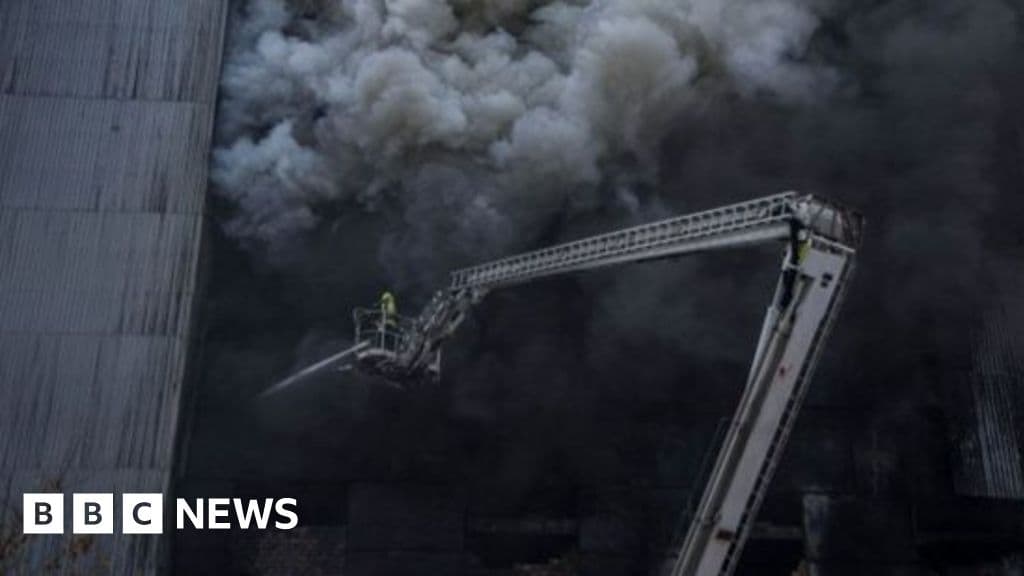
The Silent War on Wellness: Why Targeting Ukraine's Medical Stockpiles Is Russia's Smartest, Cruelest Move
Strikes on Ukrainian medical warehouses reveal a strategic pivot in warfare: collapsing civilian health infrastructure to force political surrender.

The Great Tech Hangover: Why Korea’s Obsession with 'Science First' Is About to Collapse
Everyone celebrates Korea's tech boom, but the unspoken truth is that this 'science first' dogma is creating a brittle, unequal society.

DailyWorld Editorial
AI-Assisted, Human-Reviewed
Reviewed By
DailyWorld Editorial