Goa's Neurodiversity Plan: Is This Genuine Care, Or Just an Optics Play to Capture the Wellness Tourist Dollar?
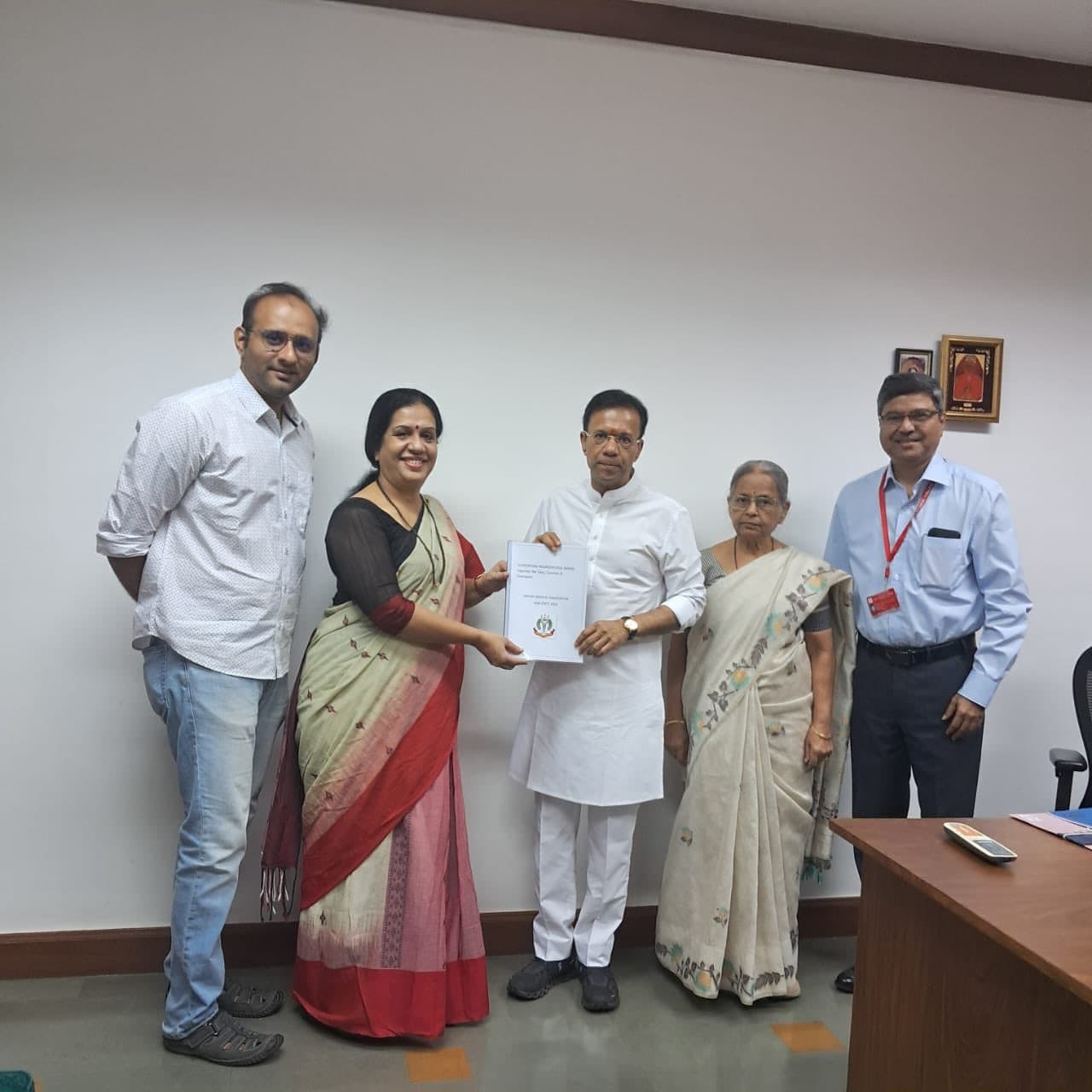
The IMA Goa's outreach on neurodiversity funding hides a deeper truth about healthcare economics and the future of targeted wellness in India.
Key Takeaways
- •IMA Goa's neurodiversity plan is fundamentally an economic strategy targeting high-yield wellness tourism.
- •The centralization of specialized care risks creating a two-tier system favoring wealthy, out-of-state patients.
- •True integration requires long-term support, which is often sidelined in favor of high-visibility screening camps.
- •The political victory of 'awareness' will likely precede a struggle over affordable, sustained local care.
The Hook: The Great Optics Shift in Indian Healthcare
When the Indian Medical Association (IMA) Goa chapter presents a detailed neurodiversity outreach plan to the Health Minister, the headlines scream progress. But let’s cut through the feel-good noise. We are not witnessing a sudden surge of altruism; we are observing a calculated economic pivot. The real story isn't about helping the neurodivergent community—it’s about **healthcare economics** and capturing a lucrative new demographic: the high-value, specialized wellness tourist. The buzz around **neurodiversity awareness** is currently trending, and Goa, perpetually seeking its next big cash cow after sun, sand, and supplements, is positioning itself to lead.
The 'Meat': Beyond Awareness, Into Infrastructure Capture
The plan, ostensibly aimed at early detection and integrated care, forces us to ask: Who benefits most from this sudden bureaucratic focus? While improved access for local residents is the stated goal, the infrastructure required for specialized **neurodiversity support** is inherently expensive and centralized. This centralization inherently favors private practitioners and specialized institutions over grassroots community efforts. The unspoken truth is that this initiative serves as a soft launch for a new tier of medical tourism. Goa wants to move beyond basic medical check-ups and become a recognized hub for complex, high-margin neurological and developmental diagnostics.
Look closely at the proposed funding mechanisms. If the state leans heavily on subsidies for private centers—a common pattern—the local tax-payer ends up footing the bill for services that will inevitably prioritize out-of-state, high-paying clientele seeking 'exclusive' diagnostic pathways. This isn't just about autism or ADHD; it’s about establishing Goa as the **specialized medical tourism hub** of the West Coast.
The 'Why It Matters': The Gentrification of Care
This move represents the gentrification of medical care. When specialized services become tightly regulated and channeled through state-approved centers, the cost of entry rises dramatically. For the average Goan family struggling with basic healthcare access, this new specialized focus may feel like a distraction, or worse, a drain on limited resources. We are witnessing the professionalization of a previously community-supported field, which often leads to exclusion, not inclusion.
Furthermore, the focus on *outreach* often means surface-level screening rather than deep, longitudinal support. It’s easier to fund a screening camp (great optics) than to fund ten years of subsidized therapy (bad optics, high long-term cost). The real challenge in **neurodiversity awareness** isn't recognition; it's sustained, affordable integration into the existing social and educational fabric. Goa’s plan seems set to solve the recognition problem while completely ignoring the integration problem.
What Happens Next? The Prediction
Within 18 months, expect a surge in private investment announcements targeting Goa’s 'Neuro-Wellness Corridor.' We will see boutique clinics opening, aggressively marketing internationally using the state’s official endorsement. However, the gap between the services offered to international patients and the availability for local BPL (Below Poverty Line) families will widen into a chasm. The political capital gained from announcing the plan will evaporate as local advocates point out the lack of affordable, long-term care facilities. The IMA and the Health Ministry will be forced into a reactive mode, scrambling to create 'affordable quotas' that never truly satisfy demand.
Key Takeaways (TL;DR)
- This initiative is less about immediate local welfare and more about positioning Goa for high-value **specialized medical tourism**.
- The focus on centralized infrastructure will likely inflate costs, potentially excluding local, lower-income families.
- **Neurodiversity awareness** is being weaponized as an economic development tool, not purely a public health mandate.
- Expect short-term political wins followed by long-term infrastructure gaps for the local community.
Frequently Asked Questions
What is the primary economic driver behind Goa's new focus on neurodiversity?
The primary driver appears to be establishing Goa as a specialized medical tourism hub, attracting high-spending clients seeking advanced neurological and developmental diagnostics, thereby diversifying its tourism revenue beyond traditional offerings.
How might this plan negatively impact local residents seeking neurodiversity support?
If state funding heavily supports private, high-end facilities, the overall cost of specialized care may increase, potentially pricing out lower and middle-income local families who cannot afford the new premium rates.
What is the difference between 'awareness' and 'integration' in this context?
Awareness involves recognizing conditions (like through screening camps), while integration involves providing sustained, affordable, and accessible long-term support, education, and employment pathways, which is the area often neglected.
What is a 'healthcare economics' angle in this story?
The angle suggests that public health initiatives are being structured to maximize revenue generation and attract external capital, rather than solely optimizing services for the existing resident population.
Related News
The Behavioral Health Mirage: Why Kennedy Jr. and Dr. Oz Are Missing the Real Crisis
The recent HHS meeting on behavioral health masks a deeper structural failure. Unpacking the political theater surrounding mental health reform.
The Hidden Cost of 'Free': Why the SC's Menstrual Hygiene Ruling Won't Solve India's Biggest Health Crisis
The Supreme Court declared menstrual hygiene a fundamental right, but the real fight over **sanitary pad distribution** and **women's health** is just beginning.

Quebec's Caregiver Payout: The Hidden Cost of 'Compassion' and Who's Really Paying the Price
Quebec's new home health compensation policy is being hailed as a win, but the real story behind this caregiver payout is about systemic failure, not success.

DailyWorld Editorial
AI-Assisted, Human-Reviewed
Reviewed By
DailyWorld Editorial