Fibremaxxing: The Hidden Tax on Your Gut Health That Big Food Doesn't Want You To See

The viral 'fibremaxxing' trend is booming, but is it a health revolution or a marketing ploy masking systemic dietary failure? We dive deep.
Key Takeaways
- •Fibremaxxing masks a systemic failure in modern diets rather than being a sustainable long-term solution.
- •The trend disproportionately benefits supplement companies selling isolated fibre products over whole food consumption.
- •Extreme fibre intake without corresponding hydration and dietary diversity can lead to digestive distress.
- •The next major trend will likely pivot towards microbial diversity via fermented foods, reacting against high-volume supplementation.
The Unspoken Truth Behind the Fibre Craze
The internet is obsessed with fibremaxxing. Suddenly, everyone from TikTok influencers to mainstream health reporters is championing the radical consumption of dietary fibre as the ultimate biohack. It sounds like a public health victory: people finally paying attention to roughage. But let’s cut the polite chatter. This trend is less about grassroots wellness and more about a desperate, last-ditch effort to compensate for a fundamentally broken modern diet. The real winners here aren't the consumers; it's the supplement manufacturers and the processed food industry finding new ways to label their products 'high-fibre'.
We are talking about gut health, a concept that has exploded into the mainstream lexicon. The reality is stark: the average Western diet is dangerously low in fibre, a deficit that has been decades in the making. Now, as the consequences—obesity, chronic inflammation, and metabolic syndrome—become undeniable, the solution being peddled is extreme supplementation rather than sensible culinary reform. This isn't a trend; it’s a symptom of systemic failure in nutritional education. The keyword here is dietary fibre, and its sudden popularity exposes a massive gap in everyday eating habits.
The Industrial Solution vs. The Real Fix
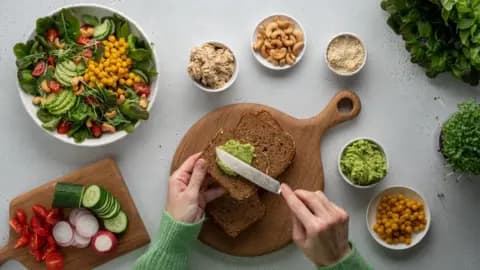
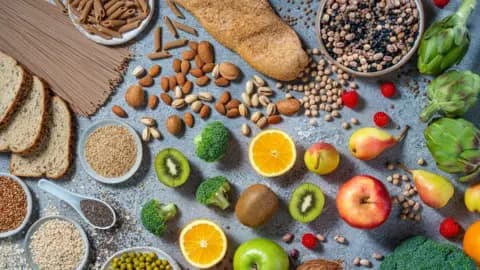
Why the sudden focus? Because the low-fibre epidemic is hitting critical mass. We see the 'benefits'—improved regularity, better satiety—but we ignore the cost. Fibremaxxing often means relying on isolated psyllium husks or heavily fortified bars, not the complex, diverse fibre found naturally in whole foods. This is the industrial complex selling you the antidote to the poison they helped create. The irony is thick enough to choke on. Real, whole-food fibre sources—legumes, ancient grains, diverse vegetables—come packaged with thousands of synergistic micronutrients, enzymes, and polyphenols. Isolating the fibre, as many 'maxxing' routines encourage, strips away the very complexity that makes it truly beneficial for long-term gut health.
Consider this: If you needed to eat 50 grams of fibre a day, would you rather eat 15 different types of plants, or choke down three scoops of tasteless powder? The latter is easier to market, easier to quantify, and easier to sell recurring subscriptions for. The market capitalizes on urgency, pushing people toward quick fixes over slow, sustainable change. This focus on high-volume intake, while temporarily effective for some, ignores the crucial concept of microbial diversity. A diverse diet feeds a diverse microbiome; a singular focus on one macro-nutrient risks throwing the balance further out of whack.
Where Do We Go From Here? The Prediction
The current trajectory of fibremaxxing will peak within 18 months, followed by a sharp, reactionary backlash. We will see a wave of articles pivoting from 'more is better' to 'quality over quantity.' Why? Because the extreme intake protocols will inevitably lead to digestive distress for a significant portion of the population who aren't adequately hydrated or aren't used to such rapid increases in bulk. Furthermore, regulatory bodies, noticing the massive influx of fibre-fortified products, will begin cracking down on misleading health claims, especially concerning processed foods suddenly rebranded as 'gut-friendly'. The next big trend won't be about adding more; it will be about 're-wilding' the gut with fermented foods and true food matrix integrity.
The true revolution won't be found on a supplement label, but in dismantling the industrial food system that made us fibre deficient in the first place. Until then, the 'maxxing' continues, a loud, visible distraction from the quiet, necessary work of eating real food. This obsession with optimisation is ultimately just another form of late-stage capitalism applied to our insides.
Gallery



Frequently Asked Questions
What is the recommended daily intake for dietary fibre?
General recommendations vary, but most health organizations suggest adults aim for between 25 to 38 grams of dietary fibre per day, depending on age and sex. For more detail, consult guidelines from authoritative sources like the Mayo Clinic.
Is fibremaxxing dangerous if done too quickly?
Yes. Rapidly increasing fibre intake, especially without sufficient water, can cause significant bloating, gas, cramping, and constipation. A gradual increase is essential for allowing the gut microbiome to adapt.
What are the best natural sources of diverse fibre?
The best sources are whole foods that offer a complex matrix of soluble and insoluble fibre, such as beans, lentils, oats, berries, avocados, and cruciferous vegetables like broccoli and Brussels sprouts.
How does fibremaxxing relate to the microbiome?
While fibre feeds beneficial gut bacteria, relying solely on isolated fibre supplements might not promote the same level of microbial diversity as consuming a wide variety of plant-based foods.
Related News

The Gut Health Hustle: Why Your Dietitian’s Supplement List Is Actually A Billion-Dollar Marketing Ploy
The booming **gut health supplements** industry hides a dark secret. Are you buying wellness or just funding Big Pharma’s next big push for **microbiome testing**?

The 'Free' Health Hack That’s Quietly Killing the Gym Industry (And Why Your Therapist Loves It)
Forget expensive supplements. The real secret to **mental wellness** isn't grueling workouts; it's an activity experts now champion over traditional exercise for true **health benefits**.

The Silent Epidemic: Why Your 'Healthy' Checkup is Hiding America's Fatal Health Time Bomb
New data reveals most US adults carry risk factors for a fatal syndrome. This isn't just about lifestyle; it’s about systemic failure in preventive health.
