Fast Company’s ‘Brands That Matter’ List Hides the Real War: Why Dreame’s Win Signals Consumer Tech’s Coming Collapse

Dreame Technology's inclusion on Fast Company's list isn't just a win; it’s a warning shot in the global consumer electronics arms race. Analyze the hidden power shift.
Key Takeaways
- •Dreame's recognition signals the aggressive capture of the mid-to-high-end consumer technology market by cost-efficient global players.
- •The traditional 'premium moat' of legacy brands is rapidly dissolving due to superior price-to-performance ratios offered by competitors.
- •Expect major Western hardware brands to either exit mass markets or pivot entirely to high-margin software/subscription services to survive.
- •This trend validates a global strategy focused on rapid scaling and supply chain mastery over prolonged, expensive R&D cycles.
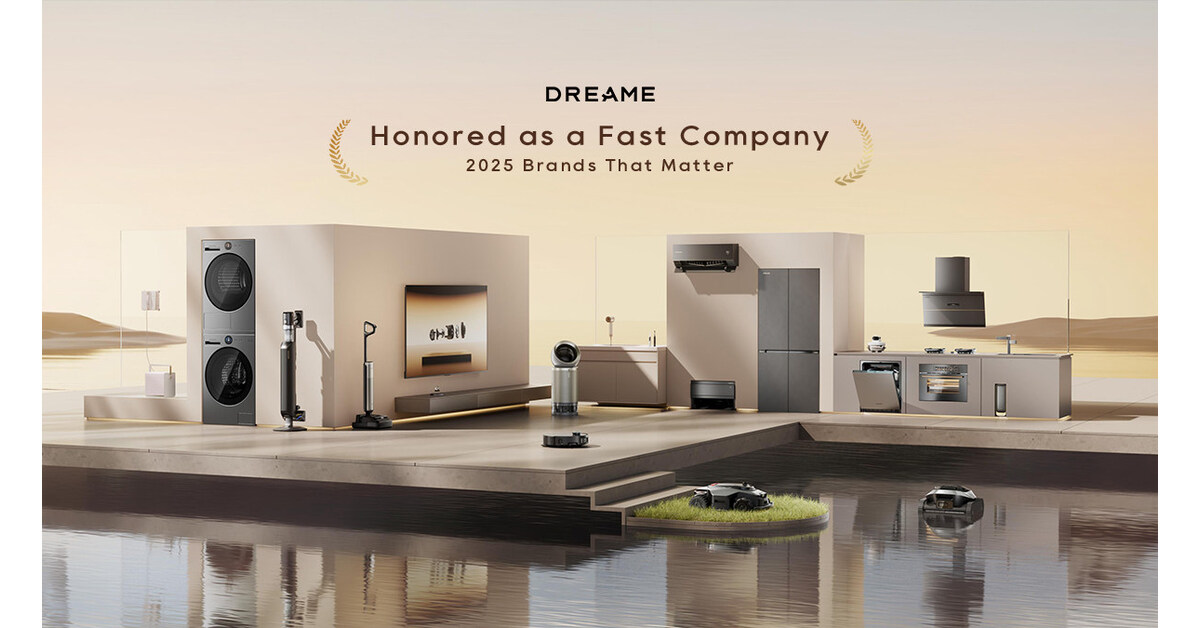
The news cycle loves a feel-good story: an underdog ascends, a brand gains validation. So, when Dreame Technology—the aggressive Chinese consumer electronics firm specializing in robotic vacuums and air purifiers—landed on Fast Company’s coveted ‘Brands That Matter’ list, the PR machine spun gold. But let’s cut through the confetti. This isn't just corporate recognition; it’s a geopolitical canary in the coal mine for the entire consumer technology sector.
The Unspoken Truth: It’s Not About Innovation, It’s About Infiltration
Why is Dreame, a company whose primary product line mimics established giants like iRobot (now owned by Amazon), suddenly deemed 'mattering'? Because they mastered the playbook Western brands forgot: ruthless price execution paired with acceptable quality. Fast Company praises their ‘sustainability’ efforts, but the real metric here is market penetration. Dreame isn't just selling gadgets; they are embedding themselves into the daily infrastructure of Western homes. This is about data capture and supply chain dominance, not just better suction power. The true winner here isn't Dreame’s CEO; it’s the underlying infrastructure that allows rapid, low-cost scaling from Shenzhen.
The losers? Legacy technology brands that rely on bloated R&D cycles and high margins. Companies like Dyson or Shark, which built empires on perceived premium status, are watching their turf eroded by competitors who treat innovation as an iterative, rather than revolutionary, process. This recognition validates the entire strategy of rapid imitation and aggressive global expansion that characterizes much of modern Chinese technology manufacturing.
Deep Analysis: The Death of the 'Premium' Moat
For years, the moat around premium home technology was brand loyalty and proprietary engineering. Dreame proves that moat is now reduced to a trickle. When a $400 robotic vacuum performs 90% as well as a $1,200 one, the consumer math changes instantly. This shift fundamentally alters purchasing behavior, moving the market from aspiration-based buying to utility-based buying. This is the democratization of convenience, driven by competitive pricing that often borders on unsustainable dumping to secure market share. We are witnessing the final stages of the commoditization of smart home hardware. The race for the best technology is now a race to the bottom on price.
Where Do We Go From Here? The Prediction
The next 18 months will see a sharp bifurcation in the market. Dreame and its ilk will consolidate the mid-to-high-end segment globally. The prediction? Traditional Western brands will be forced into one of two painful strategies: 1) They will either attempt to pivot entirely to ultra-luxury, high-margin niche products (think bespoke appliances), effectively abandoning the mass market, or 2) They will be forced to sell their hardware divisions entirely, retaining only the high-value software and subscription services layered on top. Expect major acquisitions or divestitures in the small appliance sector by Q4 2025. This recognition is merely the prelude to market restructuring.
The real challenge isn't just competition; it's the erosion of pricing power. As seen in other sectors, once Chinese firms master a category, Western incumbents struggle to justify their legacy costs. This isn't just about vacuum cleaners; it’s a blueprint for how global technology competition will unfold for the next decade. The era of the high-margin gadget is over.
Gallery


Frequently Asked Questions
What is Fast Company's 'Brands That Matter' list intended to recognize?
The list generally aims to highlight brands that are demonstrating significant cultural, economic, or social impact, often focusing on innovation, purpose-driven strategies, and market disruption.
How does Dreame Technology primarily compete against established vacuum brands?
Dreame competes primarily through aggressive pricing strategies, leveraging efficient global supply chains, and rapidly iterating on existing robotic vacuum and air purifier technologies to offer near-parity performance at significantly lower retail costs.
What are the long-term implications of Chinese firms dominating home technology sectors?
The long-term implications include increased pressure on Western manufacturing and R&D spending, potential concerns over data security embedded in smart home devices, and a fundamental shift in consumer expectations regarding the cost of advanced home automation.
Is Dreame Technology considered a truly innovative company or primarily an imitator?
While Dreame excels at rapid iteration and market execution, critics often view them as fast followers who optimize existing concepts rather than pioneers. Their success lies in perfecting the user experience and price point, rather than inventing entirely new categories.
