CES 2026 Day 1: The Tech That Won't Change Your Life (And The Real Winner Nobody Saw)
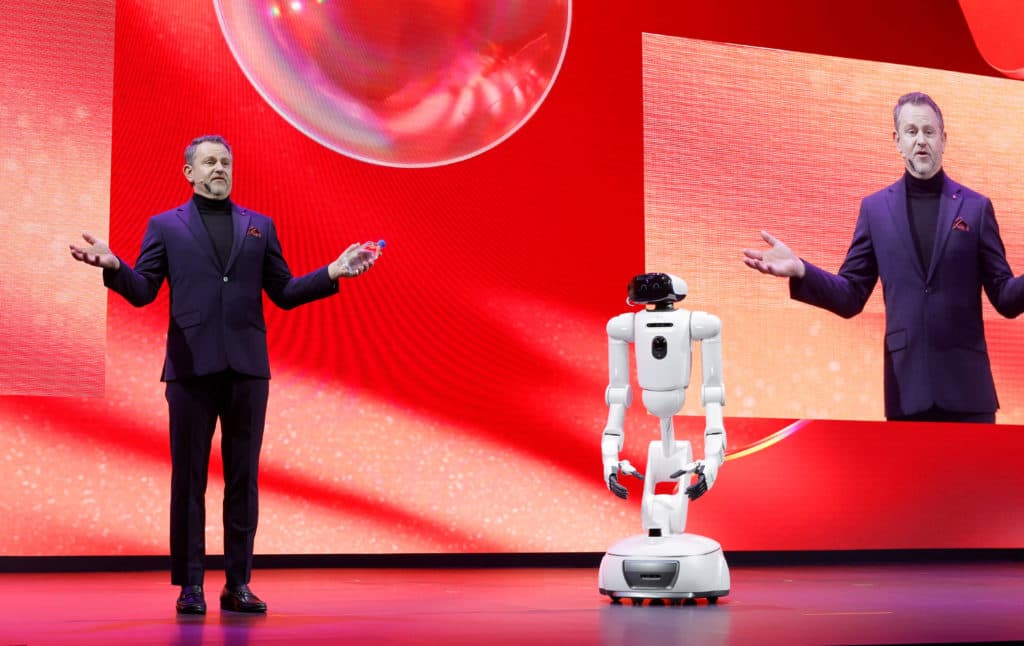
Forget the flashy gadgets. The real story from CES 2026 Day 1 isn't about consumer tech; it's about infrastructure and the looming data centralization crisis.
Key Takeaways
- •The primary winners at CES 2026 are infrastructure and data aggregation companies, not gadget makers.
- •Hyper-personalization is a Trojan Horse for total user data harvesting and dependency.
- •The future involves a sharp divide between 'data-clean' luxury tech and mass-market surveillance tech.
- •The focus should be on data pipeline control, not superficial hardware advancements.
The Mirage of Innovation: Why CES 2026 Day 1 Was a Masterclass in Distraction
The annual pilgrimage to Las Vegas for CES always delivers a predictable deluge of transparent TVs, self-folding luggage, and AI-powered toasters. Day 1 of CES 2026 was no different. We saw dazzling demonstrations of extended reality (XR) interfaces and personalized bio-monitoring devices. But let’s cut through the noise. This isn't about consumer technology; this is about market consolidation.
The headlines are screaming about the new 'NeuralLink Lite' wearables and the quantum-dot micro-displays. But the unspoken truth—the real winner emerging from the convention floor—is the infrastructure giants powering these vaporware dreams. While consumers look at the shiny new screen, the B2B deals being signed in the back rooms concern next-generation edge computing platforms and proprietary data pipelines. This year’s technology showcase wasn't for us; it was a sales pitch to venture capitalists and enterprise clients.
The Hidden Cost of 'Personalization'
Every device shown promises hyper-personalization. Your refrigerator knows your cholesterol; your smart glasses adjust lighting based on your cortisol levels. This sounds utopian, but it’s deeply dystopian. The only way these systems achieve 'hyper-personalization' is through unprecedented, real-time data harvesting. The true innovation here is the normalization of total surveillance, monetized under the guise of convenience. We are willingly exchanging our autonomy for marginally better recommendations.
Consider the narrative push around 'Ambient Computing.' It’s not about making life easier; it’s about making the user base completely dependent on a handful of vertically integrated tech stacks. If you buy into Ecosystem A, you are locked in. The diversity of new technology is an illusion; the underlying operating systems and data aggregation points are increasingly controlled by fewer entities. This is the opposite of open innovation.
Where Do We Go From Here? The Prediction
The current trajectory leads to a bifurcated digital reality. On one side, the affluent will pay premium prices for 'Data-Clean' environments—devices that operate locally or use decentralized protocols (a niche, expensive market). On the other, the mass market will adopt the deeply integrated, 'free' services that constantly monitor and optimize their lives for corporate profit. My prediction? By CES 2028, the concept of a truly 'private' smart device will be a luxury good, akin to owning a non-electric vehicle today. The push for seamless integration will crush any remaining commitment to user privacy among mainstream manufacturers.
The real battle isn't over who makes the best screen, but who controls the pipes transporting the data. Look past the flashy demos and examine the white papers on silicon density and network latency—that’s where the real power shift is occurring. For more on the economic implications of data monopolies, see reports from the [Organization for Economic Co-operation and Development (OECD)](https://www.oecd.org/).
This is not progress; it's strategic enclosure. The next few years will be defined by consumers realizing they aren't the customers—they are the product being refined for sale. The hype cycle is designed to obscure this fundamental transaction.
Gallery

Frequently Asked Questions
What was the most overhyped technology at CES 2026 Day 1?
The most overhyped announcements were generally in the personal XR space. While visually impressive, the underlying processing power and battery limitations mean these devices are still years away from mainstream utility, serving mostly as proof-of-concept demos for infrastructure upgrades.
What is 'Ambient Computing' and why is it concerning?
Ambient Computing refers to technology that is always present and integrated into the environment, anticipating user needs. It is concerning because it requires constant, pervasive data collection on every aspect of life to function effectively, centralizing power with the platforms that process that data.
Who benefits most from the infrastructure deals announced at CES?
The primary beneficiaries are the major cloud providers and semiconductor manufacturers who supply the specialized hardware necessary for running massive, low-latency AI models at the network edge. These are the companies building the new digital rails.
Are there any truly decentralized technologies showcased?
While blockchain and decentralized autonomous organization (DAO) concepts were present, they were heavily marginalized. The dominant narrative favored centralized, proprietary ecosystems, suggesting that decentralization remains an academic curiosity rather than an industry priority for now.
Related News
The Digital Scalpel: Why Identifying the Manage My Health Hacker Changes Nothing About New Zealand's Health Data Crisis
The capture of the Manage My Health hacker is a distraction. New Zealand's critical health data security remains fundamentally broken.

The Hidden War Over Your Health Data: Why T-Systems Calling Philips Is the Real Cybersecurity Scandal
The recent T-Systems/Philips executive contact signals a seismic shift in **digital health** strategy, revealing deeper **IT outsourcing** vulnerabilities in global **healthcare technology**.

The Hidden Cost of Automated Rail Crossings: Why NSW's Tech Trial Is a Trojan Horse for Surveillance
Transport for NSW's new level crossing technology trial isn't just about safety; it's a massive data grab. We dissect the real agenda behind this 'smart infrastructure' rollout.
