Amazon Go's Silent Death: The Real Reason the 'Cashierless Revolution' Failed

The demise of Amazon Go stores isn't about tech failure. It's about consumer fatigue and the hidden cost of convenience in retail technology.
Key Takeaways
- •The failure stems from consumer trust deficit regarding constant in-store surveillance, not technical capability.
- •Amazon is pivoting to license Just Walk Out (JWO) technology B2B rather than operate consumer-facing stores.
- •Incumbent retailers who avoided extreme automation models avoided this massive R&D sinkhole.
- •The core lesson: Consumers prioritize simple transparency over complex, opaque automation for small purchases.
The Quiet Exit: Amazon Pulls the Plug on Go
The headlines barely registered a tremor: Amazon is shuttering its remaining Amazon Go convenience stores. This wasn't a slow decline; it was a calculated, almost silent retreat from the flagship physical retail experiment that promised to redefine shopping. We are told this is a strategic pivot, a refocusing of resources. That's the PR spin. The **unspoken truth** about the failure of Amazon Go is far more damning for the future of frictionless retail.
The core technology—Just Walk Out (JWO)—was brilliant in concept. Sensors, computer vision, and sophisticated algorithms tracked every item lifted. Yet, the friction wasn't removed; it was merely relocated. Instead of waiting in line, customers faced the anxiety of the final receipt audit, the dreaded 'Did I steal that?' moment when leaving the store. This psychological hurdle, combined with the inherent absurdity of a store that requires you to scan an app to enter but still demands you verify your exit, proved fatal.
Who Really Wins When the Future Fails?
The biggest loser here is the narrative that technology alone can solve deeply human problems. Amazon didn't fail because the tech didn't work; they failed because the retail technology premise was flawed. Consumers, while loving novelty, ultimately value transparency and simplicity over complex, opaque automation.
Who wins? Ironically, the brick-and-mortar incumbents who stuck to hybrid models. Target and Walmart, while often mocked for their slower digital adoption, never staked their entire reputation on an all-or-nothing technological gamble. Furthermore, the real winners are the legacy Point-of-Sale (POS) providers. They retain the high-margin, reliable business, while Amazon absorbed the massive R&D cost of proving that consumers aren't ready to be tracked this intimately in a small-format setting. This retreat sends a chilling signal across the entire omnichannel retail sector.
The Deep Dive: The Trust Deficit in Frictionless Shopping
This isn't just about convenience; it’s about surveillance capitalism encroaching on mundane daily life. The necessity of linking a personal digital profile to the act of buying a $3 soda created a trust deficit. Consumers are willing to trade data for personalized entertainment (Netflix, Spotify), but they balk when that trade-off is required for basic necessities. The promise of Amazon Go was effortless shopping; the reality was mandatory, constant tracking. For a company already under intense regulatory scrutiny, doubling down on this level of granular in-store data collection was a liability waiting to explode. The death of Go is a victory for consumer privacy theater, if not actual privacy.
What Happens Next? The Prediction
Expect a significant pivot: Amazon will not abandon cashierless dreams, but they will license the JWO technology to existing grocery chains under strict, anonymized data agreements. They learned that owning the storefront created too much operational overhead and public relations risk. The future of JWO is B2B backend infrastructure, not flagship consumer experience. We will see JWO integrated into stadiums or corporate cafeterias where user identity is already established, rather than in public-facing convenience stores. The next big retail battle won't be about *if* you can walk out without paying, but *how much* of your identity you must surrender to do so.
Frequently Asked Questions
Why did Amazon decide to close the Amazon Go stores?
Amazon officially cited a decision to focus on their Amazon Fresh and 'Just Walk Out' technology licensing business, effectively admitting the standalone Go store concept was not scaling profitably or meeting consumer adoption expectations.
What is the main criticism of the 'Just Walk Out' technology?
The main criticism revolves around the lack of transparency; customers often felt anxiety over the final receipt audit and resented the necessity of linking their personal Amazon account to every small transaction for tracking purposes.
Will Amazon ever try a cashierless store model again?
It is highly likely they will integrate the technology into larger formats like Amazon Fresh or license it out, but they will likely avoid the small, high-frequency convenience store model which proved too operationally complex and psychologically intrusive for the average shopper.
What are high-volume keywords related to this topic?
High-volume keywords include 'Amazon Go closure', 'Just Walk Out technology', and 'frictionless retail failure'.
Related News

The Hidden Cost of 'Fintech Strategy': Why Visionaries Like Setty Are Actually Building Digital Gatekeepers
The narrative around fintech strategy often ignores the consolidation of power. We analyze Raghavendra P. Setty's role in the evolving financial technology landscape.
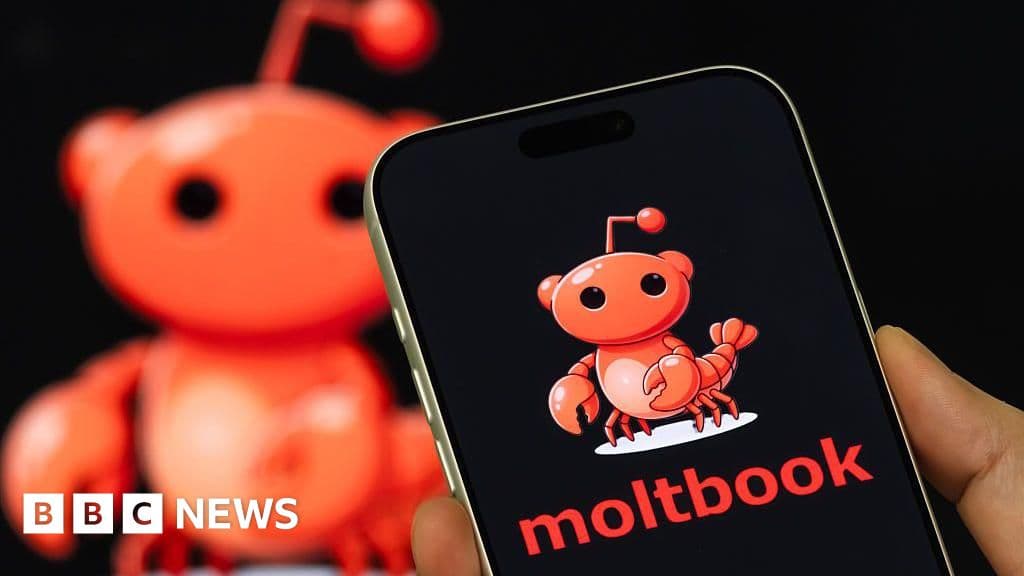
Moltbook: The 'AI Social Network' Is A Data Trojan Horse, Not A Utopia
Forget the hype. Moltbook, the supposed 'social media network for AI,' is less about collaboration and more about centralized data harvesting. We analyze the hidden risks.

The EU’s Quantum Gambit: Why the SUPREME Superconducting Project is Actually a Declaration of War on US Tech Dominance
The EU just funded the SUPREME project for superconducting tech. But this isn't just R&D; it's a geopolitical power play in the race for quantum supremacy.

DailyWorld Editorial
AI-Assisted, Human-Reviewed
Reviewed By
DailyWorld Editorial