The 'Universal Kidney' Lie: Who Really Profits When Blood Barriers Crumble?
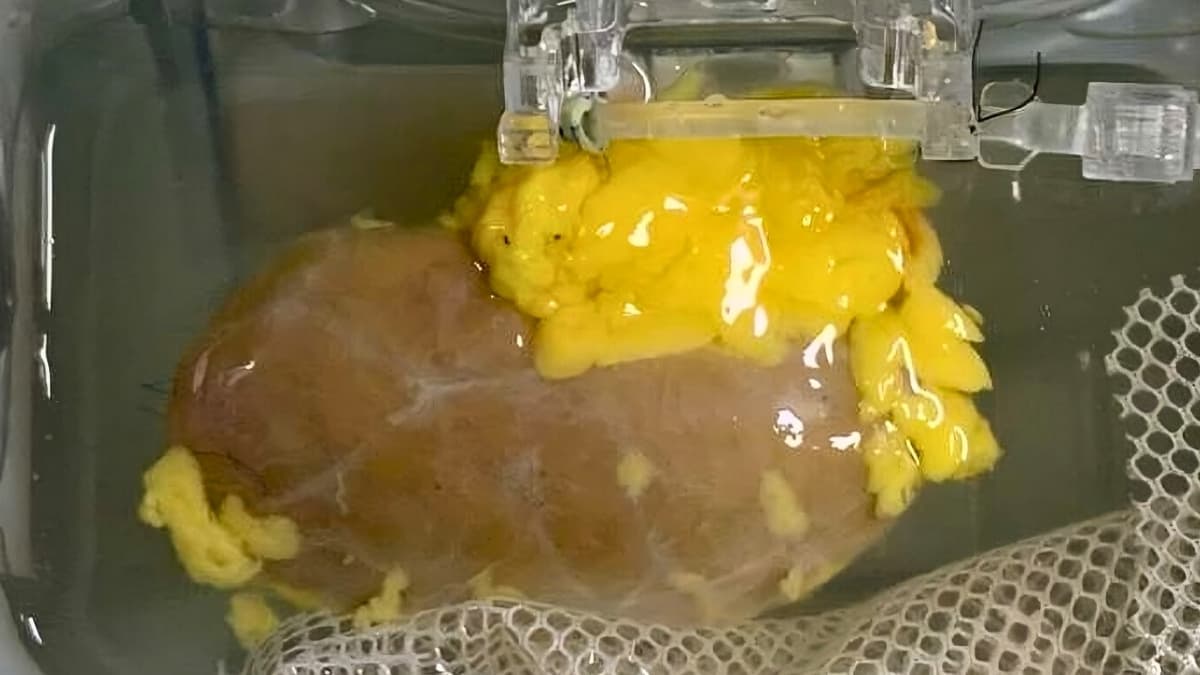
The promise of a universal kidney transplant is here, but the real story behind this breakthrough in **organ transplantation** hides massive economic shifts.
Key Takeaways
- •The 'universal kidney' uses enzyme treatment to remove blood-group antigens, potentially bypassing major rejection barriers.
- •The core risk is market consolidation; patent holders will likely control access through high pricing, creating economic inequality in transplants.
- •The focus shifts from immunological matching to financial access, potentially worsening disparities.
- •Scalability and regulatory hurdles will slow widespread adoption beyond elite medical centers initially.
The 'Universal Kidney' Lie: Who Really Profits When Blood Barriers Crumble?
For decades, the tyranny of the ABO blood group system has dictated the agonizing wait for life-saving **organ transplantation**. If you’re Type O, you wait longer. If you have rare antibodies, you wait indefinitely. Now, scientists claim they’ve engineered a 'universal' kidney capable of bypassing these immunological roadblocks. This isn't just a scientific footnote; it’s a potential tectonic shift in healthcare economics. But before we celebrate the end of the transplant waiting list, we must ask: who is this technology *really* for?
The Science: De-Branding the Organ
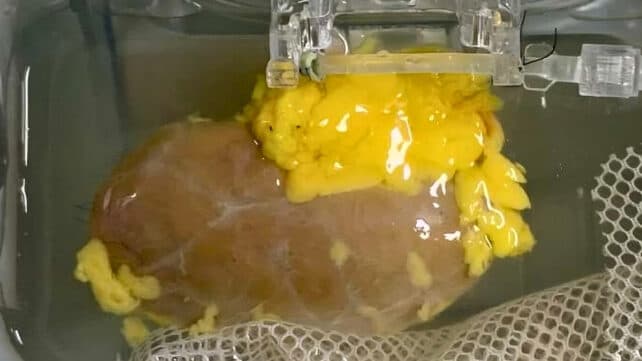
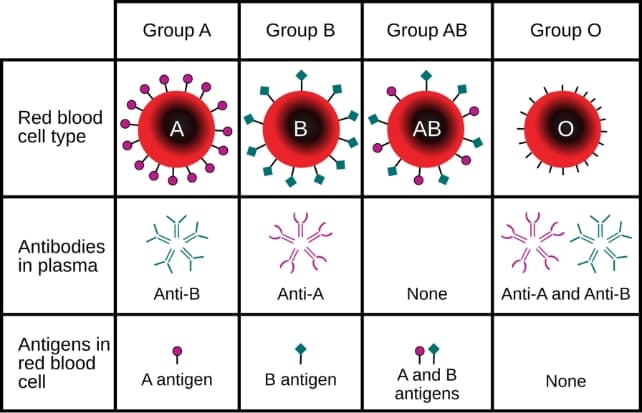
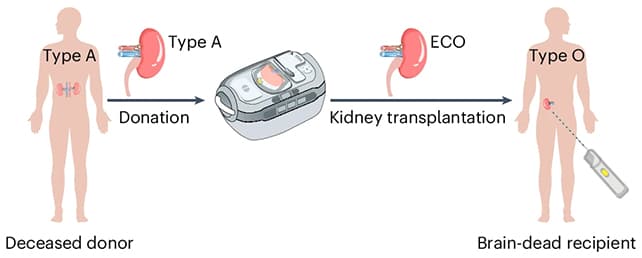
The breakthrough centers on enzymatic modification. Essentially, researchers are stripping the antigens (the 'flags' that signal 'foreign' to the recipient's immune system) off donor organs, making them appear 'blood-type neutral.' This bypasses the hyperacute rejection that usually destroys incompatible organs within minutes. It’s brilliant biochemistry, no doubt. However, this isn't the first attempt at universal compatibility; previous attempts have faced scalability and long-term viability issues. The current success in preclinical models suggests a path forward, but scaling this process for mass production—which is the true test of any medical advancement in science—remains the billion-dollar question.
The Unspoken Truth: Consolidation and Cost
The real story here isn't altruism; it's market control. Who owns the patent on the enzymatic 'de-branding' process? Large biotech firms, not the university labs, will ultimately control licensing. This means the initial beneficiaries won't be the uninsured or those in developing nations facing the worst shortages. Instead, expect premium pricing for 'universal' organs in first-world markets. This technology, while potentially saving lives, risks creating a two-tiered organ system: the 'standard' wait for the poor, and the immediate 'universal' fix for the wealthy.
Furthermore, consider the infrastructure. Manufacturing these modified organs requires specialized facilities and highly trained staff. This centralizes power and expertise, further marginalizing smaller transplant centers. The winners are the specialized organ engineering consortiums; the losers are the decentralized, community-based healthcare models.
Where Do We Go From Here? The Prediction
My prediction is that within five years, the first wave of 'universal' modified kidneys will enter limited clinical trials, focusing exclusively on high-net-worth patients or those covered by elite insurance plans. The public narrative will be overwhelmingly positive—focused on the science and the saved lives. However, the true bottleneck will shift from blood typing to economic access. We won't eliminate the waiting list; we will simply change the criteria from immunological compatibility to financial solvency. Expect regulatory bodies to struggle to price-cap this technology, leading to years of legal battles mirroring those seen with early gene therapies. The ethical debate will move from 'Can we?' to 'Who deserves it?'
This breakthrough in organ transplantation is a monumental scientific achievement, but its societal impact hinges entirely on distribution equity, a factor science rarely controls.
Gallery

Frequently Asked Questions
What is the main hurdle preventing universal organ transplants currently?
The primary hurdle is the ABO blood group system; the recipient's immune system immediately recognizes incompatible donor antigens (like A or B markers) as foreign, leading to hyperacute rejection.
How does the new technique neutralize the blood type markers?
Scientists are using specific enzymes to cleave off the sugars that make up the A and B antigens on the surface of the donor organ's blood vessels, effectively making the organ appear immunologically 'blank' or universal.
Will this technology eliminate the organ transplant waiting list?
No, not immediately. While it removes one major compatibility barrier, issues like organ size, tissue matching (HLA), and the sheer scarcity of available donor organs will remain significant factors.
What are the key high-authority domains related to organ donation statistics?
Reliable data on organ donation rates and waiting lists can be found through organizations like the United Network for Organ Sharing (UNOS) in the US, or major international health bodies.
Related News

The Immune System Is the Real Sugar Killer: Why Pharma Is Hiding This Type 2 Diabetes Breakthrough
Forget insulin resistance. The latest research points to an immune system target for Type 2 Diabetes, signaling a seismic shift in metabolic treatment.

The Billionaire's Longevity Playbook: Why Your 'Healthy Habits' Are Just Expensive Window Dressing
Longevity science is booming, but the routines of experts reveal a stark truth about access and optimization.

The Blood-Brain Barrier Lie: Why Antibody Tech Won't Cure Alzheimer's—Yet
The hype around BBB-crossing antibody technology masks a brutal reality. Is this truly a breakthrough, or just another pharmaceutical mirage in the fight against neurodegeneration?

DailyWorld Editorial
AI-Assisted, Human-Reviewed
Reviewed By
DailyWorld Editorial