The Transportation Tech Bubble: Why Self-Driving Cars Are Not the Real Revolution
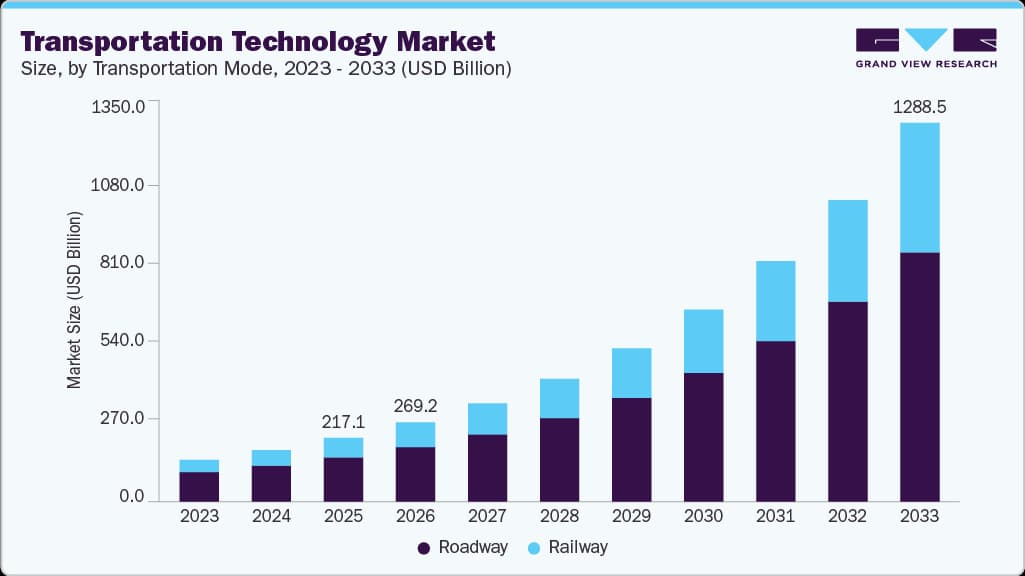
The massive transportation technology market is hiding a dirty secret: centralized control. Who really wins in this AI-driven future?
Key Takeaways
- •The primary winner in transportation tech is platform owners who monetize data, not end-users or drivers.
- •EV adoption is primarily a strategy for increased software control and vendor lock-in.
- •The real immediate revenue boom will be in autonomous commercial logistics, not consumer self-driving cars.
- •Centralization of movement control creates massive systemic fragility in the supply chain.
The Transportation Tech Bubble: Why Self-Driving Cars Are Not the Real Revolution
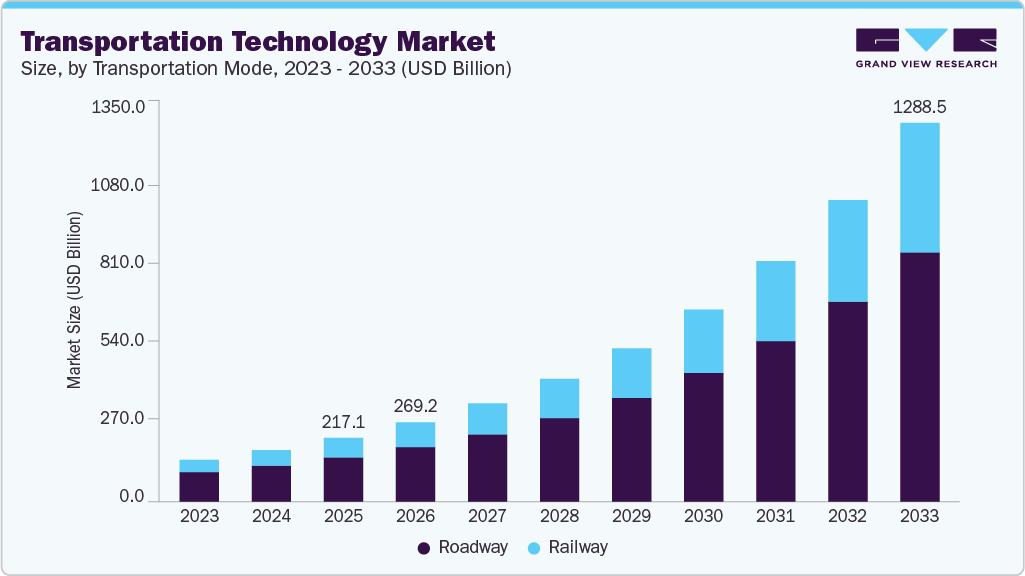
Every analyst report screams growth for the transportation technology market. We are drowning in hype about autonomous vehicles, hyperloops, and electric fleets. But beneath the glossy projections from firms like Grand View Research lies a critical, ignored truth: the race for mobility as a service (MaaS) is not about moving people efficiently; it’s about owning the data exhaust of human movement.
The current narrative focuses on consumer benefit—safer roads, less congestion. This is kindergarten thinking. The real battlefield in the global transportation technology sector is the centralization of control. When your car, your truck, and your drone are all running on proprietary software stacks owned by three or four mega-corporations, you haven't achieved freedom; you've achieved perfect, scalable surveillance and monetization.
The Unspoken Truth: The Death of the Independent Driver
Who truly wins? Not the consumer, and certainly not the millions of independent logistics operators, taxi drivers, and small fleet owners whose livelihoods are predicated on the *inefficiency* of human labor. The winners are the platform architects. They capture the value stream at every turn: subscription fees, predictive maintenance alerts sold back to manufacturers, and, most critically, the granular location data used for everything from real estate valuation to insurance underwriting.
Consider the electric vehicle (EV) transition. It's framed as an environmental imperative, but it’s also a software upgrade opportunity. EVs are essentially computers on wheels, making them inherently more susceptible to over-the-air updates and remote disabling—a level of control impossible with legacy internal combustion engines. This shift solidifies vendor lock-in, a concept familiar to anyone who has wrestled with proprietary software ecosystems. This isn't innovation; it's industrial consolidation disguised as progress. For a deeper look at how Big Tech absorbs industries, see analyses from the Reuters Technology Section.
Why This Matters: The Infrastructure of Control
The integration of AI and IoT into logistics (often termed Industry 4.0) means that control over the physical movement of goods and people becomes a single, vulnerable choke point. If a major logistics platform experiences an outage or, worse, is compromised, the ripple effect cascades across the entire economy, far beyond simple traffic jams. We are trading resilience for optimization. The backbone of modern society—its ability to move—is being handed over to algorithms designed for profit maximization, not public good. This is a structural shift in economic power, far more profound than the shift from horse to automobile.
What Happens Next? The 'Legacy' Collapse
My prediction is that the focus on Level 5 autonomy in passenger vehicles will plateau, becoming a niche luxury feature for the next decade, while the real revenue explosion happens in **autonomous commercial logistics**—trucking, last-mile delivery drones, and port automation. Why? Because the economic incentive (labor savings) is immediate and massive. Passenger cars, tangled in liability laws and public skepticism, will lag. We will see a two-tiered system emerge: highly optimized, automated freight corridors operating 24/7, while human drivers remain stuck handling the unpredictable, low-margin 'last mile' until the algorithms solve that problem too. The gap between automated efficiency and human capacity will widen dramatically.
The true disruptor won't be the flying taxi; it will be the centralized, invisible software managing the flow of necessities. To understand the implications of systemic risk in networked systems, review the foundational work on Systemic Risk.
Gallery
Frequently Asked Questions
What is the biggest risk associated with the growth of the transportation technology market?
The biggest risk is systemic failure due to over-reliance on centralized, proprietary software platforms. A single point of failure in a major MaaS or logistics network could paralyze economic activity.
Will self-driving cars ever fully replace human drivers?
Full replacement is unlikely in the near term due to regulatory hurdles and liability issues. The technology will likely become a premium feature for wealthy consumers while commercial logistics see faster adoption due to immediate labor cost savings.
How does the EV transition impact technological control?
Electric vehicles are fundamentally more connected and software-dependent than gasoline cars, allowing manufacturers and service providers greater remote oversight and control over vehicle operation and data collection.
What is the difference between MaaS and traditional transportation?
Mobility as a Service (MaaS) shifts ownership away from the individual towards subscription-based access to shared, optimized, and usually app-controlled transport options, prioritizing data capture over asset ownership.

DailyWorld Editorial
AI-Assisted, Human-Reviewed
Reviewed By
DailyWorld Editorial