The Spider Silk Lie: Why Your Bulletproof Future Isn't Made of Webs (Yet)
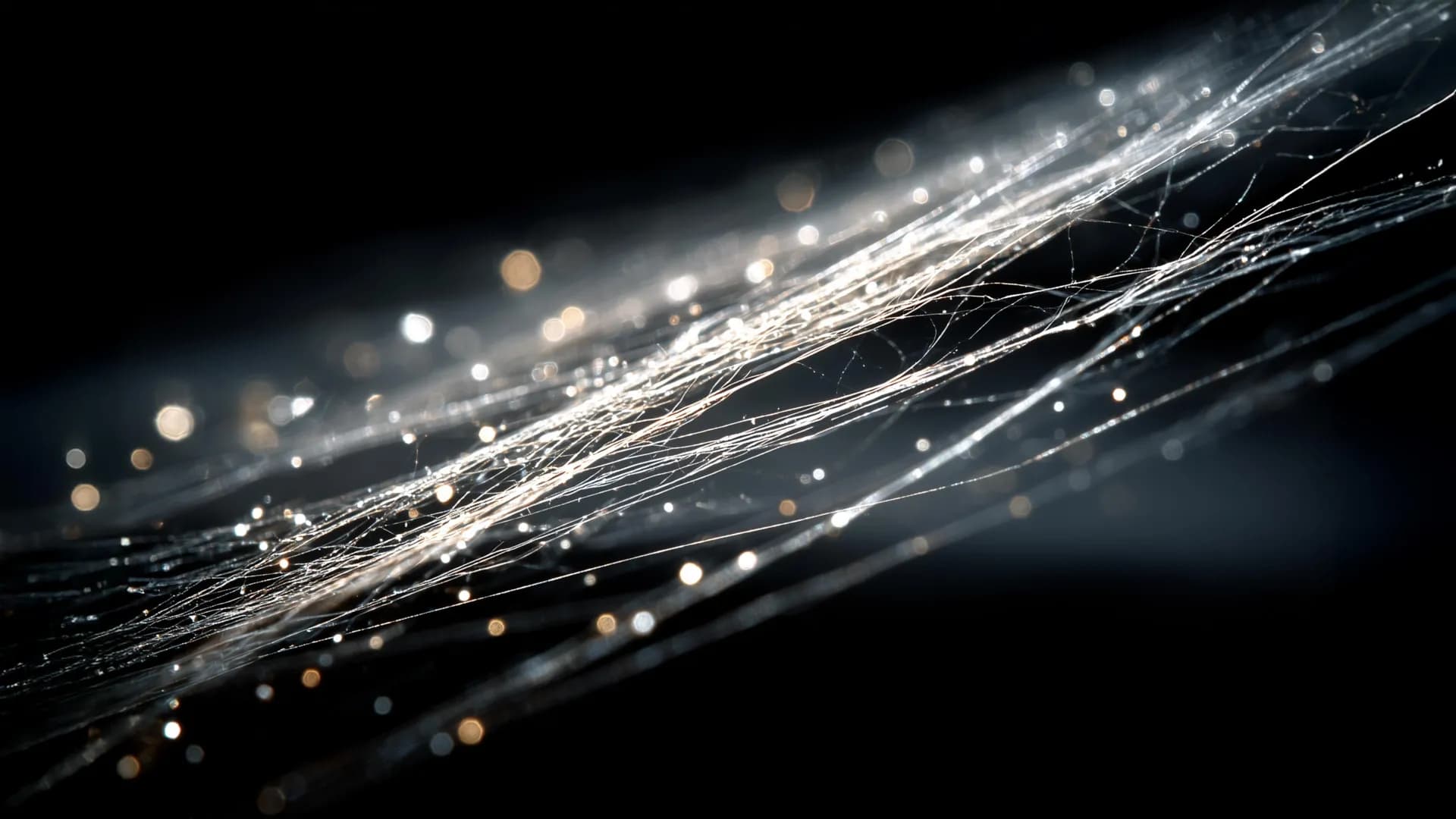
New breakthroughs in synthetic spider silk are exciting, but the 'unbreakable' hype hides massive production roadblocks and vested interests.
Key Takeaways
- •Molecular breakthroughs are real, but industrial scalability remains the primary, unsolved hurdle.
- •The real immediate winners are patent holders, not textile manufacturers or consumers.
- •The 'green' credentials of bio-manufacturing must be critically evaluated against established synthetic processes.
- •Expect niche, high-cost applications first (medical, aerospace), not mass-market disruption.
The Hook: The Billion-Dollar Myth of the Unbreakable Fiber
We are constantly fed the fairy tale of synthetic spider silk: the material so strong it could revolutionize everything from body armor to surgical sutures. The latest headlines scream about a “tiny molecular trick” making natural silk nearly unbreakable. But as investigative journalists, we must ask: Who benefits when we focus on the molecular magic instead of the messy industrial reality? The truth is, while the science is fascinating, the race for biomaterials is less about nature's perfection and more about patent wars and scalability nightmares.
The core discovery, often involving manipulating the silk's internal structure—perhaps controlling how the proteins crystallize or align—is genuine science. Researchers are indeed getting closer to mimicking the incredible tensile strength and elasticity that makes dragline silk superior to steel by weight. This isn't just about making a stronger thread; it's about mastering hierarchical material design. But focusing solely on the 'trick' ignores the elephant in the lab: spiders.
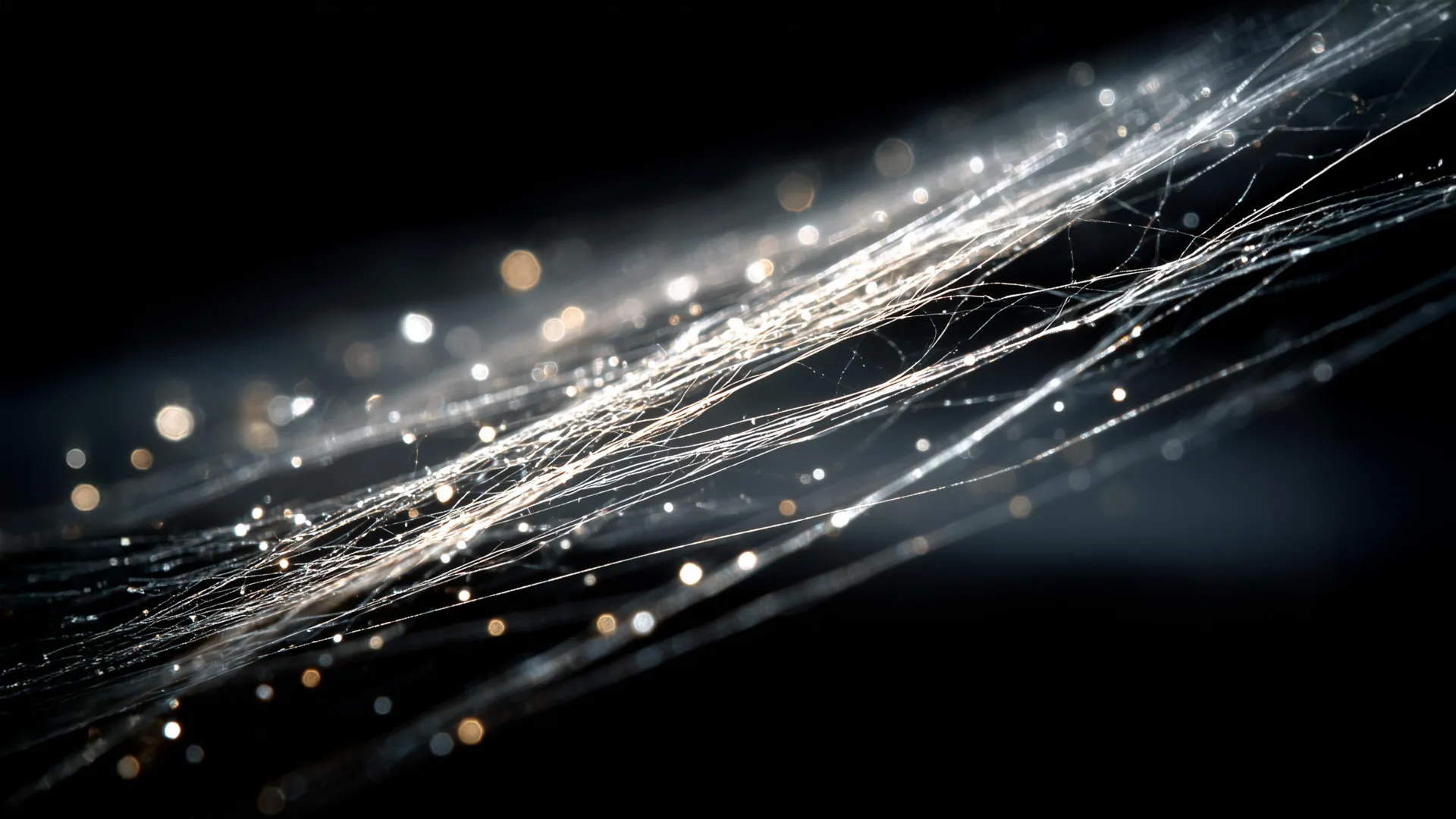
The 'Unspoken Truth': Why Industrializing Silk is a Nightmare
Here is the angle everyone in the popular science press misses: efficiency. Spiders are nature's ultimate micro-factories, producing this marvel in ambient conditions. Current methods for creating super-strong fibers—whether through genetically modified yeast, bacteria, or even goats—are hideously expensive and yield microscopic quantities. You can't armor a soldier with a thimble-full of lab-grown protein.
The real winner here isn't the consumer; it's the intellectual property holders. Every minor 'molecular trick' generates a new patent, locking down future applications. This fragmentation slows down true industrial adoption. We are witnessing a classic case of academic success creating commercial bottleneck. Compare this to the established, cheap, and reliable manufacturing of Kevlar. To truly disrupt the $10 billion protective textiles market, the synthetic equivalent must cost pennies per meter, not thousands.
Why It Matters: The Hidden Cost of 'Green' Materials
The push for biomaterials is often framed as an environmental win. But let’s analyze the inputs. Genetically engineering host organisms requires massive bioreactors, purified feedstocks, and significant energy inputs. Is a complex fermentation process truly 'greener' than established polymer chemistry? Often, the answer is no. We risk trading one set of environmental problems for another, more complex, and less transparent one. The pursuit of spider silk distracts investment capital from optimizing existing, proven synthetic materials.
What Happens Next? The Prediction
The next five years will see a massive market consolidation. The dozens of small biotech firms currently claiming breakthroughs will be bought out by two or three major chemical/textile conglomerates. They will use the patented 'tricks' not to replace Kevlar in body armor immediately, but to secure high-margin niches: specialized medical sutures, high-end athletic wear, and aerospace components where cost is secondary to performance. Full-scale, affordable replacement of established synthetics like nylon or polyester? That's a decade away, contingent on a radical, unforeseen leap in cost-effective bio-manufacturing.
The hype cycle around synthetic spider silk is designed to attract venture capital, not to outfit the next generation of soldiers. Keep watching the patents, not just the press releases.
Frequently Asked Questions
How much stronger is real spider silk than steel?
Spider dragline silk can be five times stronger than steel of the same weight, possessing superior toughness due to its unique combination of crystalline and amorphous protein structures.
Why can't scientists just farm spiders for silk?
Spiders are territorial and cannibalistic, making mass farming (like silkworms) impossible. They also produce silk only in tiny amounts relative to their body size.
What is the main barrier to commercializing synthetic spider silk?
The main barrier is the cost and efficiency of bio-production. Current methods using engineered microbes or yeast are too slow and expensive to compete with traditional polymers.
Is Kevlar being replaced by spider silk soon?
No. While synthetic spider silk shows promise, it is not yet cost-competitive or available at the necessary industrial scale to replace established materials like Kevlar in protective gear.
Related News
The AI Drug Whisperer: Why Lilly and Insilico’s 'Prompt-to-Drug' Vision Will Bankrupt Traditional Pharma
The 'Prompt-to-Drug' concept isn't just faster drug discovery; it's a seismic shift threatening the entire structure of pharmaceutical R&D.
The Data Heist: Why SPE Africa's New Academy Isn't About Training—It's About Control
SPE Africa's Data Science academy signals a silent war for talent. Discover who truly wins in the scramble for petroleum analytics.
The AI Seed Wars: Why Empowering Models to 'Read' Plants Is a Billion-Dollar Power Grab, Not Just Science
The race for **AI in agriculture** just hit warp speed. This new foundation model isn't about better tomatoes; it’s about who controls the biological code.

DailyWorld Editorial
AI-Assisted, Human-Reviewed
Reviewed By
DailyWorld Editorial