The South African Military-Industrial Complex is Back: Why the CSIR-Denel Pact is a Trojan Horse, Not a Triumph
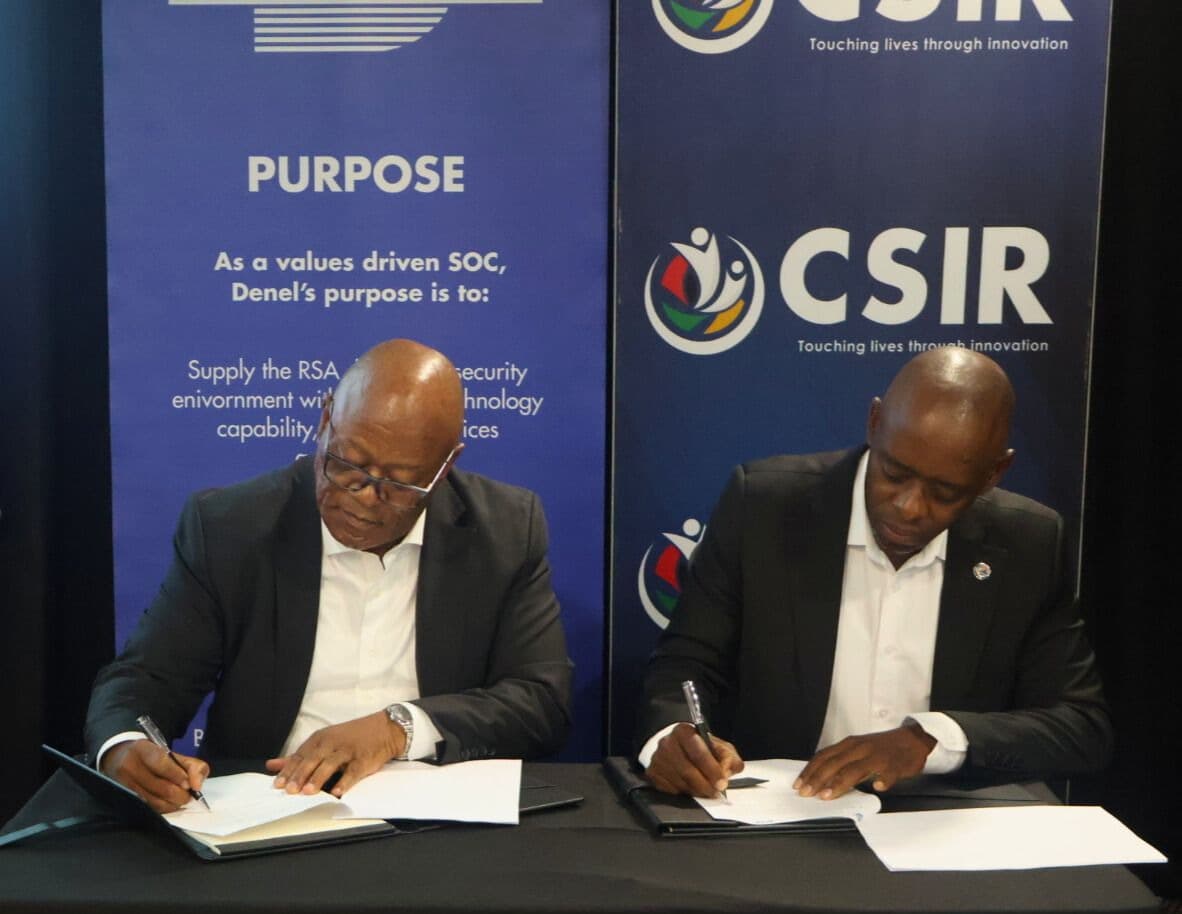
The CSIR and Denel partnership signals a desperate pivot for South African defense technology. Is this revival or a costly distraction?
Key Takeaways
- •The partnership is seen as a necessary survival measure for Denel, leveraging CSIR's research base.
- •The primary objective is strategic autonomy in defense capabilities, reducing foreign reliance.
- •Bureaucracy inherent in SOEs may stifle the rapid innovation required for modern defense tech.
- •Significant state investment is expected, but disruptive success remains questionable.
 ### The Contrarian View: Innovation Stifled by Bureaucracy
History shows that true disruptive innovation rarely blossoms under the rigid framework of state-owned enterprises (SOEs). The CSIR excels at pure science; Denel excels at navigating procurement red tape. Merging these two cultures is inherently fraught. The agility required to compete in modern **aerospace technology**—think drone swarms or advanced cyber defense—demands rapid prototyping and risk tolerance. Can a partnership tethered to the National Treasury and burdened by Denel’s legacy operational inefficiencies truly foster this environment? Highly unlikely. The bureaucracy will choke the innovation before it leaves the laboratory. This is a recipe for incremental upgrades, not revolutionary leaps.
### What Happens Next? The Prediction
Within 36 months, expect a heavily publicized, minor technological milestone (perhaps a drone prototype or a new sensor package) to be announced with fanfare. However, the larger, systemic integration required for true defense self-reliance will stall. The partnership will morph into a highly funded R&D sinkhole, consuming billions in state funds with minimal exportable, revenue-generating output. The real shakeup won't come from this MoU, but from a private sector player, unburdened by SOE history, who eventually acquires or partners with the talent spun off from this arrangement. This pact is a temporary political buffer, not a sustainable economic engine.
### Key Takeaways (TL;DR)
* The CSIR-Denel MoU is primarily a **financial lifeline** for Denel, securing state funding via R&D mandates.
* True **defense manufacturing** agility is unlikely given Denel's inherent bureaucratic drag.
* The partnership signals a strategic desire for autonomy, but the execution risks becoming an expensive drain on national resources.
* The real future of South African **technology transfer** success likely lies outside this specific SOE structure.
### The Contrarian View: Innovation Stifled by Bureaucracy
History shows that true disruptive innovation rarely blossoms under the rigid framework of state-owned enterprises (SOEs). The CSIR excels at pure science; Denel excels at navigating procurement red tape. Merging these two cultures is inherently fraught. The agility required to compete in modern **aerospace technology**—think drone swarms or advanced cyber defense—demands rapid prototyping and risk tolerance. Can a partnership tethered to the National Treasury and burdened by Denel’s legacy operational inefficiencies truly foster this environment? Highly unlikely. The bureaucracy will choke the innovation before it leaves the laboratory. This is a recipe for incremental upgrades, not revolutionary leaps.
### What Happens Next? The Prediction
Within 36 months, expect a heavily publicized, minor technological milestone (perhaps a drone prototype or a new sensor package) to be announced with fanfare. However, the larger, systemic integration required for true defense self-reliance will stall. The partnership will morph into a highly funded R&D sinkhole, consuming billions in state funds with minimal exportable, revenue-generating output. The real shakeup won't come from this MoU, but from a private sector player, unburdened by SOE history, who eventually acquires or partners with the talent spun off from this arrangement. This pact is a temporary political buffer, not a sustainable economic engine.
### Key Takeaways (TL;DR)
* The CSIR-Denel MoU is primarily a **financial lifeline** for Denel, securing state funding via R&D mandates.
* True **defense manufacturing** agility is unlikely given Denel's inherent bureaucratic drag.
* The partnership signals a strategic desire for autonomy, but the execution risks becoming an expensive drain on national resources.
* The real future of South African **technology transfer** success likely lies outside this specific SOE structure.Frequently Asked Questions
What is the main goal of the CSIR and Denel partnership?
The stated goal is to advance South Africa's capabilities in aerospace and military technologies by combining CSIR's research expertise with Denel's industrial application capacity.
Why is this partnership considered controversial by some analysts?
Critics argue that Denel's history of financial mismanagement and bureaucratic inefficiency could stifle the agility needed for true innovation, turning the collaboration into a state subsidy rather than a driver of competitiveness.
What is South Africa's current status in global defense manufacturing?
South Africa historically held a significant position, particularly in areas like artillery and naval systems, but has seen its influence wane due to reduced government spending and privatization pressures in recent decades. This partnership aims to reverse that decline.
What is the role of the CSIR in this agreement?
The CSIR brings fundamental scientific research, advanced materials science, and engineering expertise, which are crucial for developing next-generation military hardware and systems.
Related News

The $10 Billion Lie: Why the Rocky Mountain IP Institute Hides the Real Tech War
The annual Rocky Mountain IP Institute convenes, but the real battle for **technology** dominance isn't in the lecture halls—it's in the shadows of **patent litigation**.

The Addiction Lie: Why YouTube's 'Viewer Value' Claim is Just Genius PR for Surveillance Capitalism
YouTube executives preach 'viewer value,' but the real goal of their massive platform is far darker than mere entertainment.
The $7.8 Billion Bet: Why Gilead's Arcellx Buyout Signals the Death of the Solo CAR-T Dream
Gilead's massive $7.8bn acquisition of Arcellx isn't just about pipeline depth; it’s a brutal market consolidation signal in the competitive **biotech M&A** landscape.

DailyWorld Editorial
AI-Assisted, Human-Reviewed
Reviewed By
DailyWorld Editorial