The Silent War for STEM Dominance: Why Your Kid's Science Olympiad Trophy Hides a Brutal Truth
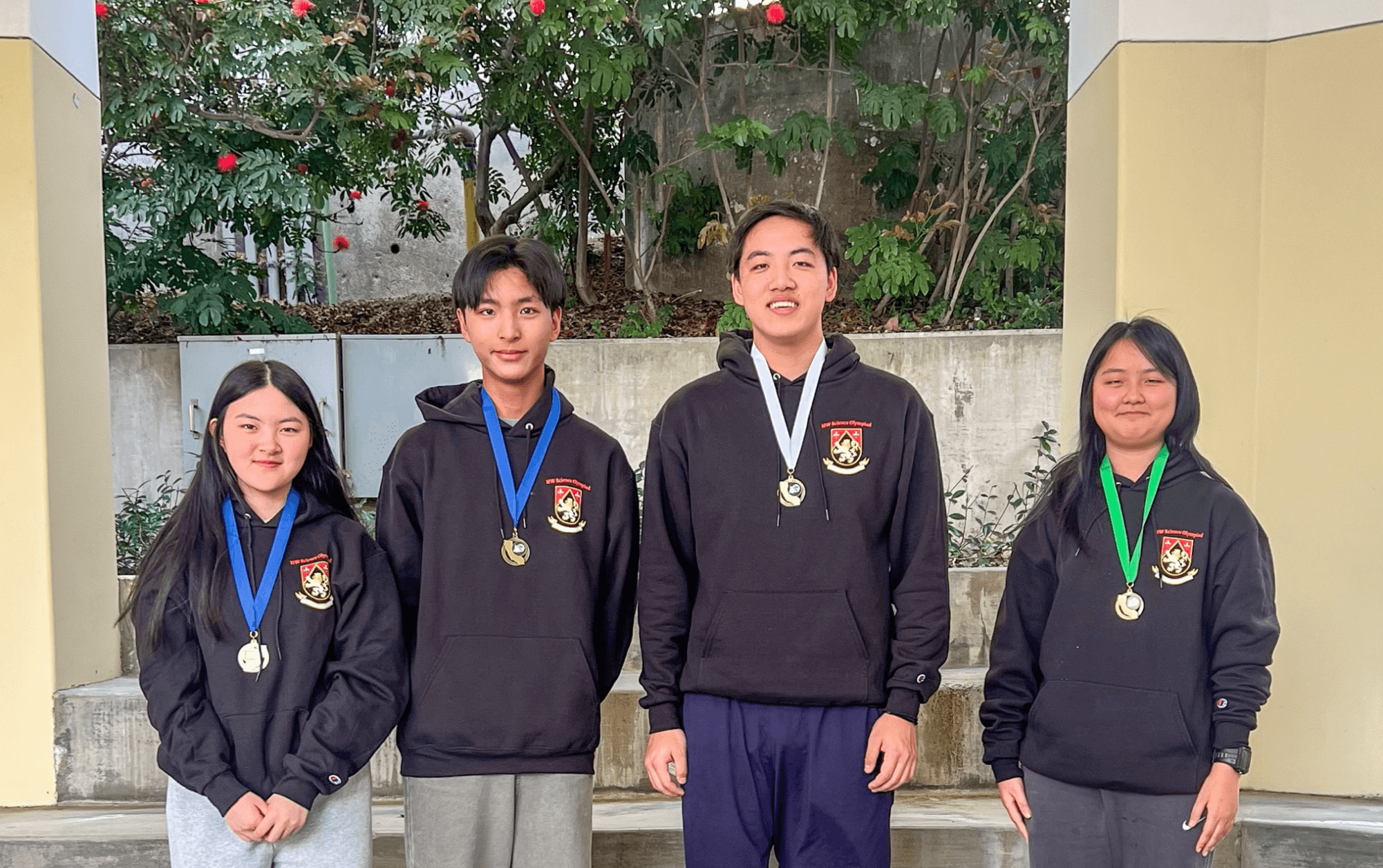
The recent USC Science Olympiad Invitational victory isn't just about high school science; it signals a tectonic shift in elite college admissions and future economic power.
Key Takeaways
- •Science Olympiad invitational success is increasingly a proxy for resource availability, not just student talent.
- •The hyper-competitive nature risks prioritizing measurable metrics over genuine scientific curiosity.
- •Elite universities heavily weigh these results, creating an admissions feedback loop that favors well-funded schools.
- •The trend points toward an increased stratification in early STEM pipeline access.
The Trophy Hides the Tactic: Decoding the Science Olympiad Arms Race
Another year, another dominant performance by the Harvard-Westlake Science Olympiad team at the USC Invitational. On the surface, this is a feel-good story about academic rigor and dedication. But peel back the veneer of school spirit, and you find something far more telling: a high-stakes proxy war for access to the engineering pipelines of MIT and Caltech. This isn't about the periodic table; it's about **STEM education** investment and the ruthless calculus of college applications.
The immediate headline screams success. But the unspoken truth is that these high-level invitational tournaments—the ones hosted by prestigious universities like USC—are less about pure scientific discovery and more about **academic performance indicators** that signal elite preparedness. The real winners aren't just the students; it's the institutions that can afford the specialized coaching, the custom-built lab equipment, and the sheer volume of dedicated time required to master events like 'Wright Stuff' or 'Anatomy & Physiology.'
We must stop viewing Science Olympiad as a quaint extracurricular. It is now a fiercely competitive, heavily resourced enterprise. When we analyze the results, we must ask: What hidden curriculum are these top-tier schools teaching that others aren't? It’s about translating abstract knowledge into measurable, competition-winning output, a skill that translates directly into lucrative careers in **applied science**.
The Economics of Excellence: Who Really Pays for the Gold?
The narrative often focuses on the 3 AM study sessions. The real focus should be on the budget. Consider the time commitment: mastering these events requires specialized mentorship that often goes beyond the standard high school curriculum. This level of specialization is a luxury. For every student celebrating a medal, there is an entire support structure—often funded by significant parent contributions or hyper-funded school programs—that acts as the true engine.
This creates an inevitable stratification. The accessibility gap in **STEM education** widens. While every student can theoretically learn physics, mastering the practical application required to win a national-level event often requires resources that only the wealthiest districts can consistently provide. This isn't just about fairness; it's about the future workforce. If the pipeline for future engineers and innovators is being filtered through these hyper-competitive, resource-heavy competitions, we are inadvertently designing a technological elite before they even graduate high school.
Future Shock: Where Do We Go From Here?
My prediction is stark: Science Olympiad, as currently structured, will become functionally inaccessible to most public schools within five years without massive, targeted external funding. The arms race will escalate. We will see a bifurcation: casual, regionally focused Science Olympiad clubs, and the hyper-professionalized national circuit. Universities, desperate for demonstrable proof of STEM aptitude, will continue to heavily weigh these results, inadvertently rewarding the resource-rich environments that foster them. The irony is that in the pursuit of broad scientific literacy, these competitions are creating highly specialized, narrow elites.
For the students involved, this intense focus on quantifiable metrics risks burning out the very curiosity that drives true scientific breakthroughs. The pressure to perform in specific, predetermined events stifles genuine, unstructured exploration—the kind that leads to Nobel Prizes, not just trophies. Look at the trajectory of innovation; it rarely comes from following the prescribed syllabus. The future demands adaptability, not just rote mastery of 23 specific event parameters.

The success at USC is undeniable. But the real story is the silent stratification it represents. We need to decide if we are training future scientists or simply training better test-takers for an increasingly expensive admissions game.
Frequently Asked Questions
What is the primary hidden agenda behind elite Science Olympiad performance?
The primary hidden agenda is using competition results as a quantifiable, university-validated metric of high-level STEM aptitude, which heavily influences elite college admissions decisions over general academic performance.
How does resource disparity affect Science Olympiad success?
Resource disparity directly impacts success by funding specialized coaching, expensive testing materials, and dedicated lab time necessary to master complex, high-level competition events, effectively creating an economic barrier to entry.
What is the difference between this and standard high school science?
Standard high school science focuses on curriculum mastery (e.g., AP/IB). Science Olympiad demands applied, competitive mastery under timed constraints, often requiring knowledge beyond the standard course load, thus functioning as a pre-professional training ground.
What high-authority sources track educational stratification?
Organizations like the National Center for Education Statistics (NCES) and studies published by organizations like the Brookings Institution frequently track and analyze educational stratification and resource gaps in US schools.

DailyWorld Editorial
AI-Assisted, Human-Reviewed
Reviewed By
DailyWorld Editorial