The Silent Tech War: Why Australian Skepticism of Chinese Innovation Is Really About Geopolitics, Not Gadgets

Forget the apps and the hardware. The real battle over Chinese technology in Australia is a proxy war for global influence and supply chain dominance.
Key Takeaways
- •The debate over Chinese tech in Australia is fundamentally geopolitical, not just about data privacy.
- •True winners are defense/intelligence sectors benefiting from heightened security spending and regulatory barriers.
- •Future regulation will shift toward 'certified vendor' programs, creating a bifurcated digital market.
- •Algorithmic dependence on foreign foundational software presents the greatest long-term strategic risk.
The recent dialogue surrounding Australian technology concerns regarding Chinese innovation—often framed as simple consumer apprehension—is a carefully constructed smokescreen. When Australians ask questions about TikTok, Huawei, or drone technology, they aren't just worried about data privacy; they are articulating the geopolitical anxiety of a Western-aligned nation caught between two global titans. This isn't a debate about superior engineering; it’s a proxy conflict over national security architecture and future economic sovereignty. The core issue driving this conversation is **global technology adoption**.
The Unspoken Truth: Sovereignty vs. Scale
The dominant narrative suggests that Chinese tech—be it in 5G infrastructure or electric vehicles—offers superior value or faster deployment. This is often true on a pure cost-benefit analysis. However, the hidden cost, the one rarely quantified in quarterly reports, is the relinquishing of control over critical digital pathways. For nations like Australia, whose security apparatus is deeply intertwined with the Five Eyes intelligence network, accepting foundational technology from a strategic competitor is akin to outsourcing national defense planning.
Who really wins? **Big Tech winners** are not the hardware manufacturers, but the intelligence agencies and defense contractors on both sides who benefit from the heightened tension. Increased scrutiny justifies massive domestic R&D spending and provides political cover for protectionist measures, regardless of which side implements them. The true loser is the average consumer and small business, forced to pay a premium for 'trusted' alternatives or face stunted innovation due to regulatory hurdles.
We must look beyond the headlines about data scraping. The real vulnerability lies in algorithmic dependence. If the operating system, the foundational software layer, originates from a state with divergent strategic interests, then every subsequent layer of Australian technology adoption becomes inherently compromised from a strategic viewpoint. This is the central tension overlooked in superficial media coverage.
The concept of **global technology adoption** demands a clear understanding of systemic risk. Is the convenience worth the potential systemic choke point? History suggests that technological dependencies rapidly calcify into political leverage. Consider the global semiconductor shortage; imagine that dependency magnified across every digital service.
Deep Dive: The Zero-Sum Game of Standards
The current friction is less about specific products and more about setting the global standards for the next generation of technology—AI governance, quantum computing protocols, and internet architecture. Countries aligning with Chinese tech standards are implicitly siding with a distinct vision of digital governance, one that prioritizes state oversight over Western ideals of open, decentralized internet access. This is the **Big Tech winners** scenario playing out on a macro scale: whoever dictates the standard controls the market.
Australia’s cautious approach is understandable, yet strategically reactive. Instead of simply banning or restricting, the opportunity lies in leveraging this tension to accelerate domestic capability—a move often talked about but rarely funded adequately. Until then, they remain highly susceptible to economic coercion disguised as market competition.
What Happens Next? The Prediction
The current pattern of cautious decoupling will accelerate, but not uniformly. We predict that within three years, Australia will pivot from outright banning specific Chinese tech companies to implementing 'certified vendor' programs across critical infrastructure sectors. This will create a bifurcated digital economy: a high-cost, 'trusted' domestic/allied ecosystem, and a lower-cost, high-risk consumer segment. This regulatory middle ground allows political leaders to claim they are both protecting security and supporting market access, effectively managing the optics of the **global technology adoption** dilemma while solidifying strategic alignment with Western allies. This fragmentation will ultimately slow down the pace of digital transformation domestically.
For more on the geopolitical dynamics shaping tech supply chains, see Reuters analysis on critical minerals dependency [Reuters]. Understanding the history of technological competition is also crucial [Britannica].
Gallery



Frequently Asked Questions
What is the main difference between Australian and Chinese approaches to technology regulation?
Australia generally aligns with Western models emphasizing data privacy and free-market competition, albeit with increasing national security overlays. China’s approach prioritizes state control, data localization, and utilizing technology for centralized governance and social management.
Why is 5G infrastructure a major point of contention regarding Chinese technology?
5G networks form the backbone of modern digital society. Concerns center on the potential for state-mandated backdoors or vulnerabilities in hardware and software supplied by companies closely linked to the Chinese government, posing systemic national security risks.
How does this technological friction impact the average Australian consumer?
Consumers face higher prices for 'trusted' alternatives and slower adoption rates for cutting-edge, cost-effective devices or services that might be restricted due to security reviews, impacting overall digital utility.
What are the key global technology adoption trends currently shaping international relations?
The major trends include the race for AI supremacy, control over quantum computing research, and the establishment of global standards for digital currency and data governance, all heavily influenced by US-China rivalry.
Related News

The Hidden Cost of Kano's Tech Boom: Why 'Innovation' in Africa is Often Just Digital Colonialism
Forget the glossy press releases. The true impact of science and tech initiatives in Kano reveals a deeper geopolitical struggle over digital sovereignty.

The Hidden Cost of China's Mushroom Diplomacy: Who Really Profits From African Agri-Tech Training?
Beneath the surface of mushroom training lies a geopolitical play. Unpacking the true winners and losers in this 'Juncao Technology' agricultural push.
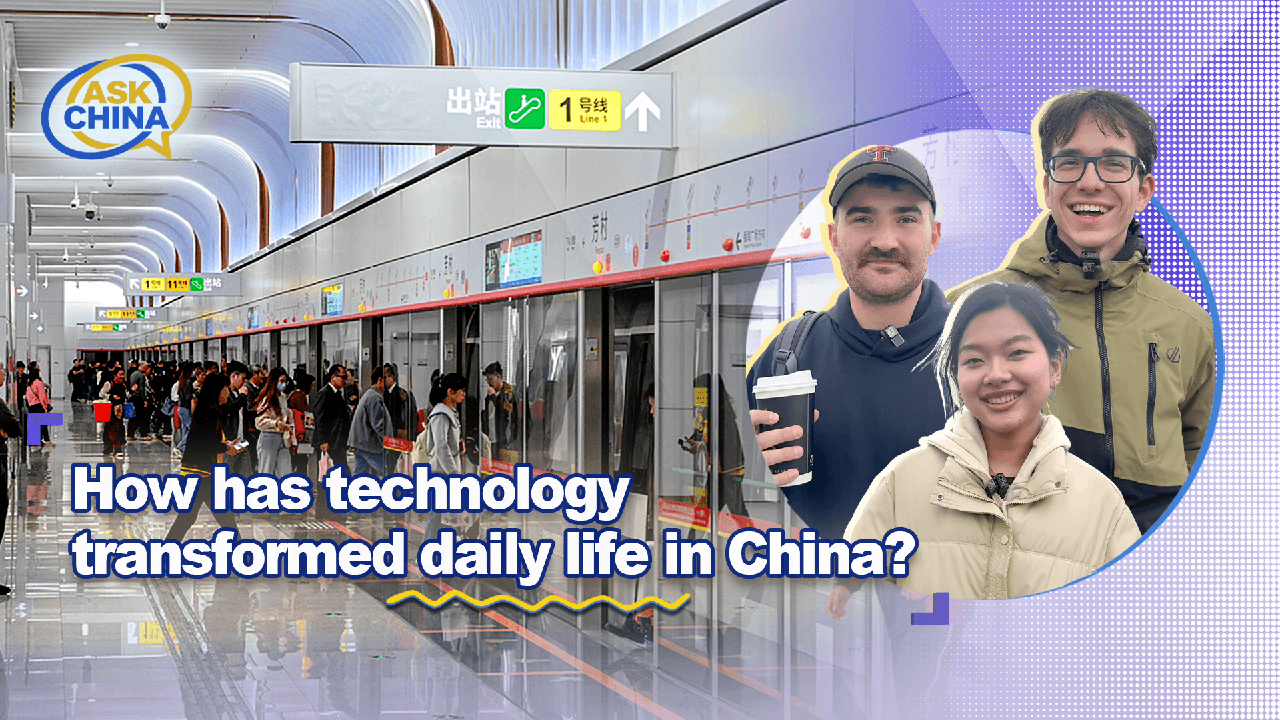
China's Digital Cage: The Hidden Cost of 'Convenience' in the World's Largest Tech Lab
Unpacking the true price of China's hyper-digitized daily life: convenience for the state, compliance for the citizen.
