The Silent Crisis: Why Ireland's 'Health Discussion' is a Smoke Screen for Systemic Collapse

The recent All-Ireland health discussion hides a brutal truth: The system isn't broken, it's designed this way. Analyze the hidden winners.
Key Takeaways
- •The ongoing 'discussion' masks the fact that system fragmentation benefits private interests and bureaucrats.
- •True integration is politically unpalatable as it threatens established power bases within the health sector.
- •Expect future policy to favor publicized, small-scale private partnerships disguised as efficiency measures.
- •The core issue is a lack of political will to radically restructure public provision, not a lack of ideas.
The Unspoken Truth: Why the Irish Health Debate is Pure Theatre
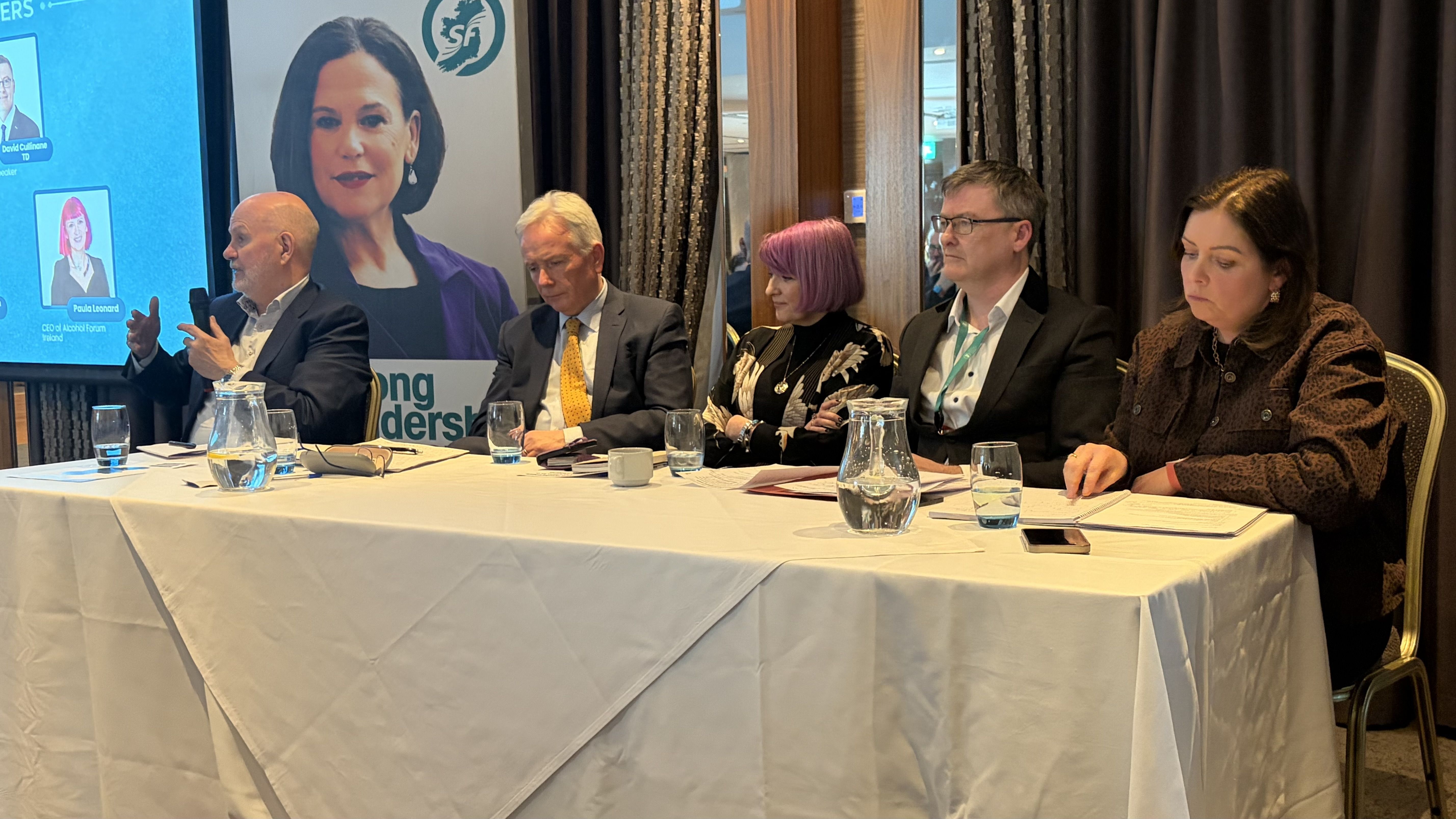
Every few months, the same tired spectacle unfolds: politicians convene for an All-Ireland health discussion, promising synergy and savings. But let's be brutally honest about Irish healthcare reform. This isn't about fixing a leaky faucet; it’s about rearranging deck chairs on the Titanic while the real architects of the crisis profit. The central, unspoken truth is that the current fragmentation—between the Republic and Northern Ireland systems—serves a specific, powerful constituency: the private health sector and bureaucratic inertia.
We focus relentlessly on wait times, the most visible symptom, but ignore the disease. Why is cross-border cooperation perpetually bogged down? Because true integration threatens the established fiefdoms—the consultants, the private insurance giants, and the administrative layers that benefit from complexity. This isn't incompetence; it’s healthcare economics functioning exactly as intended for those at the top of the pyramid.
Deep Dive: The Illusion of 'All-Island' Synergy
The push for an All-Ireland health framework is framed as a benevolent gesture towards patient equity. It sounds good on paper. But look closer at the history of health service integration attempts globally. They almost always result in the 'lowest common denominator' standard being adopted, or, worse, the privatization of efficiency gains. In the Irish context, the real prize isn't better patient outcomes; it's access to a unified, larger pool of public funding for private providers who staff the gaps. The key players want shared access to the budget, not shared governance.
The political capital spent on these discussions is vast, yet tangible results remain elusive. This perpetual state of 'discussion' keeps the public agitated enough to demand *some* action, while simultaneously providing cover for slow, incremental changes that favor private pathways. We need to examine the lobbying records, not just the press releases, to see who is truly winning this health debate.
Where Do We Go From Here? The Prediction
The next five years will not see genuine, unified, single-payer-style reform. That would require dismantling entrenched power structures, something neither Dublin nor Westminster is willing to risk. Instead, I predict a significant, highly publicized pilot scheme focused on one specific area—perhaps elective surgery in border counties—which will be hailed as a massive success. This success will be used as justification to funnel more private contracts (under the guise of 'efficiency partnerships') into the system, widening the two-tier reality further. The public discourse will shift from 'integration' to 'capacity management,' a subtle but crucial pivot that excuses the underlying structural failure of public provision.
True reform—radical restructuring prioritizing primary care and accessibility over high-tech hospital expansion—remains politically toxic. Until the electorate demands accountability for the *inaction* rather than just complaining about the *symptoms*, the theatre of the All-Ireland health discussion will continue, serving only those who benefit from complexity.
Frequently Asked Questions
What is the main obstacle to an All-Ireland health service agreement?
The primary obstacle is the resistance from established professional bodies and private sector stakeholders who benefit financially from the current fragmented, two-system approach, making true unification politically difficult.
Who truly benefits from the current state of Irish healthcare?
Those who benefit most are private health insurers, private hospital operators, and the extensive administrative layers that thrive on system complexity and the need for triage between public and private pathways.
What is the difference between 'fixing' and 'reforming' the health system?
Fixing implies treating symptoms like wait times; reforming implies radical structural change, such as shifting funding models or reducing administrative overhead, which is what politicians consistently avoid.
Are wait times in Northern Ireland significantly better than in the Republic?
While wait times can fluctuate, Northern Ireland often faces similar, if not worse, pressures due to funding constraints, though historical differences in service models do exist. Cross-border comparisons are often weaponized politically rather than used for genuine learning.
Related News
The Hidden Cost of Diabetes Tech: Why 'Affordable Access' Is a Trojan Horse for Pharma Profit
The unified call for affordable diabetes technology masks a deeper regulatory battle. Who truly benefits from this 'access' push?
The Accreditation Shell Game: Why the Huntsman Mental Health 'Win' is Actually a Red Flag for Future Healthcare Education
The University of Utah's new accreditation isn't just a win; it signals a dangerous corporatization of vital **mental health education** and **healthcare training**.

The Digital Ghost Town: Why New Zealand's Pae Ora Health IT Overhaul Is Failing the Front Lines
The massive Pae Ora health restructure promised digital transformation, yet frontline performance lags. We expose the hidden bureaucratic inertia crushing IT progress.
