The Silent Coup: Why Alberta's Health Privatization Push Isn't About Wait Times, It's About Power
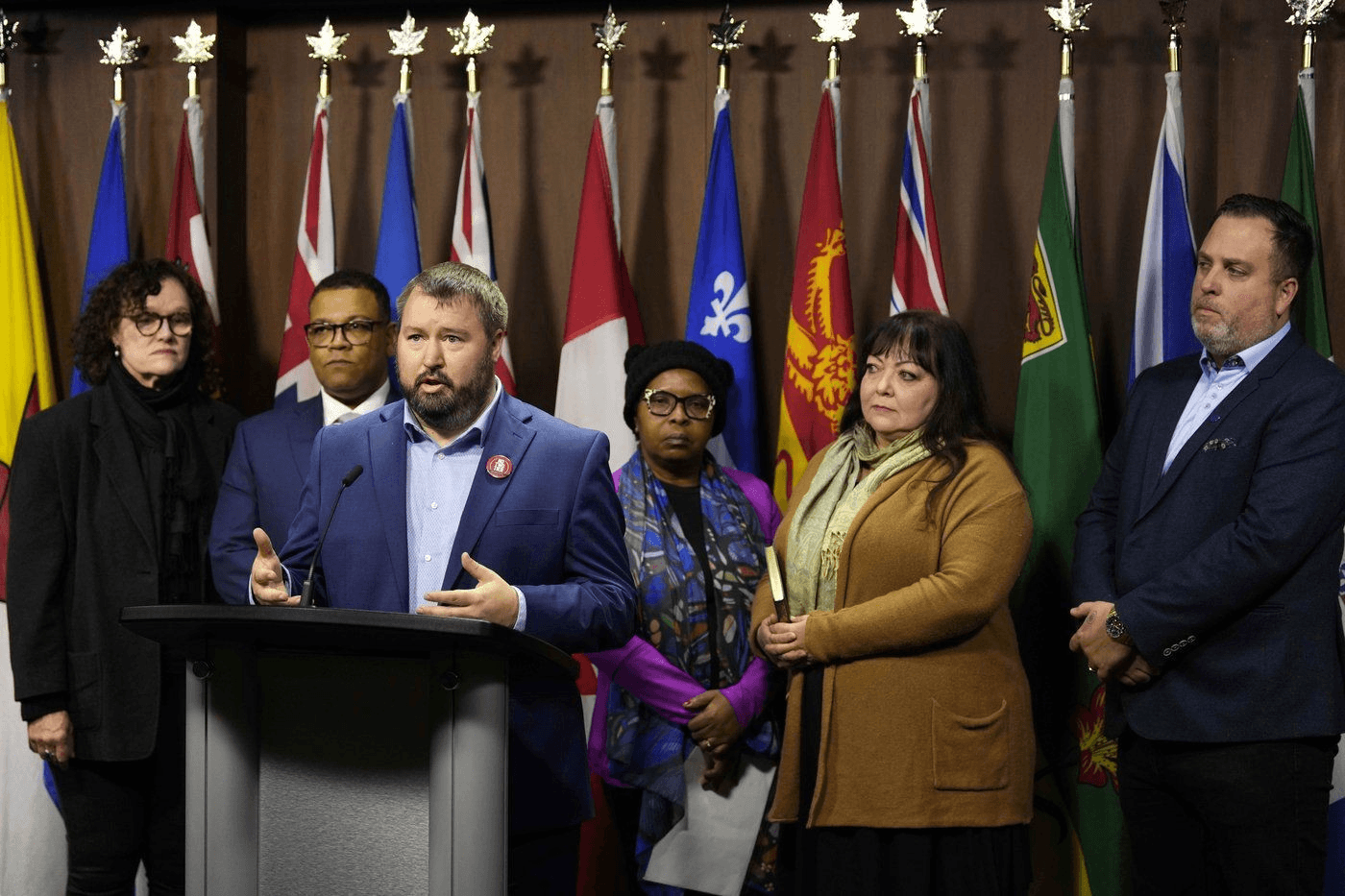
The Liberal call to action on Alberta's health privatization masks a deeper political game. Discover who truly profits from dismantling public care.
Key Takeaways
- •The privatization push is less about improving service speed and more about creating profitable, market-based healthcare delivery channels.
- •The federal Liberals are politically paralyzed, fearing jurisdiction battles more than the long-term systemic damage.
- •The hidden agenda involves 'cherry-picking' profitable surgeries, leaving the public system with the most expensive, complex cases.
- •This trend is predicted to become irreversible by 2026, cementing a permanent two-tier system in Canada.
The Hook: Is Public Health a Political Football or a Sacred Trust?
Health advocates are screaming for the federal Liberals to intervene in Alberta's accelerating move toward private healthcare delivery. But this isn't just a provincial squabble over wait times; it’s a textbook case of ideological capture disguised as efficiency. The real question isn't whether privatization is happening, but who is writing the cheque and what they expect in return. This debate over Alberta health privatization is the canary in the coal mine for Canadian healthcare.
The Meat: Beyond the Rhetoric of ER Wait Times
The UCP government frames its strategy—increasing the use of private surgical centres and contracted services—as a pragmatic solution to strained public infrastructure. They promise faster cataract surgeries and hip replacements. This narrative sells well in a crisis. However, the unspoken truth is that this strategy systematically starves the public system of resources—nurses, technicians, and specialized equipment—by creating a parallel, more lucrative market. We are witnessing a slow-motion dismantling, not a mere enhancement.
The federal Liberals, currently being pressured to make a stand, are trapped. Any direct intervention risks accusations of trampling provincial jurisdiction, yet inaction validates the erosion of the Canada Health Act (CHA). Their current lukewarm stance suggests they fear the political cost of a direct confrontation more than the long-term cost of systemic decay. This paralysis is the actual win for proponents of private models.
The Why It Matters: The Hidden Economics of Health
This isn't about minor tweaks; it’s about market creation. When private entities take over publicly funded services, they introduce profit motives into a system historically bound by public service ethics. The winners? Shareholders and specialized facility operators. The losers? Rural communities, complex care patients, and the frontline staff remaining in the public sector who face impossible workloads.
Consider the economics of Canadian healthcare reform. Private delivery models often create 'cherry-picking'—they take the profitable, routine procedures (like elective surgery) while leaving the complex, expensive, and politically volatile cases (like emergency trauma or geriatric long-term care) squarely on the public dime. This creates a two-tiered system where the wealthy access speed, and everyone else waits longer for less complex care, further destabilizing the public option. This strategy has been meticulously studied in systems like the UK's NHS outsourcing.
What Happens Next? The Prediction
Expect the federal government to avoid a direct Section 8 violation challenge under the CHA for at least another year. Instead, watch for increased federal funding tied to specific, non-controversial metrics (like mental health funding). Meanwhile, Alberta will quietly expand its contracted services, normalizing the private delivery of core services. By 2026, the political cost of reversing course—shutting down operational private clinics—will be too high. The result: a permanent, tacit acceptance of two-tier access, profoundly changing the landscape of public health policy across Canada.
The Liberals’ silence today is not neutrality; it is strategic capitulation to a powerful, well-funded ideological movement. The fight for universal access is being lost in the bureaucratic delay.
Gallery




Frequently Asked Questions
What is the main argument against Alberta's health privatization plans?
The primary concern is that privatization drains essential resources, like staff and funding, from the public system, leading to a de facto two-tier system where only those who can pay privately receive timely access to routine procedures.
What is the Canada Health Act (CHA) and why is it relevant?
The CHA is federal legislation ensuring all medically necessary hospital and physician services are publicly funded and accessible. It gives the federal government leverage over provincial health spending, making it the tool Liberals could use to challenge private delivery models.
Who stands to benefit most from increased private healthcare delivery in Alberta?
Shareholders in private surgical facilities, specialized medical corporations, and administrative bodies that profit from managing outsourced public contracts benefit the most, often at the expense of public infrastructure investment.
Why are health advocates pressuring the federal Liberals specifically?
Advocates pressure the Liberals because only the federal government has the legislative power via the Canada Health Act to impose financial penalties or block funding transfers if provinces violate the principles of universal access.
Related News

The Hidden Cost of the GOP Health Bill: Why Your Premiums Are About to Skyrocket
The new House GOP health bill isn't about lowering costs—it's a calculated transfer of risk. Unpacking the true agenda behind the latest healthcare maneuver.

The Silent Killer in the House Health Vote: Who Really Pays When Republicans 'Repeal and Replace'?
The House just passed the Republican health care plan. Beyond the political theater, this vote signals a massive shift in American health financing. Analyze the hidden costs.

DailyWorld Editorial
AI-Assisted, Human-Reviewed
Reviewed By
DailyWorld Editorial