The Ocean's Policy Pipeline: Why Academia's New 'Science Leaders' Might Just Be Lobbyists in Lab Coats
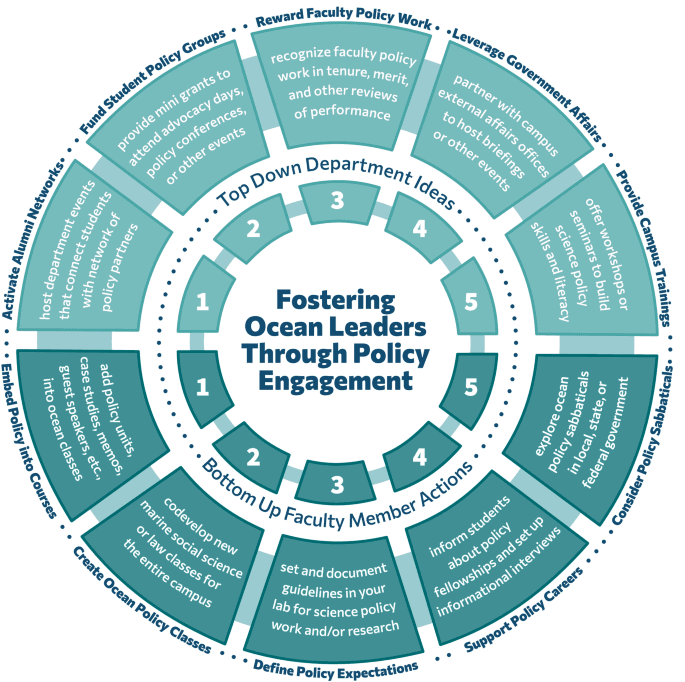
The push to train ocean science leaders at US universities hides a dangerous consolidation of power. Who is really funding this transition?
Key Takeaways
- •The focus on academic science-policy training risks creating industry-friendly lobbyists rather than disruptive environmental leaders.
- •Vested interests often control the definition of 'successful' science integration, leading to managed decline rather than radical change.
- •Urgent ocean issues require systemic disruption, which the academic-bureaucratic pipeline is designed to suppress.
- •The most talented graduates will likely abandon institutional tracks for more impactful (or lucrative) independent roles.
The Ocean's Policy Pipeline: Why Academia's New 'Science Leaders' Might Just Be Lobbyists in Lab Coats
We are drowning in data about the ocean crisis—rising temperatures, collapsing fisheries, microplastic saturation. Yet, the critical gap remains not in data collection, but in **policy translation**. A recent push, highlighted by analyses in *Nature*, focuses on bolstering **science-policy support** within U.S. academic institutions to foster the next generation of ocean leaders. Sounds noble, right? Think again. This isn't just about producing better reports; it's about weaponizing expertise. The unspoken truth here is the capture of the narrative. When universities become the primary incubators for 'science leaders' specifically trained to bridge the gap to government, the line between objective research and regulatory capture blurs dangerously. Who defines what 'successful' science-policy integration looks like? Usually, it’s the institutions with the deepest pockets and the most vested interests in the status quo—think massive offshore energy firms or established maritime industries. ### The Illusion of Independence Academic programs, perpetually starved for funding, are now incentivized to produce graduates who speak the language of policy—a language that often favors incremental change over radical restructuring. These emerging **ocean leaders** are being molded not as disruptors, but as necessary cogs in the existing bureaucratic machine. The goal isn't necessarily to save the oceans; it's to make the existing industrial framework **environmentally palatable**. Consider the economics. Universities benefit from large grants associated with these new interdisciplinary centers. Students get job placement security. But the public gets managed decline, disguised by glossy, peer-reviewed solutions. We are trading genuine, disruptive environmental advocacy for professionalized, manageable consultation. This subtle shift in power dynamics away from grassroots activism and toward credentialed, institutional gatekeepers is the real story behind this supposed breakthrough in **marine science education**.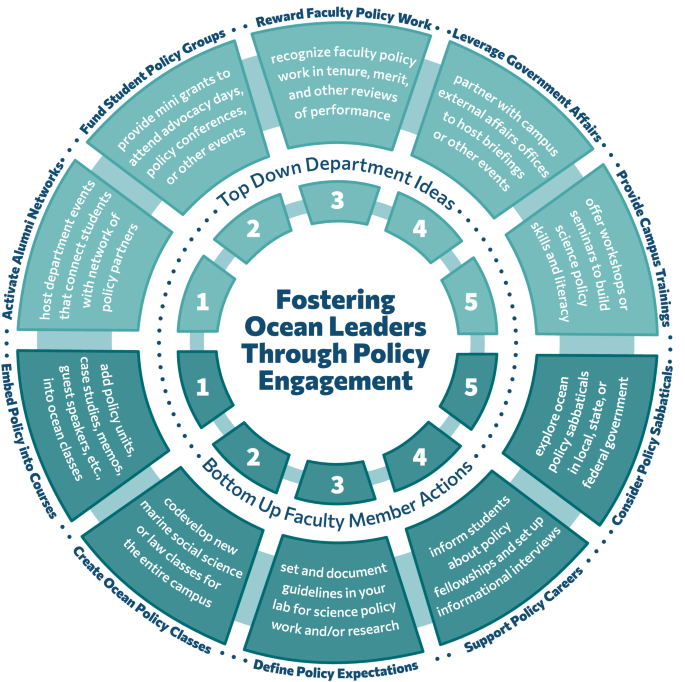 ### Deep Analysis: The Bureaucratic Bottleneck
Why does this matter? Because the ocean crisis demands immediate, sweeping regulatory action—something that traditional policy pathways are inherently bad at delivering. The current model rewards consensus and slow-moving negotiation. By embedding these science-policy liaisons directly within the academic feedback loop, we are effectively slowing down the urgent need for change. True innovation in **climate science** often comes from outside the established system, from voices that haven't been groomed by the same grant structures that fund the current administration's favored research. The real losers here are the ecosystems that don't have tenure committees or lobbying budgets.
### What Happens Next? The Prediction
My prediction is that within five years, we will see a significant backlash. These highly trained 'science-policy' graduates, finding themselves frustrated by the glacial pace of institutional change and the ethical compromises required to maintain funding, will either burn out or defect. The most talented individuals will leave the established policy track and form independent, activist-driven think tanks—or worse, become highly effective, highly paid industry consultants, confirming the suspicion that this entire academic push was just a sophisticated talent pipeline for regulatory capture. The US government needs radical solutions, not just better translators of existing problems.
This initiative, while well-intentioned on the surface, risks creating a generation of highly educated bureaucrats whose primary skill is managing expectations downward, rather than achieving breakthrough environmental governance. The fight for the oceans is not won in a lecture hall; it's won through systemic disruption, something these new leaders are explicitly being trained *not* to do.
### Deep Analysis: The Bureaucratic Bottleneck
Why does this matter? Because the ocean crisis demands immediate, sweeping regulatory action—something that traditional policy pathways are inherently bad at delivering. The current model rewards consensus and slow-moving negotiation. By embedding these science-policy liaisons directly within the academic feedback loop, we are effectively slowing down the urgent need for change. True innovation in **climate science** often comes from outside the established system, from voices that haven't been groomed by the same grant structures that fund the current administration's favored research. The real losers here are the ecosystems that don't have tenure committees or lobbying budgets.
### What Happens Next? The Prediction
My prediction is that within five years, we will see a significant backlash. These highly trained 'science-policy' graduates, finding themselves frustrated by the glacial pace of institutional change and the ethical compromises required to maintain funding, will either burn out or defect. The most talented individuals will leave the established policy track and form independent, activist-driven think tanks—or worse, become highly effective, highly paid industry consultants, confirming the suspicion that this entire academic push was just a sophisticated talent pipeline for regulatory capture. The US government needs radical solutions, not just better translators of existing problems.
This initiative, while well-intentioned on the surface, risks creating a generation of highly educated bureaucrats whose primary skill is managing expectations downward, rather than achieving breakthrough environmental governance. The fight for the oceans is not won in a lecture hall; it's won through systemic disruption, something these new leaders are explicitly being trained *not* to do.Frequently Asked Questions
What is the primary criticism of increasing science-policy support in US universities?
The main criticism is that it risks creating regulatory capture, where academic expertise becomes too closely aligned with established interests, prioritizing incremental policy shifts over necessary radical environmental action.
What high-volume keywords are relevant to this topic?
Key high-volume keywords include 'science policy support', 'ocean leaders', and 'marine science education'.
How does this academic training affect environmental advocacy?
It shifts the focus from grassroots advocacy and systemic disruption toward professionalized consultation and bureaucratic negotiation, potentially slowing down urgent responses to crises.
What is the prediction for the future of these trained science-policy graduates?
The prediction is that many will become disillusioned with the slow pace of institutional change, leading them to either defect from policy roles or become highly effective industry consultants.
Related News

Hawking's Final Theory Isn't About Black Holes—It's About Who Controls Scientific Legacy
The true battle over Stephen Hawking's final theory isn't physics; it's about legacy curation and the multi-million dollar industry of posthumous genius.

The Hidden Cost of Compassion: Why Local Charity Support for Stem Cell Science is a Trojan Horse
Local support for stem cell research hides a massive ethical and economic battleground. Who truly profits from this 'good cause'?

The Real Reason Scientists Are Backpedaling on Intermittent Fasting: It's Not About Your Health
Intermittent fasting studies are facing a scientific reckoning. Discover the hidden conflict behind the sudden shift in the intermittent fasting debate.
