The NHS's 'Quick Win' Lie: Why Chasing A&E Targets is a Death Sentence for Real Healthcare Reform
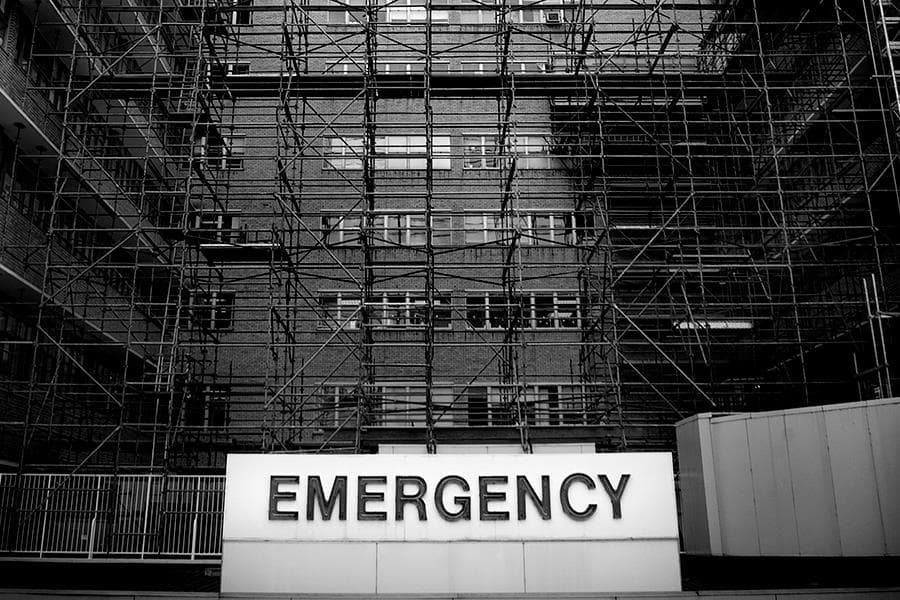
The obsession with hitting short-term A&E targets is masking a systemic failure in UK healthcare. Discover the hidden agenda behind this desperate scramble.
Key Takeaways
- •The focus on 'quick wins' is political performance art, distracting from deep structural failures.
- •Target chasing often leads to detrimental 'gaming' of the system, harming complex patient care.
- •True solutions require massive investment in social care and upstream capacity, not just A&E metrics.
- •Expect further obfuscation of data (shadow targets) as immediate goals become unattainable.
The Illusion of Progress: A&E Targets as Political Theatre
The latest directive filtering down to National Health Service (NHS) trusts—that desperate scramble to chase 'quick wins' to meet beleaguered Accident and Emergency (A&E) targets—is not a strategy; it’s a surrender. Investigative journalism demands we look past the press releases. This isn't about patient care; it’s about optics. When senior leadership screams about hitting the four-hour wait time, they aren't prioritizing the sickest patients; they are prioritizing the next parliamentary recess.
The unspoken truth here is that UK healthcare reform has been hijacked by metrics that are easily manipulated but fundamentally meaningless in the context of systemic collapse. These 'quick wins'—often meaning aggressive discharging of complex patients, bottlenecks shifted upstream to community care, or simply moving ambulances around the car park—are statistical sleight of hand. They buy political breathing room, but they actively punish the hospitals that need genuine structural change the most. We are talking about short-term tactical maneuvers in a long-term strategic war we are demonstrably losing.
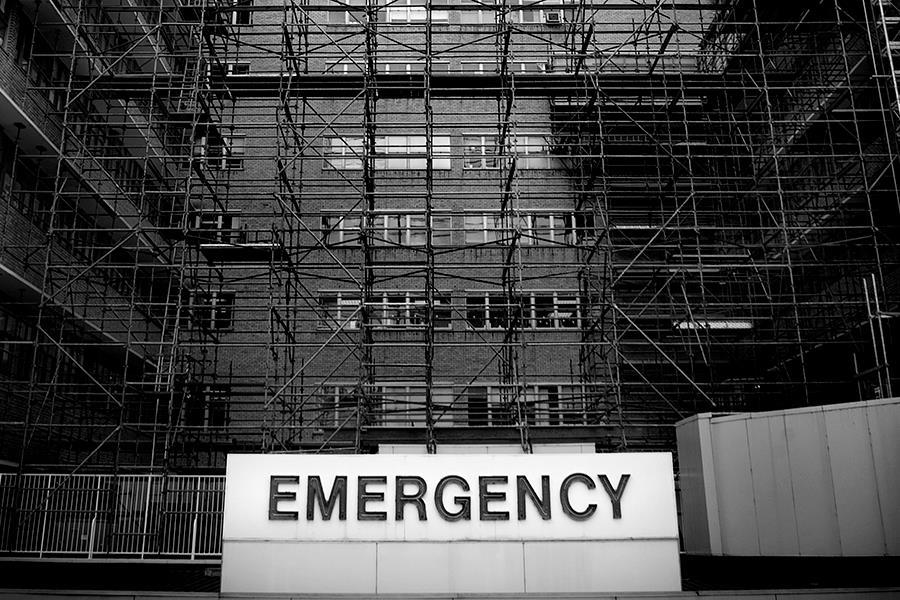
The Deep Dive: Who Really Wins When Targets Are Met?
In the grand scheme of modern public administration, performance indicators often serve the manager, not the managed. The winners in this target fetishism are the executives whose performance bonuses are tied to hitting arbitrary benchmarks, and the politicians who can claim 'mission accomplished' on the evening news. The losers? The patients facing delayed diagnostics, the primary care sector buckling under premature discharges, and the exhausted frontline staff.
The core issue underpinning this crisis isn't just staffing; it’s capacity and flow. You cannot fix a clogged artery by polishing the dashboard. The pursuit of A&E performance is cannibalizing resources needed for upstream capacity planning. Why invest heavily in social care integration or preventative medicine—the real NHS crisis solutions—when you can achieve a 2% reported improvement by pressuring discharge teams? It’s the classic principal-agent problem played out on the most vulnerable stage imaginable. This focus prevents the necessary, painful, multi-year investment required for true resilience.

Where Do We Go From Here? The Inevitable Prediction
Expect the current situation to metastasize. The 'quick wins' will dry up by late autumn as seasonal pressures hit. When the targets are inevitably missed again, the response will not be introspection but a doubling down on punitive measures against individual trusts, further demoralizing staff. My prediction is that within 18 months, we will see the formal reclassification of certain waiting times or the introduction of 'shadow targets'—metrics that are reported internally but shielded from public scrutiny. This allows the political class to claim success while the reality remains dire. The only sustainable solution involves a radical, multi-billion-pound cash injection specifically ring-fenced for community and social care capacity, something successive governments have proven unwilling to commit to.
The obsession with the A&E door is the symptom, not the disease. Until we treat the entire circulatory system of UK healthcare, these desperate scrambles for quick wins will continue to define our national health tragedy.
Gallery




Frequently Asked Questions
What is the current NHS A&E waiting time target in the UK?
The traditional long-standing target in England is for 95% of patients attending A&E departments to be admitted, transferred, or discharged within four hours. However, this target has been consistently missed across the UK for years, leading to the current focus on interim 'quick wins'.
Why are 'quick wins' considered bad practice in hospital management?
Quick wins often involve manipulating patient flow statistics rather than addressing root causes. This can mean unnecessarily discharging complex patients too early or creating artificial bottlenecks elsewhere, which ultimately leads to worse outcomes and higher readmission rates.
What is the primary cause of long A&E waits beyond staffing shortages?
A major contributing factor is a lack of downstream capacity, particularly in social care and community services. When hospitals cannot safely discharge patients who no longer need acute care, beds remain blocked, creating a gridlock that backs up into the Emergency Department.
Related News

The Hidden Cost of Local Healthcare Consolidation: Why Niagara Health’s ‘Progress’ is a Trojan Horse
Investigating Niagara Health's restructuring reveals a dangerous trend in regional healthcare consolidation that taxpayers aren't seeing.

Libya’s ‘Clean Bill of Health’: The Forgotten Disease Victory That Hides a Deeper Crisis
The WHO validated Libya's elimination of trachoma, but this public health win masks ongoing institutional fragility and the real cost of 'neglected tropical diseases.'

The Hidden Cost of University 'Wellness': Why USU's Mental Health Push Isn't About You
The expansion of USU's Sorenson Center mental health services reveals a deeper crisis in Northern Utah's **public health infrastructure**.
