The Mullet Uprising: Why Teen Haircuts Are the Real Barometer of Youth Mental Health Crises
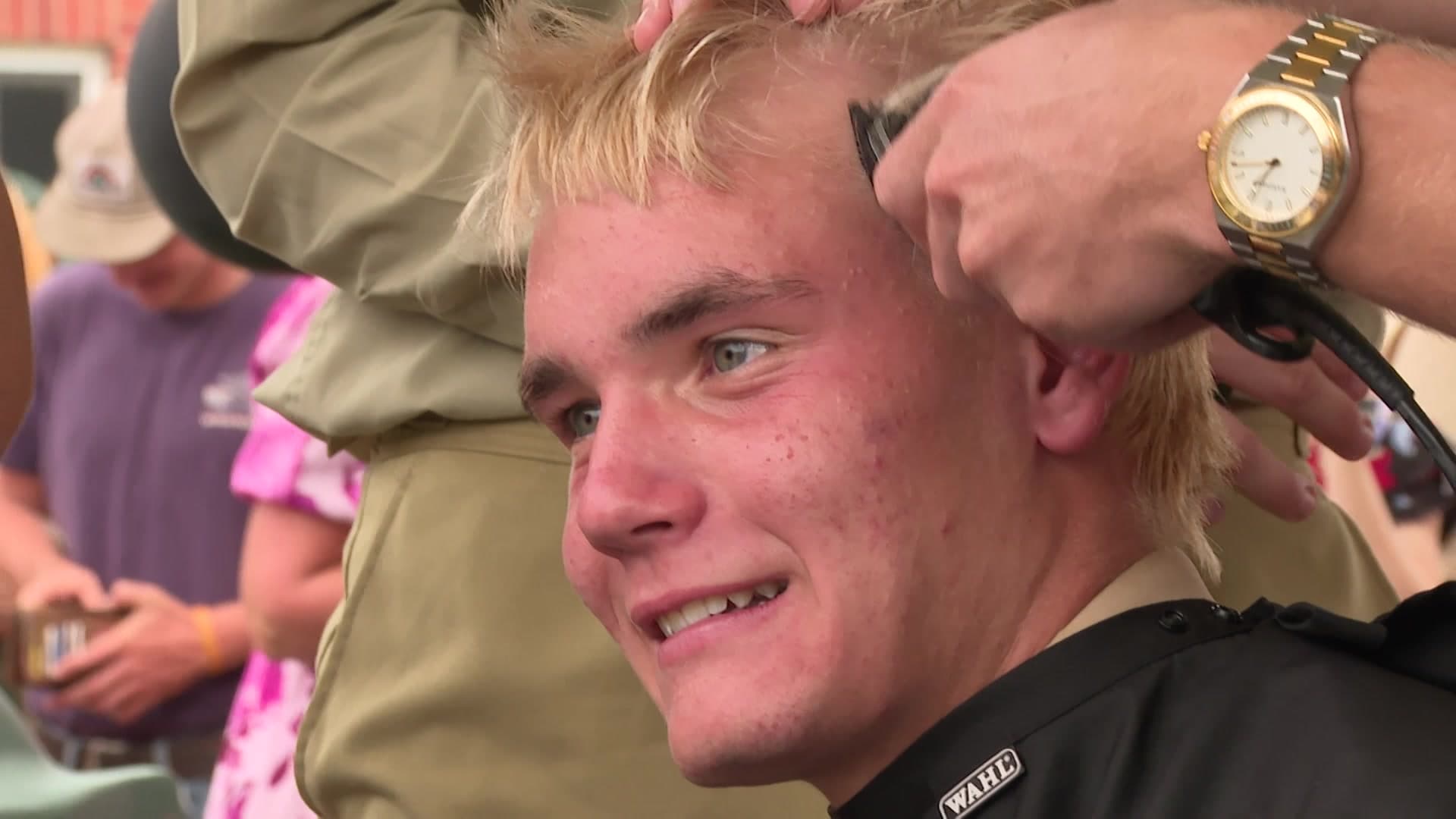
Behind the Farrer school's mullet chop for charity lies a darker truth about modern youth mental health and performative activism.
Key Takeaways
- •The Farrer mullet chop is a visible, performative response to deeper, systemic youth mental health issues.
- •The spectacle of sacrifice risks replacing genuine, long-term support infrastructure with short-term viral visibility.
- •The mullet serves as a modern proxy for adolescent alienation, making its removal a symbolic, yet shallow, act of solidarity.
- •Prediction: The momentum will fade quickly without sustained investment in ongoing mental health services.
The Scissors Fall: More Than Just Haircut Hype
When students at Farrer Memorial Agricultural High School traded their beloved mullets for charity, the headlines screamed 'feel-good story.' But beneath the veneer of community spirit and fundraising for youth mental health initiatives, a far more complex narrative is unfolding. This isn't just about a bad haircut trend; it’s a stark visual manifestation of a generation struggling to articulate its pain. The mullet, once a symbol of audacious rebellion or suburban dad chic, has become the latest, most visible proxy for a crisis that runs deep within Australian adolescence.
The immediate winner here is obvious: the chosen mental health charity, which gains instant, viral visibility. The students gain social capital, transforming from anonymous teens into local heroes. But who truly loses? We lose the genuine, quiet conversation about teen mental health because it’s been hijacked by a spectacle. The act itself is performative allyship, a quick, easily digestible solution to an intractable, systemic problem. It’s easier to cut hair than to dismantle the pressures of social media, academic anxiety, and the crushing weight of future uncertainty that truly fuels these struggles.
The Unspoken Truth: Visibility as Currency
The real story isn't the $10,000 raised; it’s the desperate need for visibility. In the attention economy, silence equals irrelevance. When young men, often socialized to suppress emotional vulnerability, are encouraged to make a massive, visible sacrifice—sacrificing their identity statement (the mullet)—it’s a desperate plea for acknowledgement. This spectacle effectively allows the community to tick a box: 'We addressed mental health this week.' The underlying issues—the lack of accessible, long-term counseling, the stigma that still clings to seeking help, and the pressures of modern masculinity—remain untouched. This is the dark side of viral charity: it often substitutes surface-level action for deep, structural change. We must be wary of confusing a haircut with actual healing.
This event echoes historical shifts where youth culture used extreme aesthetics—punk in the 70s, grunge in the 90s—to signal alienation. Today, the alienation is digitized, but the need for a physical, communal act remains. The fact that the mullet was chosen speaks volumes about its cultural resonance in regional Australia. It's a statement of identity, and sacrificing it is a powerful, albeit temporary, declaration of solidarity. For more on the cultural history of youth movements, see Wikipedia’s entry on subcultures.
What Happens Next? The Prediction
The immediate aftermath will see a spike in donations and positive media coverage. However, I predict that within six months, the conversation around youth mental health in that region will deflate. The energy generated by the haircut will dissipate, leaving the underlying infrastructure needing support unchanged. The next trend will be a different aesthetic sacrifice, or perhaps a different, equally symbolic, fundraising event. The long-term failure point will be the lack of follow-through funding dedicated to consistent, school-based psychological services, rather than one-off awareness drives. We will see a return to the status quo until the next viral moment forces the issue back into the spotlight.
The true measure of success won't be the hair left on the floor, but whether the conversation shifts from 'look what we did' to 'what must we sustain.'
Frequently Asked Questions
What is the primary criticism of charity events like the Farrer mullet chop?
The primary criticism is that such highly visible, symbolic actions can create an illusion of progress, allowing institutions and communities to avoid the harder, less viral work of establishing sustained, accessible mental health resources.
Why was the mullet chosen as the symbol for this mental health fundraiser?
The mullet, particularly in regional and agricultural communities, often represents a distinct personal identity or cultural marker. Sacrificing something visually significant and personally valued makes the gesture more impactful and noticeable in a crowded media landscape.
How does this event relate to broader trends in youth mental health?
It highlights the increasing pressure on young people to use public, visible means to signal distress or solidarity, often due to a lack of safe, private avenues for expressing vulnerability.

