The MTA's 'Shark Teeth' Are Not About Fare Evasion—They're About Data Collection
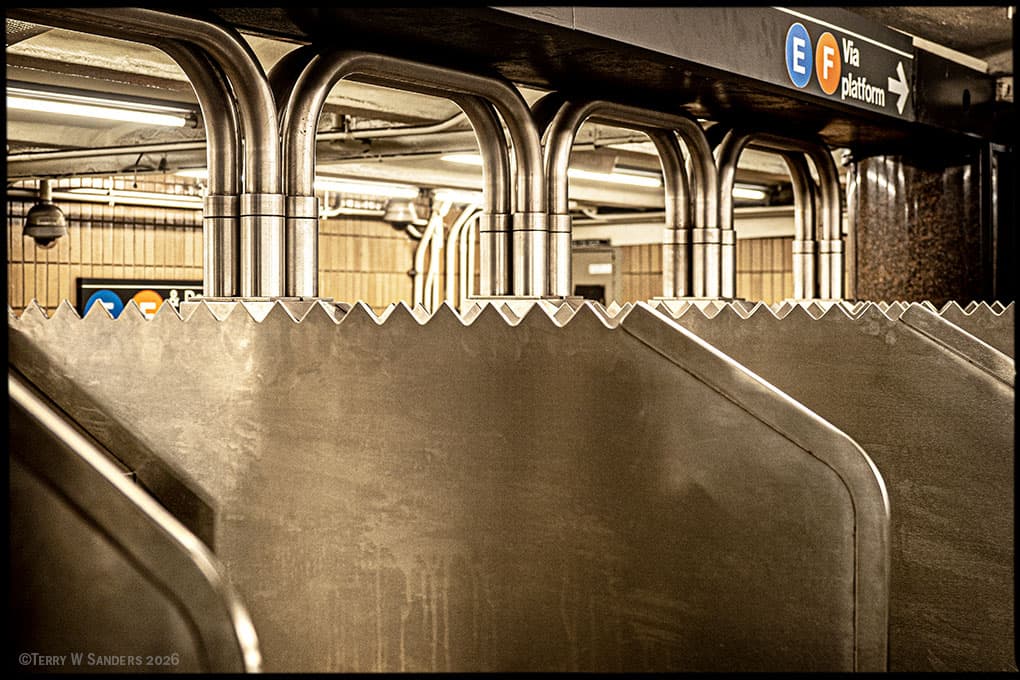
The NYC subway's new 'shark teeth' turnstile dividers aren't just for stopping fare jumpers; they signal a deeper shift in transit security and surveillance.
Key Takeaways
- •The 'shark teeth' are a low-tech physical solution masking a high-tech data collection agenda.
- •The primary beneficiaries are security contractors and data analysts, not necessarily the average rider.
- •This infrastructure enforces compliance and standardizes passenger flow for enhanced surveillance.
- •Expect rapid integration of facial recognition as the next logical step following physical standardization.
The Hook: Are You Being Herded?
The New York City subway is installing aggressive new physical barriers—dubbed 'shark teeth' dividers—at turnstiles across the system. The official line, trotted out by the Metropolitan Transportation Authority (MTA), is simple: **fare evasion** is costing billions, and these sharp, unforgiving metal spikes are the necessary, high-tech solution to stop jumpers. But this narrative is thin. In the grand theater of urban infrastructure, an over-engineered physical solution almost always masks a deeper, more systemic goal. The real story here isn't about a few lost dollars; it’s about control, data granularity, and the creeping normalization of surveillance in public transit.The 'Meat': A Low-Tech Solution to a High-Tech Problem
The 'shark teeth' themselves are embarrassingly low-tech—essentially fixed, pointed metal plates designed to make jumping impossible without injury. This brute-force approach is telling. If the MTA’s true focus was efficiency and maximizing throughput while minimizing crime, why not accelerate the rollout of OMNY readers, which offer superior data tracking? The answer lies in the nature of the problem they *don't* want to advertise: **NYC subway security** is increasingly reliant on metrics, not just manpower. These physical impediments force every single rider—the fare-payer and the jumper alike—into a single, predictable path. This standardization creates a perfect funnel for cameras and sensors, generating cleaner data points on passenger flow.The Unspoken Truth: Who Really Wins?
Who benefits from this hardware overhaul? Not the average straphanger, who now faces a more hostile, less forgiving entry experience. The winners are two-fold: first, the security contractors who win lucrative, multi-million dollar installation bids, often insulated from public scrutiny by emergency procurement clauses. Second, the data analysts. By making the physical act of entry rigid, the MTA simplifies the complex variables of rider behavior. Every person must now physically touch, or attempt to navigate, this defined choke point. This allows for better calibration of AI-powered surveillance systems designed to identify anomalies in movement patterns. We are trading fluid access for highly structured behavioral data. This is a classic example of **transit technology** being deployed for observation, not just service improvement.Why It Matters: The Architecture of Compliance
This isn't just about the subway; it’s about the template for future urban management. When public space is increasingly viewed through the lens of risk management and revenue recovery, infrastructure follows suit. These barriers are a physical manifestation of the 'broken windows' theory applied to finance. They signal an absolute intolerance for minor infractions, setting a precedent for zero-tolerance policies that often disproportionately impact vulnerable populations. The MTA is spending capital not just to stop theft, but to enforce a visible, punitive standard of compliance. It’s a cultural shift disguised as a maintenance upgrade.What Happens Next? The Prediction
Expect the 'shark teeth' to be followed swiftly by mandatory, system-wide facial recognition integration tied directly to OMNY gate analysis. Once the physical flow is standardized, the next logical step is biometric identification at every point of entry. The MTA will argue this is necessary to track repeat offenders identified by the physical barriers. Within three years, expect pilot programs in high-traffic stations where failure to register a valid OMNY tap at the point of entry—even if you successfully squeezed past the teeth—results in an automated notification sent to a centralized enforcement hub. The age of anonymous passage in the NYC subway is ending; the age of mandatory digital accountability is beginning.
Frequently Asked Questions
What is the official purpose of the MTA's 'shark teeth' dividers?
The official purpose stated by the MTA is to physically prevent individuals from jumping or climbing over the turnstiles, thereby combating fare evasion.
Are these new barriers related to the OMNY contactless payment system?
While both are part of the MTA's modernization efforts, the physical barriers force all entry into a controlled path, which can help calibrate and optimize the data collection capabilities of new OMNY readers and associated security cameras.
What is the history of physical barriers in NYC subway turnstiles?
The MTA has historically used various physical deterrents, including older metal cages and rotating arms. These new 'shark teeth' represent a more aggressive, fixed, and potentially injury-inducing evolution of that concept, moving away from spinning mechanisms.
How much does fare evasion cost the MTA annually?
While figures fluctuate, the MTA has frequently cited losses in the hundreds of millions of dollars annually due to fare evasion, leading to calls for stricter enforcement measures.
Related News

Edmonton's Transit Safety Tech: The Billion-Dollar Distraction Hiding a Deeper Crisis
New transit safety technology in Edmonton is being hailed as a fix, but it ignores the core issue: systemic failure.
The Surveillance State on the Subway: Why Edmonton's New Transit Tech Is a Trap, Not a Shield
Edmonton's new transit safety tech promises security, but it masks a deeper surveillance creep. Is this smart policing or social control?

DailyWorld Editorial
AI-Assisted, Human-Reviewed
Reviewed By
DailyWorld Editorial