The Inquiry into Youth Mental Health is a Political Smoke Screen: Here’s Who Really Wins

The new Parliamentary inquiry into youth mental health is more than just concern; it’s a strategic distraction from systemic healthcare failures.
Key Takeaways
- •The parliamentary inquiry risks becoming a political distraction to avoid costly systemic healthcare reform.
- •Expect the final report to scapegoat digital platforms rather than address chronic underfunding.
- •The real winner is the political class, gaining positive optics without immediate, tangible financial commitment.
- •The prediction is 'managed inaction,' leading to continued worsening of waiting lists.
The news cycle is buzzing: MPs launch inquiry into young people's mental health. On the surface, it’s a laudable effort—a spotlight finally shining on the escalating crisis among Gen Z and Alpha. But stop reading the press releases. This isn't about compassion; it’s about political optics and shifting blame. This deep dive analyzes the hidden agenda behind this sudden parliamentary fervor concerning children's well-being.
The Unspoken Truth: Blame Externalities, Ignore Infrastructure
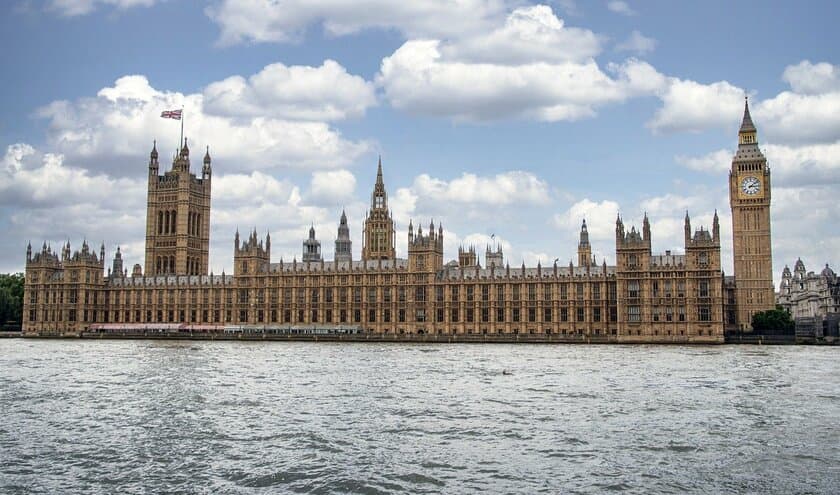
When Westminster launches an inquiry into adolescent distress—rising anxiety, depression, and self-harm—the immediate temptation is to point fingers at social media, academic pressure, or parental guidance. This inquiry, while necessary for data collection, is perfectly positioned to conclude that the problem lies in the *culture*, not the *system*. Why? Because reforming the National Health Service (NHS) infrastructure, funding long-term preventative care, or radically restructuring school support is expensive, politically difficult, and requires genuine commitment.
The real winner here is the political establishment that gets to appear responsive without committing to the billions required for genuine systemic overhaul. It’s cheaper to study the problem than to solve it. The youth mental health crisis is a symptom of societal decay—over-testing, hyper-competition, and underfunded public services—and this inquiry is designed to keep the discussion focused on the symptoms, not the structural disease.
Deep Analysis: The Data Trap and the Digital Scapegoat
We must analyze the timing. Why now? Because the statistics are becoming impossible to ignore, threatening future workforce productivity. The inquiry will inevitably produce mountains of excellent data, which will then be used to justify minor, highly visible policy changes—perhaps new digital literacy programs or small grants for charities. This creates a data trap: the problem is acknowledged, the data is collected, and yet the core issue—the utter collapse of timely access to clinical services—remains untouched.
Furthermore, expect the focus to heavily lean on the digital scapegoat. Social media platforms are easy targets. They are foreign entities, easily demonized, and regulating them offers high political reward for low systemic cost. This distracts from the core issue: why are young people so emotionally fragile that a TikTok scroll can trigger a crisis that should have been managed by accessible school counselors or GPs? The failure lies in the healthcare management, not just the algorithm.
What Happens Next? The Prediction of Managed Inaction
My prediction is that this inquiry will conclude with a comprehensive, yet utterly toothless, report recommending increased early intervention funding and better digital education. The government will laud the findings, perhaps announcing a 'Task Force on Future Well-being.' However, because the inquiry does not mandate an immediate, massive injection of capital into Child and Adolescent Mental Health Services (CAMHS) or foundational social services, the waiting lists will grow longer.
The status quo wins. The inquiry serves as a temporary pressure release valve for public anger, allowing politicians to claim action while the slow-motion collapse of youth resilience continues unabated. The true challenge—rebuilding community, reducing economic precarity for parents, and ensuring timely psychiatric care—will be deferred until the next crisis demands another round of performative investigation. For more on the scale of the crisis, see reports from the World Health Organization regarding adolescent health trends [WHO official site].
This is not a failure of concern; it is a success of deflection. The real fight is not in the committee rooms, but in demanding tangible, funded transformation of our public infrastructure [Reuters analysis on public spending].
Gallery

Frequently Asked Questions
What is the primary goal of the MPs' inquiry into youth mental health?
Officially, the goal is to investigate the causes and scope of the rising mental health challenges among young people. Analytically, it serves to demonstrate political responsiveness to a growing public concern without immediately committing to expensive structural changes.
Why is this inquiry considered by some to be a 'political smoke screen'?
Critics argue that focusing on an inquiry allows politicians to appear proactive while avoiding the difficult, expensive, and long-term work of fully funding and reforming overwhelmed services like CAMHS (Child and Adolescent Mental Health Services).
What are the key systemic issues often ignored during these inquiries?
Systemic issues often sidelined include chronic underfunding of primary care, high academic pressure, economic instability affecting families, and the long-term impact of austerity on social support networks.
What is the predicted outcome of this investigation?
The likely outcome is a comprehensive report that recommends increased, but insufficient, funding for early intervention programs and greater digital regulation, ultimately failing to solve the core crisis of access to clinical care.

DailyWorld Editorial
AI-Assisted, Human-Reviewed
Reviewed By
DailyWorld Editorial