The Ice Age in the Lab: Why Leica’s New Cooling System Signals a Quiet War in Pathology Tech
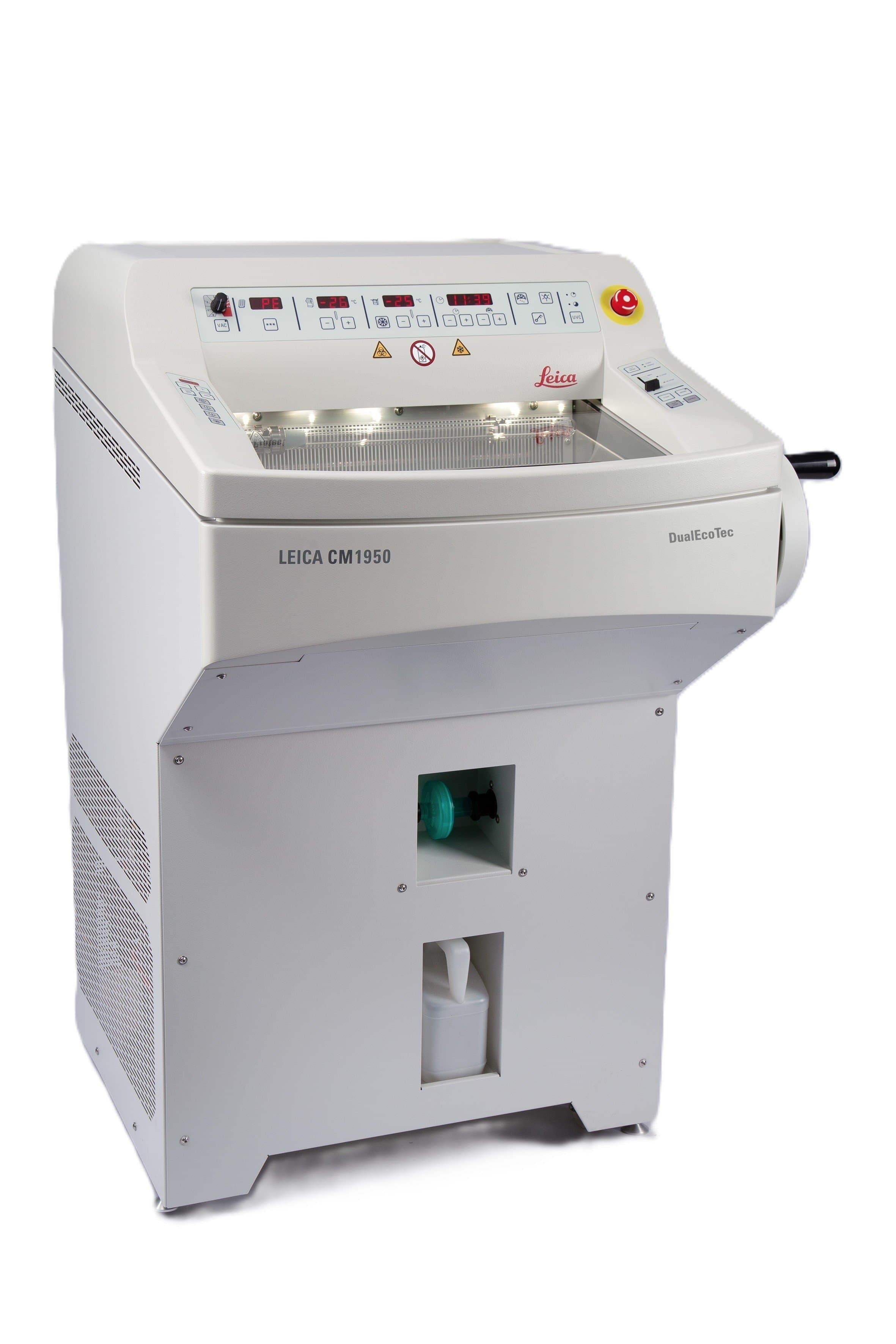
Leica Biosystems just launched a new cooling system, but the real story is the escalating battle for lab efficiency and **histology workflow** dominance.
Key Takeaways
- •The new cooling system is a strategic move by Leica to enforce vendor lock-in by solving a critical bottleneck in sample preparation consistency.
- •The real competition in medical diagnostics is shifting from imaging digitization to the physical mechanics of tissue processing.
- •Thermal stability will rapidly become the primary competitive metric for high-end cryostat manufacturers.
- •Expect rapid development toward fully autonomous, AI-monitored sample preparation environments in the next two years.
The Ice Age in the Lab: Why Leica’s New Cooling System Signals a Quiet War in Pathology Tech
Forget fusion reactors and self-driving cars. The true battleground for technological supremacy right now is the pathology lab. When **Leica Biosystems** drops a new piece of hardware—in this case, an advanced cooling system integrated into their cryostats—the mainstream media calls it an incremental upgrade. They are profoundly wrong. This isn't about keeping tissue samples cold; it’s about **laboratory automation** and the ruthless pursuit of speed in diagnostic medicine.
The announcement centers on enhancing the **histology workflow**, specifically around tissue processing. But look closer. Why the sudden focus on thermal regulation now? Because the bottleneck in modern cancer diagnosis isn't the microscope; it’s the preparation time. Every second shaved off tissue sectioning translates directly into faster patient reports, reduced overhead, and, critically, market share capture. This cooling system is a Trojan horse—a seemingly minor feature designed to lock labs into the Leica ecosystem.
The Unspoken Truth: Who Really Wins?
The immediate winner is obvious: Leica. By integrating superior thermal control, they are subtly weaponizing consistency. In high-throughput labs dealing with hundreds of slides daily, variability is the enemy. A poorly cooled block leads to chatter marks, compromised morphology, and the need to re-cut—wasting precious reagents and technician time. Leica is selling **predictability**, a premium commodity in the high-stakes world of clinical diagnostics.
But who loses? The smaller, legacy equipment manufacturers who rely on older thermal management designs are now facing an obsolescence threat. More importantly, the narrative around **pathology workflow** optimization is shifting. The focus is moving away from simply digitizing slides (a mature technology) toward optimizing the physical handling of the sample itself. Companies failing to match this thermal precision will find their equipment sidelined as too 'risky' for high-volume environments.
Deep Analysis: The Economics of Cold Storage
This move is a direct response to the massive influx of biopsies driven by improved screening protocols and personalized medicine. As cancer diagnostics become more complex—requiring more specialized staining and multiple sequential cuts—the time window for sample integrity narrows. The economics here are simple: if a Leica system can process 10% more viable slides per hour than a competitor’s machine, that translates to millions in saved labor and reagent costs over the lifespan of the equipment. This isn't just engineering; it’s strategic margin protection. It forces labs to adopt the entire Leica suite for seamless integration, creating vendor lock-in that is far harder to break than software licenses. For context on the broader shift in medical technology investment, see reports from the [National Institutes of Health on diagnostic trends](https://www.nih.gov).
Where Do We Go From Here? The Prediction
My prediction is that within 18 months, thermal stability will become the **primary marketing metric** for all high-end cryostats, not just an ancillary feature. Competitors will scramble to release their own 'next-gen' cooling solutions, leading to a short-term price war on temperature control units. However, the real shift will be toward fully integrated, closed-loop environmental control systems. We will see AI monitoring the ambient temperature, humidity, and cooling block integrity in real-time, autonomously adjusting parameters based on tissue type input. The perfect slide preparation will become entirely machine-controlled, reducing the pathologist's role to validation rather than preparation oversight. This pursuit of ultimate **laboratory automation** is inevitable.
The pursuit of perfect slides is the pursuit of perfect data, and in modern medicine, data is currency. This quiet development from Leica is a loud declaration of war on inefficiency.
Gallery