The Hidden Sugar Tax: Why Thailand’s Drink Crackdown Will Only Make the Elite Healthier

Thailand is forcing beverage makers to slash sugar content. But the real fallout of this public health push targets the poor, not the wealthy elite.
Key Takeaways
- •Thailand implements mandatory sugar reduction in popular drinks as a core public health strategy.
- •The analysis suggests this policy may disproportionately burden lower-income populations by altering affordable food choices.
- •A future prediction indicates a shift toward unregulated or substitute sweeteners, potentially negating health gains.
- •This action signals a hardening regulatory stance by Asian governments against ultra-processed foods and beverages.
The Hook: Sweet Deception in Southeast Asia
Thailand is making headlines by moving to aggressively cut the sugar content in popular drinks. On the surface, this is a laudable **public health** initiative aimed at combating soaring rates of obesity and diabetes across the nation. But scratch that glossy, well-intentioned veneer, and you find the uncomfortable truth: this regulation is a classic example of how top-down mandates often shift the burden, rather than solving the systemic problem. The target isn't just fructose; it’s consumer behavior and the profit margins of major corporations.The Meat: Beyond the Label Change
The mandate is clear: mandatory sugar reduction targets for beverages sold in the Thai market. This isn't a gentle suggestion; it’s regulatory muscle flexing. Proponents cheer this as a necessary intervention against the **obesity epidemic**. Yet, the immediate winners are the government, which scores points on global health indices, and perhaps the beverage giants who can now spin 'healthier' labels while potentially swapping sugar for cheaper, high-intensity artificial sweeteners—a move that introduces a different, equally murky set of long-term health unknowns. The core issue of cheap, accessible calories remains unaddressed.The Unspoken Truth: Who Really Pays the Price?
Here is the angle the news cycle misses: **sugar reduction mandates disproportionately impact lower-income consumers**. For families struggling with food security, sugary drinks are often cheap, calorie-dense sources of energy and momentary pleasure. When the regulated product is altered, demand doesn't vanish; it migrates. Will consumers simply switch to healthier alternatives, or will they seek out unregulated, cheaper, high-sugar black-market options, or simply spend more money on less satisfying, less caloric products? This regulatory squeeze risks becoming a regressive tax on the poor, forcing them to allocate scarce resources toward 'healthier' (and often more expensive) regulated goods. We must examine the role of **food policy** in exacerbating inequality.Why It Matters: The Global Precedent
Thailand is joining a growing global cohort—from Mexico to the UK—in weaponizing fiscal and regulatory tools against sugar. But unlike a pure sugar tax (which is transparently revenue-generating), this mandatory reduction is a subtle form of market engineering. It forces innovation, yes, but it also centralizes control over the national diet. For global food conglomerates, this signals that compliance, not consumer preference, will dictate product development in high-growth Asian markets. This ripple effect will influence everything from supply chains to marketing strategies across the region.What Happens Next? The Prediction
Within 18 months, we predict a significant, untracked increase in sales of unstandardized, non-bottled sweet beverages sold by street vendors who operate outside the formal regulatory net. While official statistics will show a drop in bottled soda consumption, the actual caloric intake from sugar will remain stubbornly high, merely shifting geography. Furthermore, expect a lobbying backlash focusing on 'natural' sweeteners, creating a new regulatory battleground over what constitutes an acceptable sugar substitute. The real war on **Thai health** won't be won in boardrooms, but in the street-side stalls where affordability trumps mandates.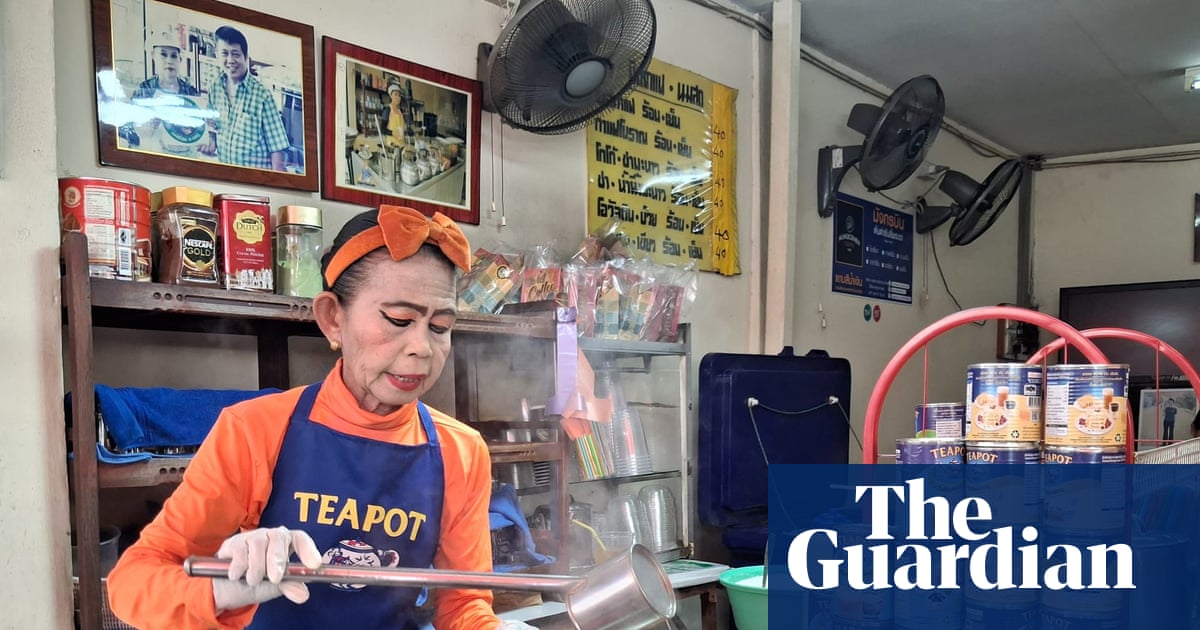
Key Takeaways (TL;DR)
- Thailand's mandatory sugar cut is a major regulatory move targeting beverage reformulation.
- The policy risks being regressive, disproportionately affecting low-income consumers who rely on cheap calories.
- The true impact may just be a shift to unregulated or artificial sweeteners, not a genuine reduction in sugar intake.
- This sets a precedent for how global markets will handle dietary interventions moving forward.
Gallery


Frequently Asked Questions
What is the primary goal of Thailand's move to cut sugar in drinks?
The primary stated goal is to combat the rising rates of non-communicable diseases, particularly diabetes and obesity, within the Thai population through dietary modification.
Are mandatory sugar reductions more effective than a sugar tax?
Economists often argue that a direct sugar tax is more effective because it uses price elasticity to discourage consumption directly, whereas mandatory reduction can lead to substitution with other unhealthy ingredients or migration to unregulated markets.
Who stands to lose the most from this new regulation?
While large beverage companies face reformulation costs, the most vulnerable group are low-income consumers who may face higher prices for regulated drinks or turn to cheaper, unregulated high-sugar alternatives.
What is the current status of Thailand's food policy framework?
Thailand is increasingly utilizing regulatory frameworks, moving beyond simple taxation to mandate changes in product composition, reflecting a more interventionist approach to national health.
Related News

The Doctor Luke Award: Why Honoring Local Heroes Masks a Deep Crisis in Rural Healthcare
The Doctor Luke Award spotlights local heroes, but this East Texas recognition hides a looming **rural healthcare** collapse.

The Hidden Price of 'Miracle' Rehab: Why This Son's Physio Clinic Success is a Warning Sign for Healthcare
Beyond the heartwarming story of recovery lies a stark reality about the privatization of neuro-rehabilitation and the future of accessible healthcare.

The Valentine's Day Health Scam: Why NZ's Heart Check Push Hides a Bigger Crisis
New Zealand's push for heart checks this Valentine's Day masks systemic failures in preventative health and the true cost of cardiovascular disease.

DailyWorld Editorial
AI-Assisted, Human-Reviewed
Reviewed By
DailyWorld Editorial