The Hidden Price of 'Maternal Health': Why Politicians Ignore the Real Crisis in Women's Lives
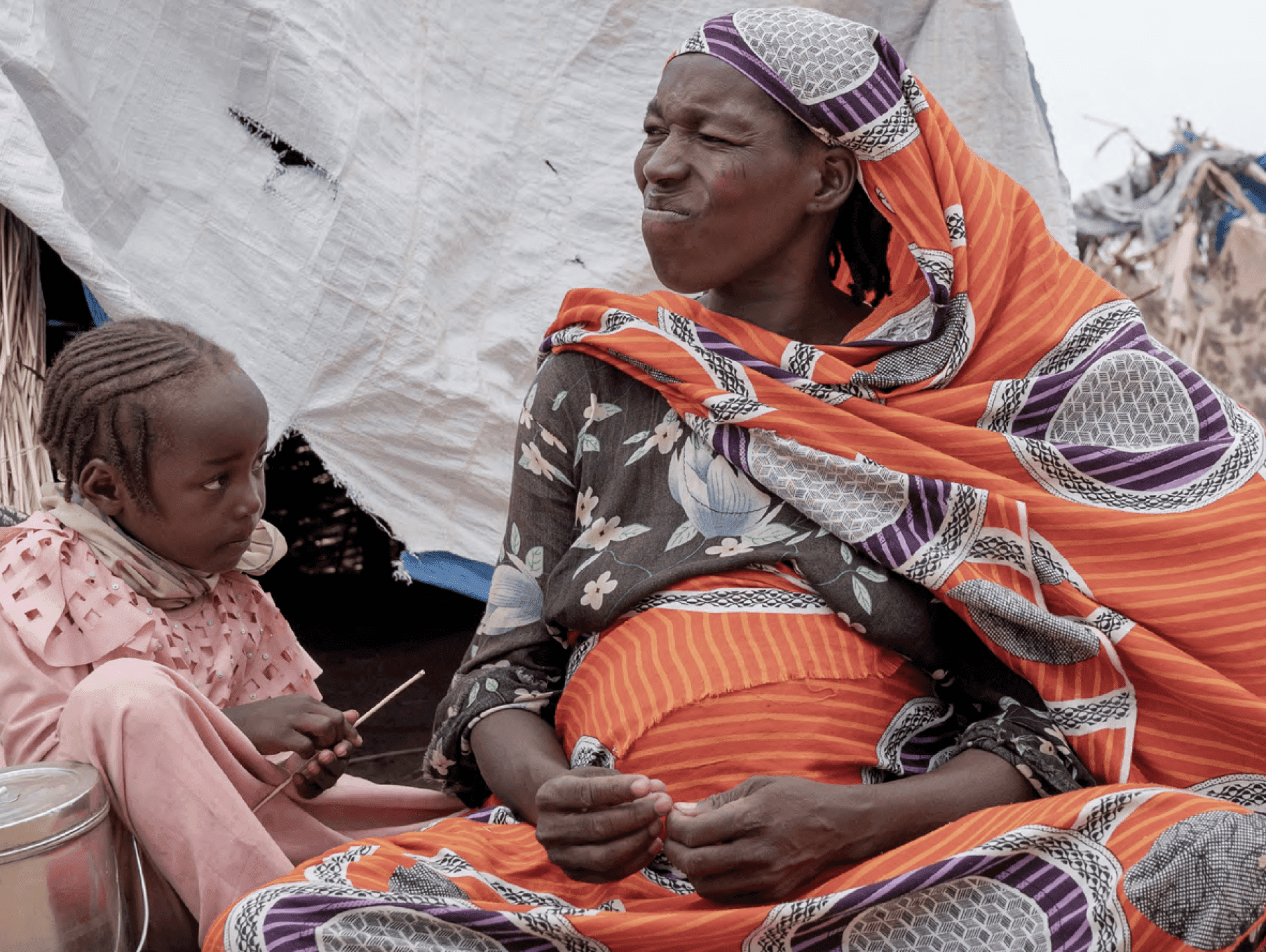
The rallying cry 'No Woman Should Lose Her Life, Giving Life' masks a deeper failure in global maternal health policy and resource allocation.
Key Takeaways
- •Maternal mortality is fundamentally a marker of socioeconomic inequality, not just medical error.
- •Current awareness campaigns often benefit NGOs more than the most vulnerable populations.
- •True solutions require addressing underlying issues like female economic empowerment and education.
- •Expect the gap in outcomes between rich and poor populations to widen significantly in the next decade.
The Unspoken Truth: Maternal Mortality is an Economic Indicator, Not Just a Health Crisis
The sentiment, ‘No Woman Should Lose Her Life, Giving Life’, is emotionally resonant wallpaper for a brutally complex problem. We hear the platitudes, we see the well-intentioned policy pushes, but what is the unspoken truth behind the alarming statistics in maternal health? The truth is that maternal mortality rates are not merely a measure of medical failure; they are a direct, unforgiving indictment of systemic socioeconomic inequality and political neglect.
When we discuss the tragedy of a mother dying during childbirth, the conversation almost always pivots to surgical skill or immediate emergency response. This is a distraction. The real failure happens years, sometimes decades, before the delivery room. It happens in the underfunded rural clinic, the lack of comprehensive preventative care, and the economic structures that keep women impoverished and underserved.
Who Really Wins When We Focus on the Symptom?
The immediate beneficiaries of this highly publicized, emotionally charged campaign are not always the most vulnerable women. The winners are the NGOs that secure massive grants based on shocking statistics, and the political bodies that can claim 'action' through symbolic legislative gestures that fail to address infrastructure or physician retention. We are treating a gaping wound with a band-aid, while the underlying infection—poverty and access disparity—is left to fester.
Consider the geography. High-income nations debate elective C-section rates, while low-income nations struggle for basic sanitation in delivery wards. This massive gulf in necessary healthcare access isn't an accident; it's a structural outcome. We must move beyond the feel-good slogans and confront the hard reality that global health equity requires radical reallocation of resources, not just awareness campaigns.
The Contrarian View: Beyond the Delivery Room
The current focus on the moment of birth misses the preceding 20 years of a woman’s life. Are girls receiving adequate nutrition? Are they educated enough to advocate for themselves? Are they protected from early marriage and forced labor that compromises their bodies before they ever conceive? Analyzing maternal mortality without analyzing female economic empowerment is journalistic malpractice. A woman with economic autonomy seeks care sooner, demands better standards, and has better outcomes. The solution to saving mothers is inextricably linked to the liberation of women economically.
What Happens Next? The Prediction
If current trends persist—where policy is reactive rather than foundational—we will see a bifurcation. Wealthy urban centers will continue to drive down their rates through hyper-specialization and technology. However, rural and marginalized populations will see rates plateau or even slightly increase due to climate instability displacing communities and further straining fragile local health systems. The gap between the 'haves' and the 'have-nots' in maternal outcomes will become a chasm, fueling social unrest far beyond the hospital walls. Healthcare access will become the defining battleground of the next decade.
This isn't just about safe births; it's about the fundamental valuation of female life in society. Until that valuation shifts in budgets and policy, the phrase 'No Woman Should Lose Her Life' will remain a tragic, unfulfilled promise.
Frequently Asked Questions
What is the primary driver of high maternal mortality rates globally?
While immediate obstetric emergencies are the cause of death, the primary driver is systemic failure in healthcare access, including lack of trained personnel, poor infrastructure, and underlying poverty affecting preventative care.
Why is focusing only on childbirth insufficient for improving maternal health?
Focusing only on childbirth ignores the critical preceding factors, such as adolescent nutrition, education levels, and economic stability, all of which heavily influence a woman's ability to sustain a healthy pregnancy and advocate for care.
What is the difference between maternal mortality and morbidity?
Maternal mortality refers to deaths during pregnancy or within 42 days of termination of pregnancy from any cause related to or aggravated by the pregnancy. Maternal morbidity refers to non-fatal health conditions or complications that arise during or after pregnancy.
What high-authority source discusses global health disparities?
The World Health Organization (WHO) provides extensive data and reports on global disparities in maternal health outcomes.
Related News
The Hidden Cost of Diabetes Tech: Why 'Affordable Access' Is a Trojan Horse for Pharma Profit
The unified call for affordable diabetes technology masks a deeper regulatory battle. Who truly benefits from this 'access' push?

The Accreditation Shell Game: Why the Huntsman Mental Health 'Win' is Actually a Red Flag for Future Healthcare Education
The University of Utah's new accreditation isn't just a win; it signals a dangerous corporatization of vital **mental health education** and **healthcare training**.

The Digital Ghost Town: Why New Zealand's Pae Ora Health IT Overhaul Is Failing the Front Lines
The massive Pae Ora health restructure promised digital transformation, yet frontline performance lags. We expose the hidden bureaucratic inertia crushing IT progress.

DailyWorld Editorial
AI-Assisted, Human-Reviewed
Reviewed By
DailyWorld Editorial